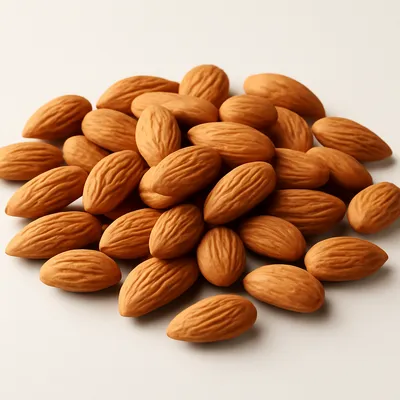
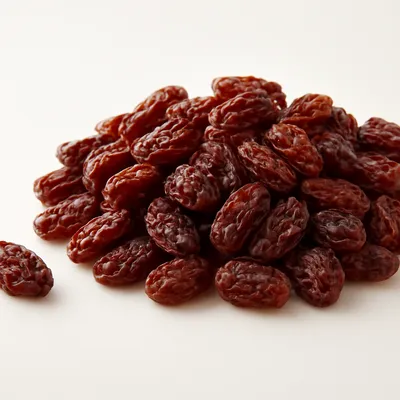
The defining Christmas sweet of Reggio Calabria: shortcrust half-moons enclosing a dark, spiced paste of sun-dried figs, walnuts, almonds, and raisins macerated for days in cooked wine and sweetened coffee with cocoa, cinnamon, and citrus zest. Known by a shifting map of dialect names such as chjinuli, 'nzudde, and fiauni, and recognised as an Italian traditional agri-food product, they were once baked in communal ovens and stored in scented wooden chests through the winter.


Petrali are the great Christmas sweet of the province of Reggio Calabria, listed among Italy's traditional agri-food products. Tradition holds that a parish priest and his housekeeper devised them, and folk etymology reads the name as Pretali, from prete, priest. They are peasant food at heart: figs gathered in summer and sun-dried on cane mats furnished the sweetness through winter, when the filling was macerated for days in cooked wine and sweetened coffee. The dialect name shifts by village, chjinuli and chinuliji around the Ionian coast, fiauni in the Vibonese, chinuliddre near Catanzaro, and the pastries were long kept in prized light-wood chests that served as household larders.
The pastry is crisp and lightly crumbly, barely sweet, a restrained shell for what is inside. The filling is dense, dark, and jammy, layering the caramel of dried figs and cooked wine against the bitterness of cocoa and the resinous warmth of cinnamon and cloves, with walnuts and almonds giving irregular crunch and orange zest cutting through the richness. Each half-moon eats like a concentrated bite of Calabrian winter.
Days of maceration work by osmosis: the sugars and alcohol in cooked wine and sweet coffee draw moisture out of the dried figs and raisins and diffuse in, plumping and softening them while distributing aroma and preserving the mass. A brief simmer then dissolves sugars and evaporates free water, binding the chopped fruit and nuts into a sliceable, jam-like paste. The pastry is a classic pasta frolla, where fat coats flour particles and limits gluten development, so it bakes short and crumbly rather than tough. At about 180 °C the enclosed filling stays moist while the shell sets and lightly browns through Maillard reactions, and the high sugar content of both layers keeps the finished sweets stable for weeks.
Variations
Regional versions swap the binder and flavourings: cooked wine and sweetened coffee in the Reggino heartland, sometimes with cocoa, coffee, or a splash of Marsala. Finishes vary widely, from an egg-yolk wash with coloured sugar sprinkles (diavoletti) to a plain sugar glaze or a coat of dark or white chocolate. Around Pizzo the shell is sometimes made with chickpea flour, and neighbouring regions carry cousins under names like pitteddhe and pastizzott.
On the Palate
Where Petrali sits in the Italian flavor cloud
Ingredients
Serves 10

How it's made
8 steps · 1 hour
- 115 min
Chop the dried figs, walnuts, and almonds coarsely; combine in a large bowl with the raisins.
- 25 min
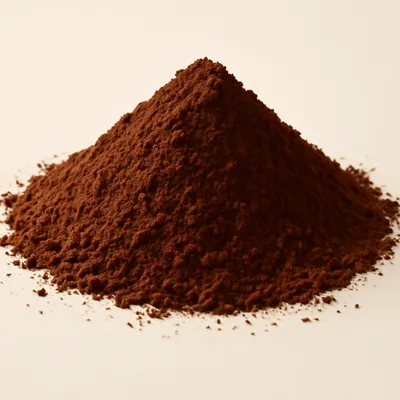
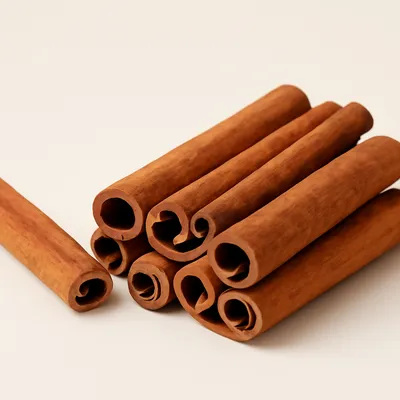
Pour over the cooked wine (and a little sweetened coffee) to moisten, stir in the cocoa, cinnamon, cloves, and grated orange and mandarin zest, cover, and macerate at least 3 days, stirring once a day.
- 310 min
Tip the macerated mixture into a pan and simmer gently about 5 minutes, stirring, until it binds into a thick, jam-like paste; let it cool completely.
Watch outSimmer the macerated fruit just until it binds into a thick, jam-like paste — go too far and it stiffens hard once cold and won't pipe.
- 420 min
Make the pastry: rub the butter into the flour with the sugar, add the eggs and grated lemon zest, and knead just until smooth; wrap and rest 30 minutes.
- 515 min
Roll the dough out thin and cut into discs about 10 cm across, then place a spoonful of filling on each.
- 615 min
Fold each disc into a half-moon over the filling, press out the air, and seal and crimp the edges firmly.
Watch outPress out the air and crimp the edge firmly — any gap and the filling boils out and the seam splits in the oven.
- 725 min
Arrange on lined trays, brush with beaten egg, and bake at 180 °C for 20 to 25 minutes until pale gold.
- 810 min
Cool, then finish as liked, with coloured sugar sprinkles, a sugar glaze, or melted chocolate.
Archive tool suggestions — not reviewed
These legacy suggestions have not been evidence-reviewed and are not presented as required tools.


