Trieste's beloved apple strudel — thin elastic pastry rolled over a floured cloth, packed with sliced apples, pine nuts, crumbled biscuits and raisins, then baked gold and dusted with icing sugar. Alongside it lives 'strucolo in straza': a leavened walnut-raisin roll poached in a knotted cloth for 35 minutes and finished with melted butter, cinnamon and sugar, eaten especially on the Feast of San Martino (11 November).




The strudel family descends from Ottoman baklava, which Sultan Suleiman the Magnificent spread into conquered Hungary after 1526; Hungarian cooks transformed the filling with fresh fruit and raisins through the 17th century. When Hungary joined the Austrian Empire in 1699 and the Austro-Hungarian Ausgleich formalized the dual monarchy in 1867, the pastry tradition spread into the Austrian Littoral — Trieste, Gorizia and the Istrian coast. Local dialect rendered the German 'Strudel' through Slavic intermediaries as 'strucolo', an Istrian-Italian phonetic adaptation. The cloth-poached 'strucolo in straza' is the most distinctively local variant, rooted in the Trieste Carso and the Goriziano, made above all for San Martino.
The baked version offers crisp, shattering pastry giving way to tender, cinnamon-spiced apple and the crunch of pine nuts; the straza version is soft, moist and pudding-like, with the warm nuttiness of walnut and the sweetness of melted butter soaking through each slice.
For the baked strucolo, the resting dough develops gluten that can be stretched paper-thin without tearing. Breadcrumbs in the filling absorb excess apple juice during baking at 200°C, preventing a soggy base. Maillard reactions bronze the egg-washed surface. In the straza version, the cloth holds the roll in a fixed cylindrical shape while moist heat gelatinizes the starch granules in the leavened dough, yielding a tender, sliceable crumb without a crust.
Variations
Baked apple strucolo (strucolo de pomi) is the everyday version; cloth-poached strucolo in straza uses leavened dough with walnut and raisin filling, served with butter-cinnamon-sugar. Cherry, potato, ricotta and poppy-seed fillings also exist across Venezia Giulia. The Austrian Apfelstrudel and South Tyrolean variants use similar thin pastry but are always baked.
On the Palate
Where Strucolo de pomi sits in the Italian flavor cloud
Ingredients
Serves 8


How it's made
7 steps · 40 min active + 20 min waiting
- 110 min
Sift 200 g flour onto a board, make a well, add 1 egg, a pinch of salt, 2 tbsp olive oil and 80 ml warm water; knead 10 minutes until smooth and elastic.
- 230 min
Cover dough with an inverted bowl and rest 30 minutes at room temperature to fully relax the gluten.
Watch outRest the dough a full half hour so the gluten relaxes — skip it and the dough springs back and tears the moment you try to stretch it thin.
- 310 min
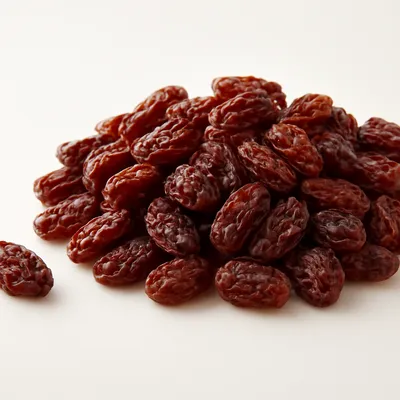
Peel and thinly slice 4 apples; toss with 3 tbsp sugar, 1 tsp cinnamon, 50 g pine nuts, 50 g raisins and 50 g breadcrumbs toasted in butter.
- 410 min
Spread a large floured cloth on the table; roll the dough over it as thin as possible (almost translucent), then stretch gently with the backs of your hands.
Watch outStretch the dough over the cloth until it's almost translucent — you should be able to read print through it; thick patches stay doughy inside the roll.
- 55 min
Scatter the apple filling evenly over the dough, leaving a 3 cm border; fold in the short edges, then roll tightly using the cloth.
- 625 min
Transfer to a lined baking tray, seam-side down; brush generously with melted butter and bake at 200°C for 20–25 minutes until deep golden.
Watch outBrush generously with melted butter and bake to a deep even gold — that butter is what crisps and browns the exposed pastry.
- 75 min
Cool 10 minutes, dust with icing sugar and slice with a serrated knife.
Archive tool suggestions — not reviewed
These legacy suggestions have not been evidence-reviewed and are not presented as required tools.