Daisy-shaped shortbread rings from Torriglia in the Ligurian Apennines, made exceptionally crumbly through the ovis mollis technique of sieving hard-boiled egg yolks into a cold butter dough. Dusted with powdered sugar, these delicate biscuits hold Prodotto Agroalimentare Tradizionale status and are produced by eight certified artisans under the association Il Canestrelletto di Torriglia.


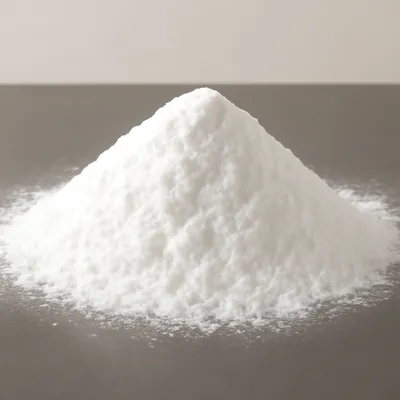


Canestrelli di Torriglia trace their roots to the mountain town of Torriglia in the Ligurian Apennines, where the flower-shaped biscuit is documented from the medieval period. The Genoese Republic's Genovino d'oro gold coin, first struck in the mid-13th century, bore radial biscuit-shaped emblems of the same form, offering indirect evidence of the sweet's deep local presence. Fine wheat flour, butter, and sugar were once luxury items accessible mainly to the well-off, and canestrelli appeared at weddings as symbols of abundance. Today the association Il Canestrelletto di Torriglia oversees eight certified producers to ensure adherence to the traditional recipe, and the biscuit is recognised as a Ligurian PAT (Prodotto Agroalimentare Tradizionale). Each June the town of Torriglia holds its own festival in the biscuit's honour.
Powdery-light snap on the first bite; the crumb dissolves almost instantly into rich, buttery sweetness with a faint vanilla finish. The powdered sugar melds seamlessly into the crumble, making the whole biscuit feel like it evaporates on the tongue.
The ovis mollis technique is the structural key to Canestrelli's exceptional texture. Hard-boiled egg yolks contain virtually no free water—unlike raw yolks—so when sieved fine they disperse as pure fat-and-lecithin particles throughout the dough. With almost no free water present, gluten proteins in the flour cannot hydrate and cross-link, suppressing gluten network formation entirely. Abundant cold butter reinforces this effect by coating flour particles in fat before they can absorb moisture. Baking at 160–170℃ allows the fat to melt and permeate the dough matrix before proteins set, locking in the open, friable crumb structure with zero chewiness.
Variations
Some producers add lemon zest in place of vanilla, or a pinch of cinnamon. Flat, non-ring versions exist in the adjacent Val d'Aveto. Across coastal Liguria, mass-market canestrelli made with raw whole eggs are widely sold, but their dough is firmer and lacks the distinctive crumble of the Torriglia original.
On the Palate
Where Canestrelli di Torriglia sits in the Italian flavor cloud
Ingredients
Serves 8How it's made
7 steps · 30 min active + 1 hour 18 min waiting
- 112 min
Hard-boil 3 eggs for 10 minutes; peel, separate the yolks, and discard the whites.
- 24 min
Press yolks through a fine-mesh sieve into a mixing bowl until they reach a dry, powdery, impalpable consistency.
Watch outSieve the boiled yolks until they're a dry powder — any lump keeps water in and lets gluten form, so the cookie bakes tough instead of melting.
- 35 min
Add cold diced butter, flour, powdered sugar, and vanilla powder; work quickly with fingertips—not palms—until a cohesive dough forms without overworking.
Watch outWork only with fingertips and stop the instant it clumps — palm heat and over-mixing melt the butter and toughen the crumb.
- 460 min
Shape dough into a disc, wrap in cling film, and refrigerate for at least 1 hour to relax and firm.
- 58 min
On a lightly floured surface, roll dough to 8 mm thickness; stamp out daisy-ring shapes using a fluted cutter with a small central hole.
- 618 min
Arrange on parchment-lined trays; bake in a preheated oven at 160℃ for 16–18 minutes until barely golden at the edges.
Watch outPull them the moment the edges barely tint gold — these should stay pale; a browned Canestrelli has lost its signature sandy melt.
- 73 min
Cool completely on the tray without moving; dust generously with powdered sugar before serving.
Archive tool suggestions — not reviewed
These legacy suggestions have not been evidence-reviewed and are not presented as required tools.


