The Adriatic spider crab boiled in bay-scented water, its meat and coral picked by hand, dressed only with extra-virgin olive oil, lemon, and parsley, then piled back into the cleaned shell — the apex of Venetian lagoon antipasto in its studied restraint.


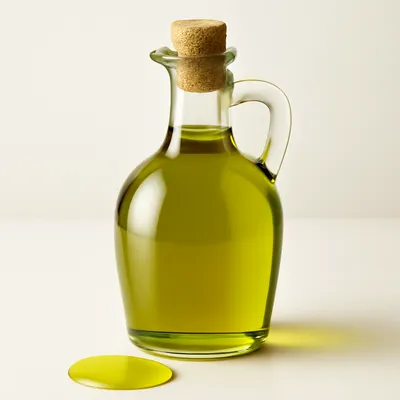
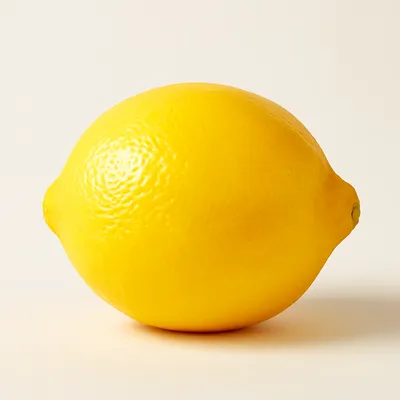


The granseola (Maja squinado), the Mediterranean spider crab, has been harvested from the sandy bottoms of the northern Adriatic since at least the medieval period, when Venice's Rialto fish market handled the region's finest catch. The Venetian dialect name fuses granso (crab) and seola (onion), though no onion appears in the dish — the etymology most likely refers to the crab's rounded, bulbous carapace. By the Renaissance, granseola commanded a prestige on patrician tables comparable to lobster. Two peak seasons define its annual calendar: the spring months, when the shells fill and the roe is at its richest, and the Christmas season, when the granseola di Natale is a fixture on festive tables across the Veneto.
The meat is delicate and subtly sweet with a clean ocean brine; the coral — rich, mineral, faintly iodine — deepens every forkful. Lemon and oil lift the flavour without masking it, and the cold carapace lends the dish an air of unhurried Venetian ceremony.
Boiling at 100°C rapidly denatures the crab's actin and myosin proteins, firming the flesh while the intact shell limits moisture loss. The coral — the gonads and hepatopancreas — is rich in lipids, carotenoids that intensify in orange hue on contact with heat, and free glutamates that deliver its characteristic mineral depth. Dressed at cool room temperature with extra-virgin olive oil and lemon juice, the citric acid cuts through the natural sweetness without further cooking the proteins; the oil coats each strand of meat in a thin emulsion that carries the parsley's fresh chlorophyll notes through the dish.
Variations
A richer version reduces the crab's own cooking broth and folds it with the coral to make a dressing. Some Venetian families add a few drops of cognac or a pinch of cayenne. Folded mayonnaise replaces the straight oil-and-lemon in some trattoria preparations; purists regard this as a corruption of the dish.
On the Palate
Where Granseola alla veneziana sits in the Italian flavor cloud
Ingredients
Serves 4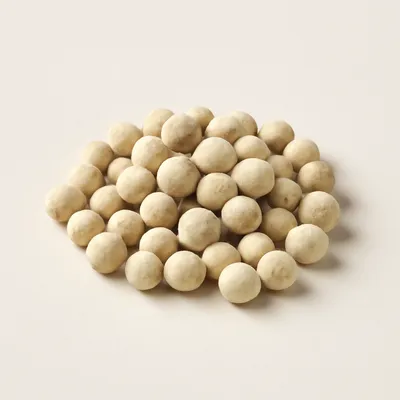
How it's made
8 steps · 20 min
- 110 min
Scrub the granseola under cold running water with a stiff brush, removing all algae and debris from the spiny carapace; wear gloves as the shell's spines are sharp.
- 230 min
Bring a large pot of generously salted water to a rolling boil with 2 bay leaves; submerge the crabs and cook for 25–30 minutes for a 500 g specimen.
Watch outTime the boil to the crab's size — twenty-five to thirty minutes for a 500 g one; overcook and the delicate meat turns cottony.
- 325 min
Remove the crabs from the water, turn upside down to drain, and leave to cool at room temperature for 20–25 minutes.
- 45 min
Insert a strong knife along the seam to pry open the shell; lift off and reserve the top carapace as the serving vessel; remove and discard the grey feathery gills.
- 510 min
Use a skewer and crab pick to extract all meat from the legs and body cavity; collect the coral and any roe into a separate bowl.
- 63 min
Stir a tablespoon of olive oil into the coral to loosen it, then gently fold the coral through the picked crab meat; season with fine sea salt and white pepper.
Watch outLoosen the coral with a spoon of oil first, then fold it through gently — beat it in and you smear the meat into paste.
- 72 min
Dress the crab mixture with the juice of one lemon and 3–4 tablespoons of extra-virgin olive oil; toss lightly and taste for seasoning.
Watch outDress it cool, off any heat — the lemon should brighten the sweetness, not cook the raw picked meat.
- 85 min
Rinse and dry the reserved carapace; fill it with the dressed crab, scatter chopped flat-leaf parsley generously over the top, and serve at cool room temperature.
Archive tool suggestions — not reviewed
These legacy suggestions have not been evidence-reviewed and are not presented as required tools.



