A simple, ancient confection of just two ingredients, sesame seeds and honey, cooked together and set into firm bars or thin slabs. Depending on how far the honey is cooked it ranges from soft and chewy to hard and brittle. Often scented with a strip of lemon or orange peel and sometimes scattered with nuts, it is cut into pieces and eaten as a sweet or an energy snack. Long associated with the islands of the Aegean, it survives as a customary wedding treat in parts of the Cyclades and Dodecanese.

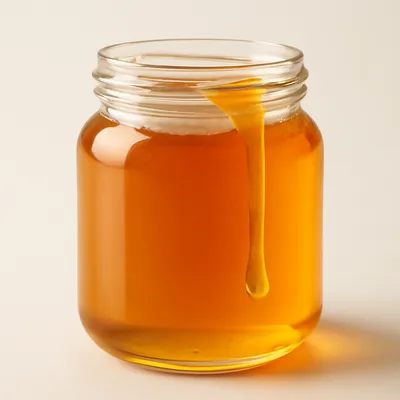

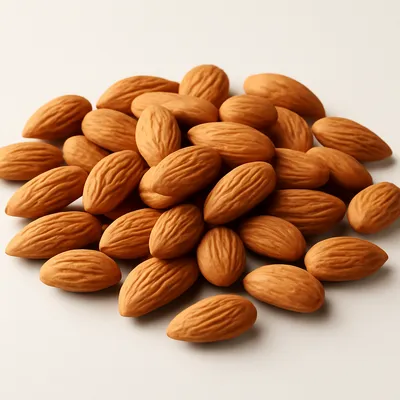
Pasteli is one of the oldest sweets still eaten in Greece. Linear B clay tablets from the Mycenaean world, around the fifteenth century BC, already record both sesame and honey, its only two ingredients. The fifth-century BC historian Herodotus mentions sesame-and-honey confections, and similar sesame sweets recur throughout classical antiquity, where the combination was prized as a portable, energy-dense food. The honey-and-sesame mixture is traditionally said to have been carried by Greek soldiers as battle fare, valued for the sustained energy it gave. On the Aegean islands the custom of serving pasteli at weddings has endured, and it is frequently called the world's first energy bar.
Intensely sesame, with a deep toasted nuttiness and a clean honey sweetness behind it; there is nothing else to hide behind. Texture is the variable: cooked lightly it stays soft and pliant, almost taffy-like and chewy, while cooked longer it sets hard and snaps into shards that crackle and stick a little to the teeth. The sesame gives a faint, pleasant bitterness that keeps the honey from cloying. A strip of citrus peel cooked in lends a bright top note, and any added nuts bring extra crunch.
There are no shortcuts and no leavening; the whole texture is controlled by sugar chemistry. Honey is heated until it reaches the right stage on the candy scale, and the temperature it reaches decides the result: stopped lower, the set is soft and chewy; taken to the hard-crack stage, around 150°C, it cools brittle and glassy. Toasting the sesame first is what builds the flavour, drawing out the oils and deepening the nuttiness. The hot sesame is stirred quickly through the honey, then the mixture is poured onto an oiled surface or parchment and pressed thin while still hot, because it stiffens fast and cannot be shaped once cool. Scoring it before it fully sets makes clean pieces possible.
Variations
The defining variable is the cook of the honey, giving everything from soft chewy bars to hard brittle slabs. Some islands add chopped almonds, walnuts, pistachios, or pine nuts; modern versions sometimes use peanuts. A few cooks replace part of the honey with sugar syrup for a firmer, cheaper set, while purists keep it to honey alone. The Rhodian wedding sweet melekouni is a close cousin, a richer sesame-and-honey bar perfumed with spices such as cloves, cinnamon, and citrus zest, traditionally given to guests at weddings and christenings.
On the Palate
Where Pasteli sits in the Greek flavor cloud
Ingredients
Serves 10How it's made
8 steps · 15 min active + 5 min waiting
- 16 min
Toast 2 cups sesame seeds in a dry pan over medium heat, stirring, until golden and fragrant; set aside.
Watch outToast the sesame until golden and fragrant before it meets the honey — this draws out the oils and builds the nutty flavor; pale seeds taste of nothing.
- 22 min
Warm 1 cup honey in a saucepan with a strip of lemon or orange peel.
- 34 min
Heat the honey gently until it reaches the desired stage (soft for chewy, about 150°C for brittle), watching closely.
Watch outWatch the honey by temperature — stopped low it sets soft and chewy, taken to about 150 degrees it cools brittle and glassy; the stage you pull it decides everything.
- 41 min
Remove the peel, then stir the warm toasted sesame quickly and thoroughly into the honey.
- 51 min
Pour the mixture onto an oiled surface or parchment paper.
- 62 min
Cover with a second sheet and press or roll it flat to an even thickness while still hot.
Watch outPress it flat while still hot — it stiffens as it cools and can no longer be spread thin once it sets.
- 72 min
Score into bars or diamonds before it fully sets, then leave to cool and firm.
- 82 min
Break or cut along the lines and store between layers of parchment.
Archive tool suggestions — not reviewed
These legacy suggestions have not been evidence-reviewed and are not presented as required tools.


