
Cubaita is the Sicilian sesame-and-honey brittle, a hard, glassy confection of toasted sesame seeds — and often whole Avola almonds — bound in caramelised honey and sugar, then poured out and cut into diamonds while still hot. Thin, amber and intensely crunchy, it shatters between the teeth into nutty, honeyed shards. When made with sesame it is also called giuggiulena, the Sicilian word for the seed itself. It is a Christmas and festive sweet, eaten in little pieces at the end of a meal, and one of the clearest survivals of Arab sweet-making on the island.

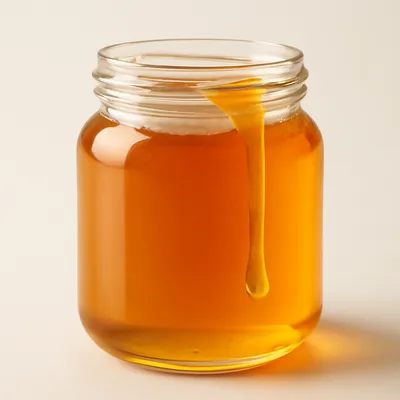

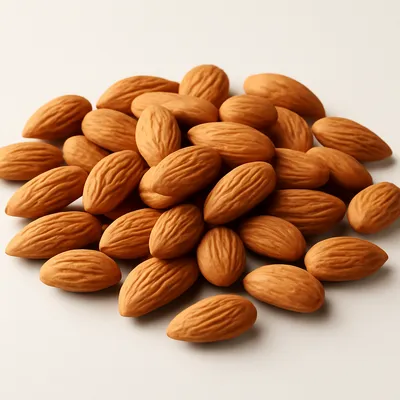

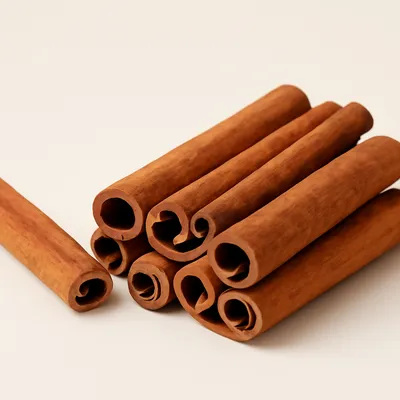
Cubaita goes back to the period of Arab rule in Sicily, between roughly the 9th and 11th centuries, when the Arabs brought to the island both sugar cane and the habit of making confections from honey, nuts and seeds. Its name comes from the Arabic qubbayt (also written qubbiat), a sweet of nuts and honey; the alternative name giuggiulena comes from another Arabic word, juljulān, meaning sesame, which the Arabs likewise introduced. A nineteenth-century Sicilian dictionary already records cubaita made both with nuts or almonds and with sesame, the two strands that survive today. It is closely related to the petrafennula and is a cousin of mainland torrone, but it is its own Sicilian thing — flat, brittle and sesame-led. The Italian agriculture ministry lists it among Sicily's traditional regional food products (PAT). Eaten above all at Christmas, it is also common across much of Calabria.
Hard and glassy, it cracks sharply when you bite and then crumbles into crisp, seedy fragments that cling to the teeth. The flavour is layered: toasted sesame gives a warm, nutty, almost savoury depth, the honey and caramel a dark, faintly bitter sweetness, and the almonds, if present, a firm crunch and richness. A little citrus zest or cinnamon lifts the whole thing and keeps it from cloying. It is sticky, sweet and very crunchy all at once, and a small diamond is enough.
Cubaita is a sugar-and-honey brittle, and it works by caramelisation and the way sugar sets glassy as it cools. The honey and sugar are cooked together until they melt, darken to amber and reach the hard-crack stage at roughly 150 to 155°C, where almost all the water has boiled off; the heat both caramelises the sugars and drives Maillard browning, building the deep, slightly bitter colour and flavour. The sesame seeds are toasted first, which develops their aroma and draws out their nutty oils, and are stirred in along with any almonds so the hot syrup coats and binds them. The mass is poured straight onto an oiled marble slab or lemon-rubbed surface and pressed thin, then scored and cut into diamonds while it is still hot and pliable — once it cools the sugar locks into a hard, amorphous, glass-like solid that cannot be cut without shattering. A short rest lets it harden fully. Keeping it dry afterwards matters, because the sugar is hygroscopic and will turn sticky in damp air.
Variations
The two main forms are the sesame one (giuggiulena) and the nut one, made with almonds or sometimes walnuts; many versions combine both, sesame coating a body of almonds. Avola almonds and Sicilian honey are the prized ingredients. Flavourings vary by household and town — grated lemon or orange zest, a little cinnamon, occasionally a few pistachios. It can be spread very thin and brittle or left thicker and more torrone-like, and is cut into diamonds or rectangles, sometimes scattered with colored sprinkles and individually wrapped. It is close kin to the petrafennula and to giuggiulena recipes across Calabria, and the proportions of honey to sugar shift the texture from soft and chewy toward hard and snapping.
On the Palate
Where Cubaita sits in the Italian flavor cloud
Ingredients
Serves 10How it's made
7 steps · 30 min active + 10 min waiting
- 16 min
Toast the sesame seeds in a dry pan over low to medium heat, stirring constantly, until fragrant and lightly golden. Tip out and set aside. Toast the almonds the same way if using, and chop coarsely or leave whole.
Watch outToast the sesame over low heat, stirring constantly, just to fragrant and lightly golden — it develops the nutty oils, but a moment too long and burnt seeds turn the whole brittle bitter.
- 24 min
Put the honey and sugar in a heavy-bottomed pan and warm over low heat, stirring, until the sugar fully dissolves and the mixture turns liquid and amber.
- 38 min
Continue cooking, stirring, until the syrup deepens in colour and reaches the hard-crack stage, about 150 to 155°C — a drop in cold water should set hard and brittle.
Watch outCook the honey and sugar to 150 to 155 degrees, hard-crack — a drop in cold water should set hard and brittle; under-cook it and the brittle stays sticky and won't snap.
- 42 min
Take off the heat and quickly stir in the toasted sesame seeds, the almonds and a little grated citrus zest, mixing fast so everything is evenly coated before the caramel stiffens.
- 53 min
Pour the hot mixture out onto an oiled marble slab or a sheet of oiled parchment, and press or roll it flat to about half a centimetre thick, using an oiled spatula or a lemon half.
- 63 min
While it is still hot and pliable, score and cut it into diamonds or rectangles with an oiled knife.
- 710 min
Leave the cubaita to cool and set hard, then separate the pieces. Store airtight in a dry place, and serve in small pieces at the end of a meal.
Archive tool suggestions — not reviewed
These legacy suggestions have not been evidence-reviewed and are not presented as required tools.


