
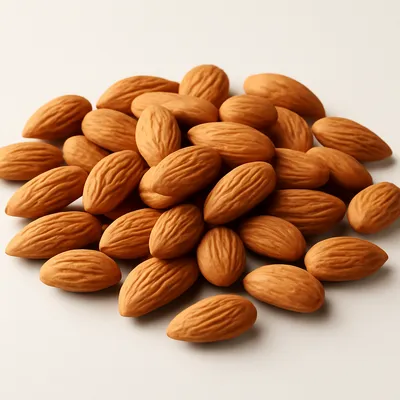
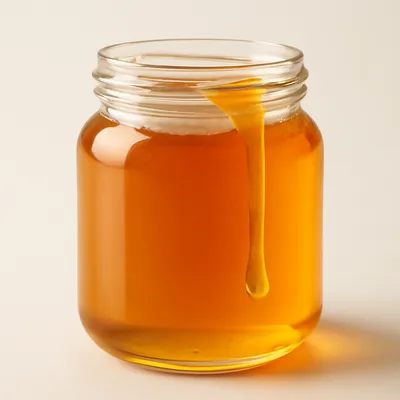
A soft, oily nougat from the town of Jijona (Xixona) in the province of Alicante, made by grinding roasted almonds to a paste and cooking them with honey, sugar, and egg white. The mixture is worked at length until the almond oil is released and the paste turns smooth and malleable, then pressed and cooled into a dense, beige tablet. It is far softer and more crumbly than its sibling Turrón de Alicante, which sets hard around whole almonds. It is a fixture of the Spanish Christmas table and is protected as Turrón de Jijona under a Protected Geographical Indication (PGI).


Turrón is documented in Spain from the 16th century: a recipe of honey and egg whites cooked until brittle appears in the period handbook Manual de Mujeres. Jijona, in the mountains inland of Alicante, became the centre of the soft, ground style and gives it its name. The two Valencian nougats, the soft Turrón de Jijona and the hard Turrón de Alicante, hold Protected Geographical Indication status. An often-repeated claim ties turrón's origins to Moorish Spain, but this is not securely documented and the first firm records are the 16th-century recipes.
A smooth, dense, oily paste the colour of toasted almond, soft enough to cut with a spoon and faintly grainy on the tongue. It is sweet and deeply nutty, rich with released almond oil, the honey rounding rather than sharpening the flavour. It coats the mouth and is eaten in small squares; too much and the oiliness becomes heavy. Served at room temperature so the paste stays soft.
The soft texture comes from grinding and prolonged working, which break the almond cells and release their oil into the sugar-and-honey mass, turning a firm nougat into a smooth, spreadable paste. The honey and sugar are cooked together first; egg white, whipped in, lightens and binds the syrup. Traditionally the ground paste is then worked for hours in a heated trough called a boixet so the oil disperses evenly and the texture becomes uniform. Soft Jijona contains a very high proportion of almonds, around 64 percent, which is what makes it so rich and oily.
Variations
Its hard sibling, Turrón de Alicante, sets brittle around whole roasted almonds rather than ground ones. Beyond the two protected styles, modern producers make turrón blando flavoured with chocolate, candied fruit, or coconut, and yema tostada (toasted-egg-yolk) bars. The genuine soft article is graded by its high almond content under the Jijona designation.
On the Palate
Where Turrón de Jijona sits in the Spanish flavor cloud
Ingredients
Serves 12How it's made
7 steps · 30 min
- 120 min
Toast 500 g peeled almonds until fragrant and golden, then grind them to a fine, oily paste.
Watch outGrind the toasted almonds to a fine, oily paste — releasing the nut oil is what turns a firm nougat into a smooth, spreadable one.
- 215 min
Heat 250 g honey gently in a heavy pan, then stir in 150 g sugar and cook to a thick syrup.
- 310 min
Whip an egg white to soft peaks and beat it into the warm honey syrup off direct heat.
- 45 min
Stir the ground almond paste into the syrup and return to low heat.
- 540 min
Work the mixture continuously over low heat for a long time, 30 to 45 minutes, until the oil releases and the paste is smooth and uniform.
Watch outWork it continuously over low heat 30-45 minutes until the oil releases and it's uniform — that long working is what makes it soft and smooth.
- 610 min
Press the warm paste into a paper-lined mould, level the top, and weight it down.
- 7720 min
Leave to set and cool for several hours, then cut into bars or squares to serve.
Archive tool suggestions — not reviewed
These legacy suggestions have not been evidence-reviewed and are not presented as required tools.


