
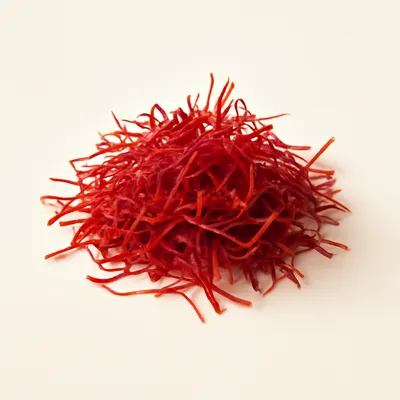
A Canary Islands one-pot of chickpeas with shredded beef and chicken, bound in a tomato-and-white-wine sofrito with fried potato. The two meats and the soaked-and-simmered chickpeas are the defining feature, plus paprika, garlic, saffron and thyme. Traditionally a leftovers dish built from the meat and chickpeas of a previous puchero (boiled dinner), it is eaten as a hearty weekend main, often with fried potato cubes folded through.
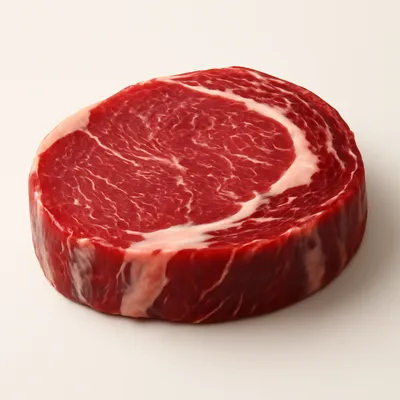
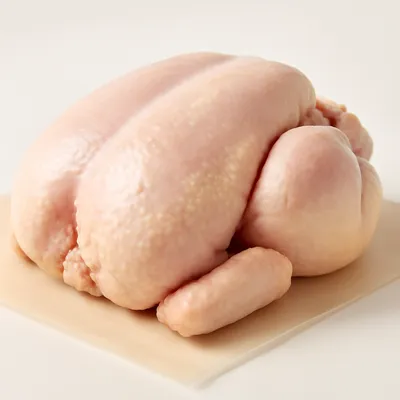
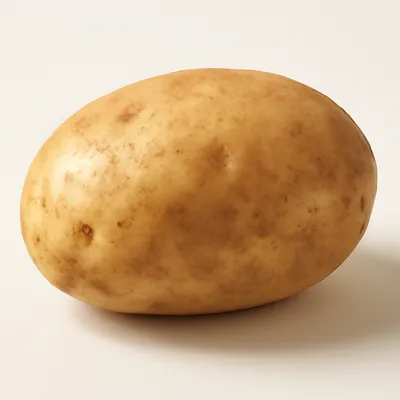



A traditional dish of the Canary Islands, where it is widely regarded as the home of the recipe; the name ropa vieja, literally "old clothes," refers to the rags-like look of the shredded meat. It belongs to the Spanish tradition of aprovechamiento, using the meat and chickpeas left from a puchero or cocido rather than cooking them fresh. Carried across the Atlantic by Canarian emigrants, it took root in Cuba and elsewhere in the Americas, which is why a Cuban namesake exists. The Cuban version, however, is shredded beef braised in a tomato sauce with no chickpeas; the Canarian dish is distinguished by the chickpeas and the use of two meats, beef and chicken together.
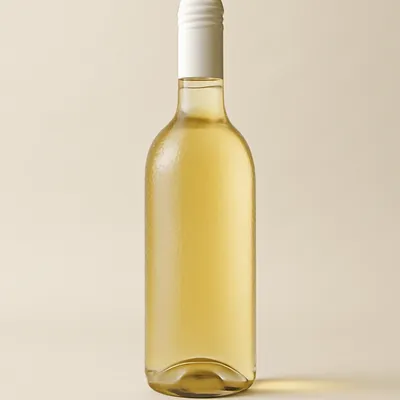
Forkfuls of soft, frayed beef and chicken tangled with whole chickpeas that break creamy in the mouth, all coated in a thick, brick-red tomato sauce. Fried potato cubes add a soft starch, and the paprika-saffron base carries a warm, savoury depth with a faint sweetness from the wine. Served hot in a deep bowl; the meat should pull apart, never chew like a stew chunk.
The meats are simmered until tender, then shredded by hand or fork so they fray into strands that soak up sauce; the chickpeas, soaked overnight, are cooked separately until creamy and starchy. The flavour base is a sofrito — onion, pepper and tomato slow-sweated in olive oil until jammy — into which garlic, paprika and a little saffron are bloomed, the warm oil releasing the paprika's colour and the saffron's aroma. Everything is then folded together over low heat so the shredded meat and chickpeas absorb the sauce, with the fried potato added near the end to keep it intact.
Variations
Some households use only pork, or pork and chicken, in place of beef; saffron is sometimes omitted in leaner versions. Garbanzos may be swapped for the meat-and-chickpea leftovers of a Sunday puchero, the dish's original purpose. It is not to be confused with the Cuban ropa vieja, which is shredded beef in tomato without chickpeas, nor with the pan-Spanish ropa vieja made simply from reheated cocido scraps.
On the Palate
Where Ropa Vieja Canaria sits in the Spanish flavor cloud
Ingredients
Serves 4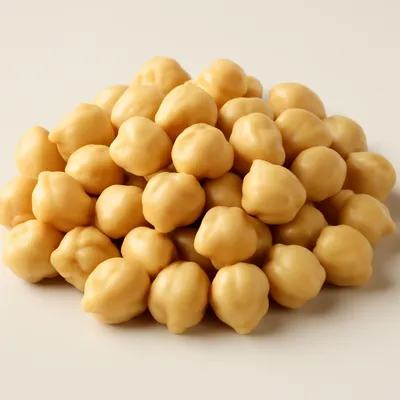

How it's made
8 steps · 30 min
- 1480 min
Soak the chickpeas in plenty of cold water overnight.
- 290 min
Simmer the beef and chicken in lightly salted water until fully tender, about 1.5 hours; reserve some broth.
- 345 min
Cook the soaked chickpeas in fresh water until creamy and soft, then drain.
- 415 min
Shred the cooled beef and chicken by hand into thin strands, discarding bone and gristle.
Watch outShred the cooled meats by hand into thin strands — frayed strands soak up the sauce far better than knife-cut chunks.
- 520 min
Make a sofrito: slowly sweat chopped onion, pepper and tomato in olive oil until soft and jammy.
Watch outSweat the sofrito slowly until soft and jammy — rushing it leaves a raw, sharp base instead of the sweet, deep foundation.
- 63 min
Add crushed garlic, paprika and saffron and stir briefly in the warm oil to bloom.
Watch outBloom the paprika and saffron briefly in the warm oil — the warm fat releases the color and aroma; scorched, it turns bitter.
- 715 min
Fold in the shredded meats and chickpeas, splash in white wine and a little broth, and simmer to bind.
- 815 min
Fry the diced potato until golden, fold through at the end, season, and rest a few minutes before serving.
Archive tool suggestions — not reviewed
These legacy suggestions have not been evidence-reviewed and are not presented as required tools.


