Almond paste cooked with sugar syrup, egg yolk, lemon zest and cinnamon to a thick honey-coloured cream — served on toasted bread, alongside ice cream, or spooned over sponge cake.
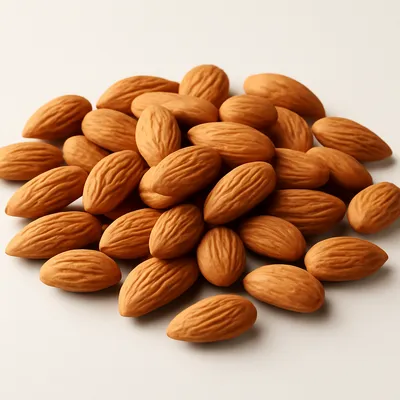


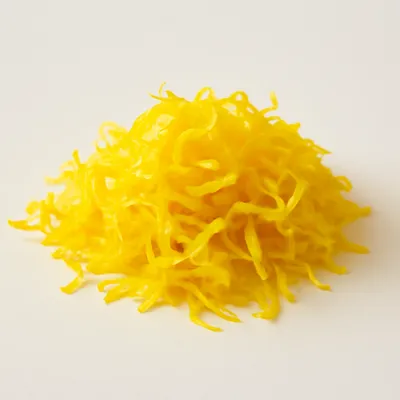


Bienmesabe Canario — bien me sabe, it tastes good to me — is a convent dessert from the 18th century, tracing back to the Moorish (al-Andalus) tradition of honey-and-almond sweets and refined in Spanish convents; it was brought to the Canaries by Spanish settlers and adopted into the islands' cuisine using the local almond crop (the artisanal tradition is strongest on La Palma and around Tejeda, Gran Canaria). It belongs to the wider Spanish tradition of conventual sweets (dulces de convento) born from monastic dietary rules: heavy on egg yolks (a by-product of clarifying wine with whites), almonds, and sugar from Spanish-Atlantic plantations. Distinct from the savoury Andalusian bienmesabe of Cadiz, which refers to a fried marinated dogfish dish (cazon en adobo).
Tegueste convent dessert (Tenerife, 18th century) — almond preserve bound by a 110°C sugar syrup and tempered yolks. Convent yolks were waste from clarifying wine with whites; below 100°C the cream stays loose, above 110°C the syrup crystallizes into sand.
A pale honey-gold cream the texture of thick custard, holding a spoon-shape briefly before slumping. The first taste is almond — toasted, almost marzipan-deep — then sugar, then a back-edge of lemon zest and cinnamon. It is intensely sweet by modern standards (it was designed for a convent kitchen, not a coffee bar). A teaspoon goes a long way: spread thin on toast, or used as the soaking layer in a layered sponge dessert. Grainy texture means the egg yolks scrambled.
The dessert is a sugar-syrup-bound almond paste enriched and thickened with egg yolk. The syrup at 110°C (soft thread, ~30% water) is what determines final texture — too low and the bienmesabe never sets, too high and it crystallizes after cooling. Egg yolks are added off-boil because they coagulate around 70°C and curdle at 82°C; the tempering step gradually warms them so they enter the pan already at simmer temperature, avoiding shock-scramble. Skin formation on cooling is normal — press cling film to prevent it.
Variations
Tenerife original from Tegueste; La Palma version adds rum (gomera-style); some Gran Canaria bakeries serve it as a layer in bizcochón sponge cake; Antequera's bienmesabe is itself an almond convent sweet, while the Cadiz bienmesabe is the fried marinated dogfish — same name, opposite plate.
On the Palate
Where Bienmesabe Canario sits in the Spanish flavor cloud
Ingredients
Serves 6
How it's made
6 steps · 35 min active + 25 min waiting
- 110 min
Blanch 250g raw almonds 1 minute, drain, slip skins off. Toast in a dry pan over medium heat 5-6 minutes until pale gold and fragrant — don't darken or the bienmesabe turns bitter.
Watch outStop while almonds are barely coloured — they continue cooking off-heat.
- 25 min
Grind toasted almonds in a food processor with 50ml water until they form a thick paste — about 2 minutes, stopping to scrape. Set aside. Traditionally pounded in a stone mortar.
- 38 min
Make sugar syrup: combine 250g sugar and 150ml water in a saucepan. Heat to 110°C (soft-thread stage) — about 8 minutes. The syrup will be clear and form a thread when lifted on a spoon.
Watch outUse a thermometer or watch for the thread test — over 115°C the syrup crystallizes when added later.
- 46 min
Reduce heat to low. Stir the almond paste into the hot syrup along with the zest of 1 lemon and 1 cinnamon stick (or 1/2 tsp ground cinnamon). Cook 5 minutes stirring constantly — mixture thickens to porridge.
- 55 min
Whisk 4 egg yolks in a small bowl. Temper by stirring in 3 tbsp of the hot almond mixture, then pour the warmed yolks back into the pan. Cook on lowest heat, stirring constantly, 4-5 minutes until the bienmesabe coats a spoon thickly. Do not boil.
Watch outAbove 82°C the yolks scramble. If you see specks of egg, you went too hot.
- 61 min
Remove cinnamon stick. Pour into a jar or bowl, press cling film directly on the surface to prevent skinning, cool to room temperature. Serve at room temperature on toasted bread, with vanilla ice cream, or as a soaking syrup over sponge cake.
Archive tool suggestions — not reviewed
These legacy suggestions have not been evidence-reviewed and are not presented as required tools.