




Tarta de Santiago is the cake of pilgrims arriving at Santiago de Compostela. First documented in 1577 in a manuscript by Pedro de Portocarrero, who recorded an "almond cake" during a visitation of the University of Santiago, refined through 19th-century pastelerías in the cathedral's old town. The powdered-sugar Cross of Saint James stencil — the sword-cross of the Order of Santiago — was introduced in 1924 by José Mora Soto, founder of Casa Mora in Compostela's old town, and became the cake's defining mark and now defines the IGP (Protected Geographical Indication). Authentic versions must use minimum 33% Spanish-grown almonds.
First documented in 1577 convent records of Santiago de Compostela. The IGP requires minimum 33% Spanish-grown almonds; the Cross of Saint James stencil became the official mark in 1924. No flour means structure rides entirely on egg foam at the ribbon stage.
Cuts cleanly into wedges with a damp, dense crumb the colour of wet sand, perfumed with lemon-and-cinnamon, sweet but not cloying. Each forkful is mostly almond — texture closer to marzipan than sponge — and the powdered-sugar cross on top dissolves on the tongue first. If yours is dry it baked too long; if it's gummy at the centre, the egg foam wasn't aerated enough.
No flour means no gluten, so structure is entirely from the egg foam — that's why whipping the eggs to the ribbon stage matters more here than in any flour-based cake. The almond's fat sits inside the foam like a coffee-cake crumb, and the cake stays moist for days because almond oil doesn't stale the way wheat starch does. Lemon zest is structural too: its citric acid sets the egg proteins faster, giving a tighter crumb.
Variations
Casa Mora in Santiago's old town runs the IGP-certified version; Pastelería Compostelana goes denser; home cooks in Lugo often add a splash of orujo to the batter.
On the Palate
Where Tarta de Santiago sits in the Spanish flavor cloud
Ingredients
Serves 8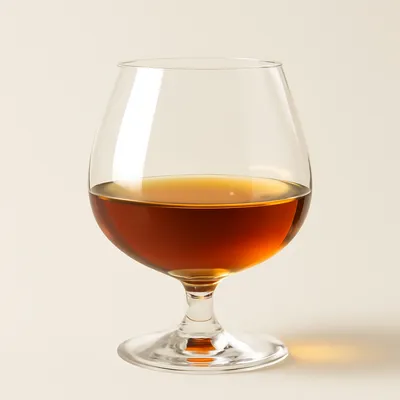
How it's made
5 steps · 25 min active + 1 hour 5 min waiting
- 18 min
Heat oven to 175°C. Butter and flour a 24cm round cake tin. In a large bowl whisk 5 large eggs with 250g caster sugar 4 minutes until pale and ribbon-thick.
Watch outUnderwhipped eggs give a flat dense cake — keep whisking until the trail holds 3 seconds.
- 24 min
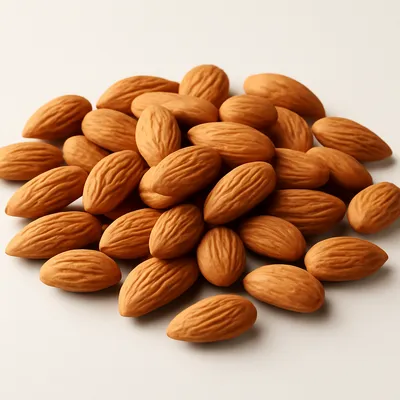
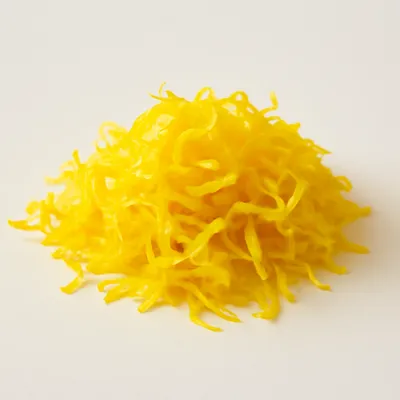
Fold in 250g finely ground blanched almonds (almond flour, not meal — coarse meal makes the cake gritty), the zest of 1 lemon, 1 tsp ground cinnamon and 1 tbsp sweet almond liqueur or brandy. Stir until just homogeneous.
Watch outDon't overwork — almond flour has no gluten but air will collapse.
- 335 min
Pour into the tin, smooth the top, and bake 30-35 minutes until the top is golden and a skewer comes out with a few moist crumbs. The centre should still tremble very slightly when nudged.
Watch outOvens vary — start checking at 28 minutes, the cake dries out fast past doneness.
- 460 min
Cool fully in the tin, 1 hour. Almond cakes firm and improve as they cool — slicing warm gives a crumbly mess.
- 53 min
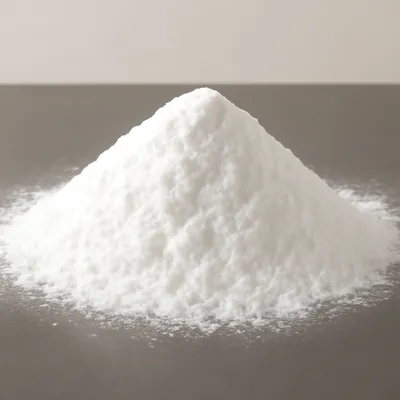
Lay a paper stencil of the Cross of Saint James (Cruz de Santiago, the sword-shaped cross) on the cake top. Sift powdered sugar generously over it. Lift the stencil straight up — the cross stays printed in white.
Watch outLift the stencil vertical, no sliding — any drag smudges the cross edge.
Archive tool suggestions — not reviewed
These legacy suggestions have not been evidence-reviewed and are not presented as required tools.


