
A baked set custard-cake from the Pas valleys in central Cantabria. Fresh curdled cow's-milk curd, well drained, is beaten with sugar, butter, flour, and eggs, scented with lemon zest and cinnamon, and baked until the top browns and the centre sets soft. It bakes shallow in a tray, is cut into squares, and eaten cold or barely warm. Despite the name, the modern version contains no aged cheese, only fresh curd or its substitutes.





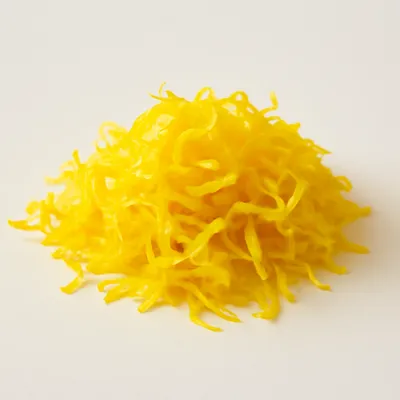
The dish belongs to the dairy-rich Pas valleys, chiefly the villages of Vega de Pas, Selaya, and Villacarriedo, whose green pastures and cattle supplied the milk and butter at its heart. The word quesada appears far earlier in Spanish letters — in the Archpriest of Hita's Libro de Buen Amor of 1330 and in Ruperto de Nola's 1529 cookbook — though those references point to curd-based sweets generally rather than this exact Cantabrian form. It was traditionally made from leftover curdled milk and baked in wood-fired ovens.
The crust is deep golden, almost mahogany at the edges, with a faint caramel bitterness; underneath, the body is dense, moist, and yielding rather than spongy, somewhere between a cheesecake and a baked custard. Lemon zest cuts the richness and cinnamon warms it. Served cold it firms up and slices clean; barely warm it is softer and more fragrant. Not very sweet — the dairy carries the flavour.
Setting depends on egg and drained curd, not on flour as a cake would. The proteins in the fresh curd and beaten eggs coagulate in the oven's heat and lock the moisture into a tender, sliceable set, while the small amount of flour only steadies the structure. Draining the curd well first is essential — too much whey leaves the centre wet and weeping. The browned top is Maillard reaction between milk sugars and proteins, which is why a hotter finish deepens both colour and the caramel note.
Variations
Where fresh pasiego curd is hard to source, cooks substitute well-drained quark, fromage frais, or ricotta. Some households brown butter first for a nuttier base; others lean heavier on cinnamon or add a splash of anise. It sits beside the region's other Pas-valley sweet, the sobao pasiego, and is sometimes confused abroad with the unrelated Basque burnt cheesecake, which uses aged cheese and bakes far hotter.
On the Palate
Where Quesada Pasiega sits in the Spanish flavor cloud
The set comes from egg and well-drained curd, not flour, so drain the curd hard first — leftover whey leaves the centre wet and weeping; you want the top deep-golden and the middle just set with a faint wobble, no more.
Ingredients
Serves 8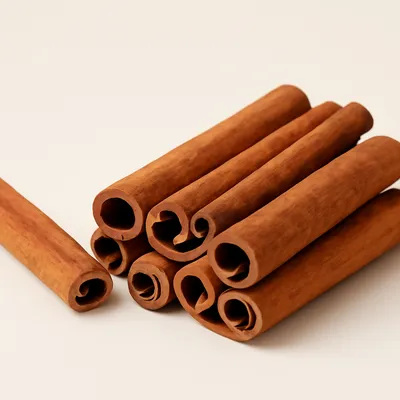
How it's made
6 steps · 20 min
- 110 min
Drain fresh curdled cow's-milk curd well to shed the whey, or use well-drained quark in its place.
Watch outDrain until the curd stops dripping and holds together — a dry curd is what lets the centre set clean.
- 25 min
Beat the curd with sugar and softened butter until smooth, then beat in the eggs one at a time.
- 33 min
Fold in the flour, the grated lemon zest, and the ground cinnamon to a loose, pourable batter.
- 42 min
Pour into a buttered shallow tray so the batter sits no more than a few centimetres deep.
- 545 min
Bake at 180°C for about 45 minutes until the top is deep golden and the centre is just set with a slight wobble.
Watch outIt is done when the top is deep golden and the centre only trembles slightly when you nudge the tray — it firms as it cools.
- 610 min
Cool completely, then cut into squares and serve cold or barely warm.
Archive tool suggestions — not reviewed
These legacy suggestions have not been evidence-reviewed and are not presented as required tools.


