
Strazzate are the hard, craggy almond biscuits of Matera, a Christmas and festive sweet of Basilicata. They are built mostly on toasted almonds bound with sugar, cocoa and only a little flour, scented with cinnamon and lemon and, in many households, a splash of liqueur. Rough lumps of the dough are baked until they crack and split, giving the torn, ragged look the dialect name describes. They keep for weeks, dry and dense, and are eaten with coffee or a glass of sweet wine.
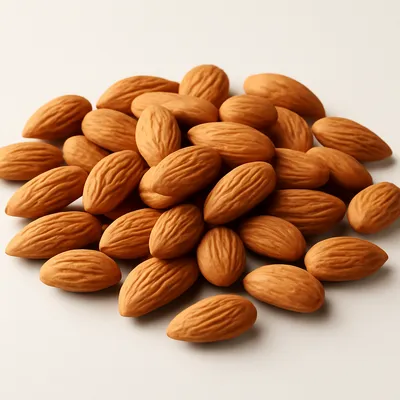




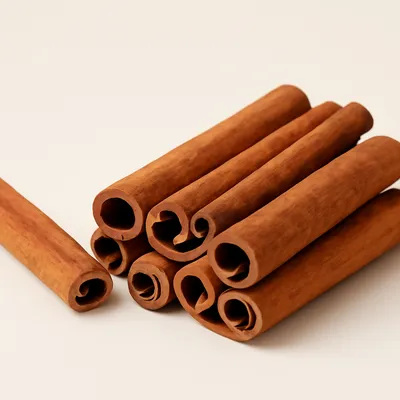
Strazzate belong to the sweet tradition of Matera and the wider Lucanian cucina povera, a class of dry, keeping biscuits made for Christmas and feast days from the almonds that grow across the Murgia. The name is dialect: it is generally read as «torn» or «ragged», after the cracked, irregular surface the biscuits take on in the oven. Like much of southern Italy's festive baking they are a thrifty sweet — a large quantity of almonds and sugar carried by very little flour — and were traditionally made in batches at Christmas to be offered to guests through the holidays. A splash of Strega, the herbal liqueur of nearby Benevento, is a common addition, though by no means universal.
Hard, dry and dense, a strazzata has to be bitten through with intent — there is almost no give, then it gives all at once into a coarse, gravelly crumb full of almond pieces. The flavour is bittersweet: roasted almond first, then the faint bitterness of cocoa and a warm note of cinnamon, with the liqueur, if present, surfacing as a herbal edge in the finish. The split top is matt and rocky; the inside is close-grained and barely risen. It is a biscuit made for dipping, softening at the edge in coffee or wine.
Strazzate get their character from a very high ratio of almonds and sugar to flour, and from an old-fashioned leavener. Ground almonds bring fat and no gluten, so there is little structure to trap gas or hold a smooth shape; the stiff, sticky paste is simply torn into lumps that spread and crack as they set. The traditional raising agent is baker's ammonia (ammonium bicarbonate), which on heating decomposes completely into gas — carbon dioxide, ammonia and water vapour — leaving no residual salt behind. In a thin, low-moisture biscuit that gas escapes readily and the ammonia bakes off entirely, producing the dry, brittle, open crunch that ammonium bicarbonate gives flat hard biscuits far better than baking soda would. The cracked «torn» top is the crust setting and splitting as the lump dries and the interior pushes outward.
Variations
Recipes differ from kitchen to kitchen and town to town. Some keep the dough pale, leaving out the cocoa for a plain toasted-almond biscuit; others lean darker and more chocolatey, or fold in candied peel. The Matera versions tend to use the least flour, the biscuit held together almost entirely by almonds; inland Lucanian versions may carry a little more flour and so bake slightly less craggy. The liqueur is a variable — Strega is traditional, but some use anice or simply leave it out — and the spicing ranges from cinnamon alone to a mix with nutmeg and lemon or orange zest.
On the Palate
Where Strazzate sits in the Italian flavor cloud
Ingredients
Serves 8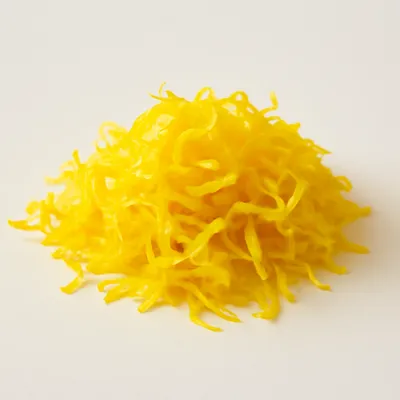
How it's made
6 steps · 25 min
- 112 min
Toast about 250 g of whole almonds until fragrant, let them cool, then chop coarsely — leave some in big pieces for texture.
- 28 min
In a bowl combine the almonds with 150 g sugar, 80 g flour, 2 tablespoons cocoa, a teaspoon of cinnamon, grated lemon zest and a pinch of baker's ammonia (ammonium bicarbonate) dissolved in a splash of warm liqueur or milk.
- 35 min
Add a beaten egg (and a little more liquid if needed) and work to a stiff, sticky paste that just holds together.
Watch outWork it to a stiff, sticky paste that just holds together — with almonds and no gluten there's no structure, so if it's loose the biscuits spread and vanish.
- 48 min
Tear off rough walnut-sized lumps, set them well apart on a lined tray and, if you like, press a whole almond onto each.
- 523 min
Bake at 170°C for about 20 to 25 minutes, until the tops have cracked and split and the biscuits are firm and dry; they harden further as they cool.
Watch outBake until the tops have cracked and split and the biscuits are firm — they harden more as they cool, so pull them dry rather than soft.
- 630 min
Cool completely on a rack and store airtight; they keep for several weeks and are best with coffee or sweet wine.
Archive tool suggestions — not reviewed
These legacy suggestions have not been evidence-reviewed and are not presented as required tools.


