




Scrippelle 'mbusse (Teramese dialect: 'soaked scrippelle') is a Teramo classic, attributed by legend to an early-19th-century Teramese sous-chef named Enrico Castorani, cooking for the French officers occupying the area who was preparing scrippelle meant as a bread substitute for French officers stationed in Teramo during the French occupation of the Kingdom of Naples, when a tray of them fell into hot broth — and rather than waste the food he served them in the broth anyway — and the diners loved it. The dish is now the regional first course for Christmas, weddings, and special meals. The crepes themselves (scrippelle) are paper-thin egg pancakes — far thinner than French crêpes and more delicate — fried in lard or butter on a hot pan. Once filled with cheese, rolled, and drowned in broth, they become a hybrid first course: half-soup, half-pasta. Different from Marchigian crespelle (which are baked); this Teramese version is served in broth.
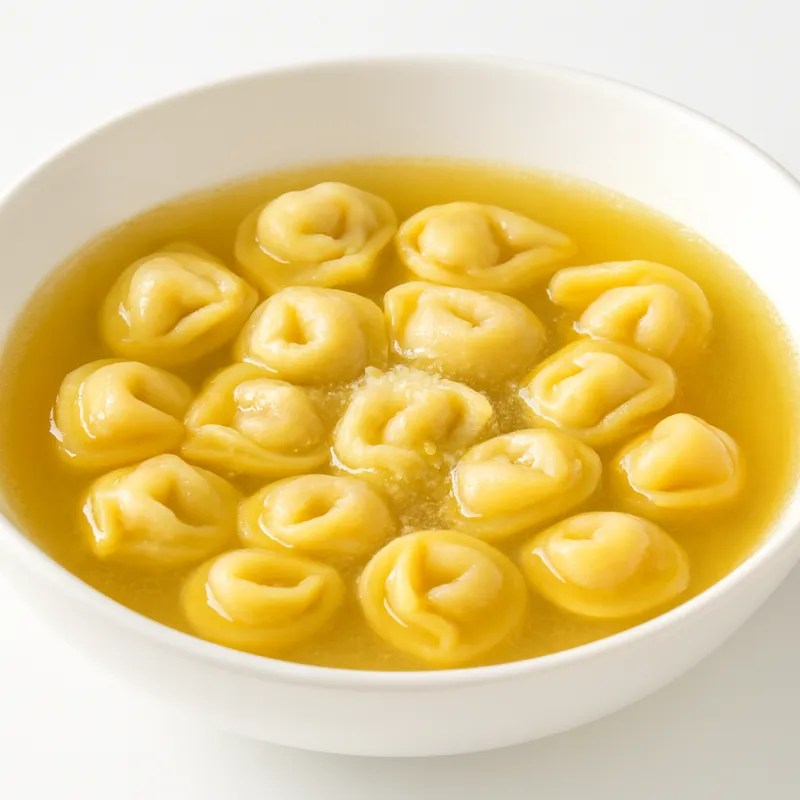
The scrippelle arrive submerged but intact in clear golden chicken broth. Cut one with a spoon — it splits open and releases molten pecorino-parmigiano cream into the broth. The crepe itself is delicate, almost slippery, half-pasta and half-egg. The broth picks up cheese richness and becomes silkier with each spoonful. The dish is comfort in its purest form: chicken soup made aristocratic by cheese-filled crepes, the kind of starter that announces a Sunday lunch is taking the next 3 hours seriously.
Scrippelle batter has a higher water-to-flour ratio than French crêpe batter (350ml water + 200g flour vs French ~250ml/200g), giving paper-thin pancakes more like savory wrappers than French crêpes. Eggs are essential — they provide the structure that lets the thin crepe survive being soaked in hot broth without dissolving. The 2-minute rest in hot broth is calculated: enough to melt cheese and soften the crepe, but not long enough to make it fall apart. Pour the broth right at boiling — anything cooler won't melt the cheese.
Variations
Teramo classic uses two cheeses (pecorino + parmigiano); some Pescara restaurants add a layer of prosciutto crudo inside each rolled crepe; modern variants finish with truffle shavings on top (popular but inauthentic); the dish is rarely eaten outside special occasions — Sundays, Christmas Eve, weddings; non-Teramese cooks often make crepes too thick — they should be translucent when held to the light.
On the Palate
Where Scrippelle 'Mbusse sits in the Italian flavor cloud
Ingredients
Serves 4




How it's made
5 steps · 40 min active + 20 min waiting
- 1125 min
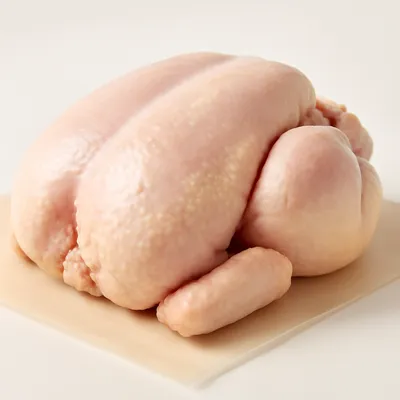
Make broth: in a stockpot, simmer 1 small chicken (1.5kg) + 2L water + 1 onion + 1 carrot + 2 celery stalks + 1 small piece prosciutto end + 2 bay leaves + 1 tsp salt + a few peppercorns, 2 hours. Skim foam. Strain (reserve chicken meat for another use). Salt broth to taste.
- 220 min
Make scrippelle batter: whisk 4 eggs + 200g 00 flour + 350ml water + pinch of salt + pinch of grated nutmeg until smooth. Rest 15 min.
- 317 min
Heat a 22cm non-stick pan over medium heat; grease lightly with butter. Pour 1/3 cup batter, swirl to coat thin. Cook 30 sec, flip 15 sec. Slide onto plate. Repeat — make 12 scrippelle total. Stack with parchment between.
Watch outSwirl the batter fast so it coats the pan paper-thin — scrippelle should be lacy and flexible, thin enough to survive soaking in hot broth without dissolving.
- 48 min
Make filling: mix 100g grated aged pecorino + 100g grated parmigiano + 1/4 tsp ground nutmeg + black pepper. Lay each scrippella flat; sprinkle 2 tbsp cheese mix; roll tightly into a cigar. Place 3 rolls per warmed deep bowl.
Watch outRoll each crepe tight around the cheese into a firm cigar — a loose roll unravels in the broth and lets the cheese leak out before it melts inside.
- 56 min
Bring broth to a roiling boil. Ladle 250-300ml hot broth over the scrippelle in each bowl — they should be half-submerged. Wait 2 min so they soften and the cheese melts inside. Sprinkle a little more cheese and a grind of pepper on top. Serve immediately.
Watch outLadle the broth over at a rolling boil, not a step cooler — only that heat melts the cheese; then wait the full 2 minutes so the rolls soften but don't fall apart.
Archive tool suggestions — not reviewed
These legacy suggestions have not been evidence-reviewed and are not presented as required tools.