



Flädlesuppe is the iconic first course of Baden-Württemberg Swabian cuisine — served at Sunday lunches, weddings, and special occasions throughout the region. The dish solves the problem of stretching a small amount of luxury (beef broth) over more people by adding bulk via cheap pancake ribbons. The Flädle (small pancake) is a thin egg crepe — similar to French crêpe but smaller and rolled rather than folded. Traditional Swabian grandmothers would make a dozen Flädle on Saturday for Sunday's meal; the crepes were rolled tightly and sliced into ribbons, ready to be added to hot broth at service time. The dish is light, brothy, and gentle — a perfect opening to a heavier Swabian Sunday main like Rostbraten or Maultaschen.
A bowl of Flädlesuppe is the picture of restraint: clear amber broth, pale-yellow pancake ribbons floating throughout, green flecks of fresh chives. The first sip: deeply meaty broth from 2 hours of bones-and-shin, mild and clean. Then lift a ribbon of Flädle on the spoon — soft, egg-rich, slightly chewy. The pancake absorbs broth as it sits, becoming progressively more flavorful. The dish is gentle but satisfying — a true first course in the Central European sense, designed to whet appetite without filling. After Flädlesuppe, you're ready for the Sunday roast that follows.
Flädle's thinness (~2mm) is essential — it needs to absorb broth without falling apart. Sparkling water in the batter (a German pancake-maker trick) creates micro-bubbles that lighten the crepe texture. The 2-hour broth simmer extracts gelatin from beef bones plus deep umami compounds from the shin meat — this is what makes the broth taste 'beefy' rather than watery; commercial bouillon-based versions taste flat. Rolling and slicing is functional: you can prepare hours ahead, store at room temp, and add to broth at service.
Variations
Stuttgart canonical with beef broth + chive garnish; Bavarian variant uses chicken broth and adds parsley to the Flädle batter; Austrian Frittatensuppe is essentially identical (Frittaten = Flädle by another name); modern restaurants sometimes add a poached egg yolk to each bowl for richness; commercial dried Flädle (sold in plastic bags) are acceptable for quick weeknight prep but lack the freshness of homemade; the broth quality is paramount — a great broth + mediocre Flädle is still good; mediocre broth + great Flädle is dismal.
On the Palate
Where Flädlesuppe sits in the German flavor cloud
Ingredients
Serves 4





How it's made
6 steps · 30 min active + 15 min waiting
- 1125 min
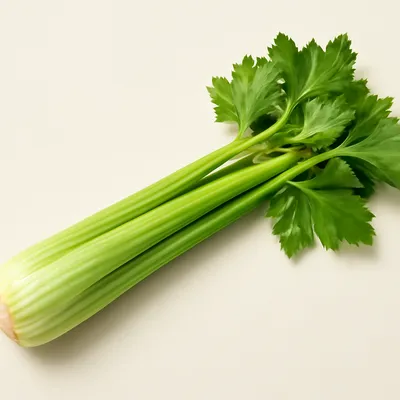
Make broth (or use pre-made high-quality beef broth): in a stockpot, simmer 1kg beef bones + 200g beef shin meat + 1 onion + 1 carrot + 2 celery stalks + 2 bay leaves + a few peppercorns in 2L cold water for 2 hours. Strain; reserve clear broth (about 1.5L). Salt to taste. Reserve meat for another meal.
- 218 min
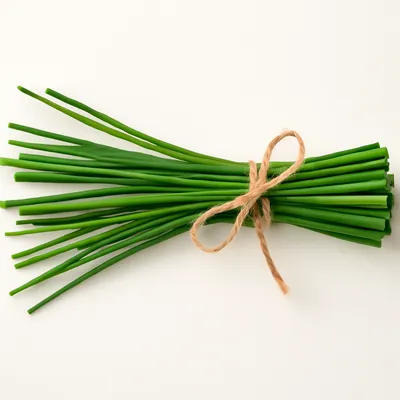
Make Flädle batter: in a bowl, whisk 100g all-purpose flour + 2 eggs + 200ml milk + 50ml sparkling water + 1/4 tsp salt + 1 tbsp chopped fresh parsley + 1 tbsp chopped chives until completely smooth. Let rest 15 min.
Watch outWhisk until dead smooth with zero lumps and let it rest — the sparkling water needs those minutes to lighten the batter, or the crepes turn rubbery.
- 312 min
Cook Flädle: heat a 22cm non-stick skillet over medium heat; brush very lightly with butter. Pour 1/4 cup batter; immediately tilt and swirl to coat the pan thinly. Cook 45 sec until edges lift; flip; cook 20 sec more. Slide onto plate. Repeat — should make 6-8 Flädle.
Watch outSwirl the pan the second the batter hits so it coats paper-thin — pull each Flädle when the edges just lift and it's barely golden, not browned crisp.
- 45 min
Stack the Flädle; roll the entire stack tightly into a cigar shape. With a sharp knife, slice the rolled stack crosswise into 0.5cm-wide ribbons. They will unfurl into pancake noodles. (Some grandmothers slice each Flädle individually; the stacked-and-rolled method is the time-saving home approach.)
Watch outRoll the stack tight and slice thin with a sharp knife — loose rolls or a dull blade tear the crepes into scraps instead of clean ribbons.
- 55 min
Bring the broth to a gentle simmer. Divide the Flädle ribbons among 4 warm bowls. Pour hot broth over the ribbons to fill each bowl. Garnish each bowl with 1 tbsp chopped fresh chives.
- 63 min
Serve immediately, hot, as a first course. Eat with a soup spoon, lifting Flädle ribbons gently. The broth should be clear and golden; the Flädle should be visible as pale-yellow ribbons within. A small bread roll on the side is traditional but optional.
Archive tool suggestions — not reviewed
These legacy suggestions have not been evidence-reviewed and are not presented as required tools.
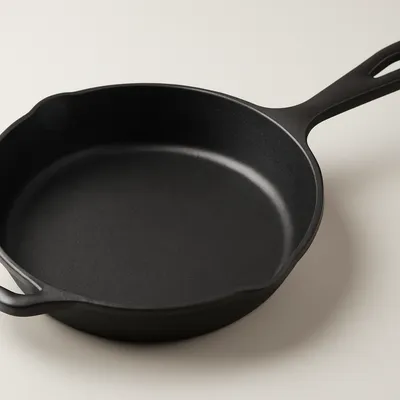
A heavy, single-piece cast iron pan, 25-30 cm across, weighing 1.5-2.5 kg. Once preheated, the thick mass holds 230°C+ even when a cold steak hits the surface — that's the secret to a deep crust. A well-seasoned skillet (multiple thin layers of polymerized oil baked into the iron) is essentially nonstick, gets better with use, and lasts a century. Lodge skillets from Tennessee have been in continuous production since 1896.

Hand-held wire loop tool for beating eggs, whipping cream, emulsifying dressings, and incorporating air into batters. Balloon whisks (large round head) for whipping cream and meringues; French whisks (narrow tear-drop) for sauces in pots; flat whisks (gravy) for pan sauces. Stainless steel is universal; silicone-coated for non-stick pans.


