


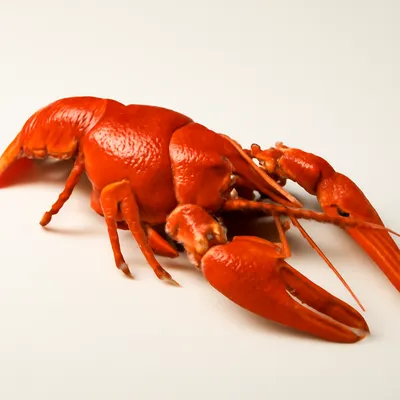
Leipziger Allerlei ('Leipzig everything-and-all') pairs humble spring vegetables with morel mushrooms and crayfish tails (when made canonically), a product of Leipzig's wealthy 18th-century merchant culture. The dish is first attested in the 1745 Leipzig cookbook of Susanna Eger, a cook in bourgeois households who recorded over 900 regional Baroque-era recipes; the city's location on the trade route allowed access to luxury ingredients (river crayfish from local streams, morels from nearby forests) at a time when other German regions ate only peasant food. The dish has multiple legends: the best-known legend credits a Leipzig city clerk, Maltus Hempel, who is said to have advised the city elders to serve only plain vegetables and hide the meat and costly ingredients, so that visiting beggars and tax collectors would move on to neighbouring towns. Either way, the dish is now part of Saxon culinary identity. Modern restaurants in Leipzig serve traditional all-inclusive versions (~€25-30); home cooks usually skip the crayfish (expensive and seasonal) for a vegetable-only version.
Leipziger Allerlei is impossibly delicate for a German dish — pale-cream sauce with bright green peas, orange carrot cubes, golden-tan morels, pink crayfish tails (if used), all in a velvety butter sauce. The first bite: cream and butter coat the tongue, then individual vegetables come through — sweet carrot, snappy pea, tender asparagus, earthy morel. The Grießklösschen are pillowy-soft, absorbing the cream sauce. The crayfish tails (when included) add a delicate seafood sweetness that surprises against the vegetables. The dish proves that German cuisine has a refined, vegetable-forward side that gets ignored in the bratwurst-and-sauerkraut stereotype. This is what wealthy 18th-century Leipzig merchants ate.
The vegetable blanching technique is critical — undercooked vegetables are crunchy and out of place; overcooked are mushy. Each vegetable has its own ideal cooking time, so they must be added in order (carrots 8 min, kohlrabi 5 min, asparagus 3 min, peas 1 min). The roux-and-cream sauce (velouté + cream) is technically French-inspired (Leipzig was deeply connected to Paris in the 18th century via trade and culture). Dried morels are essential — fresh morels would dilute the sauce; the dried version concentrates flavor and the soaking liquid contributes to the sauce. Crayfish tails are optional but transform the dish from a creamy vegetable mix into a Saxon luxury classic.
Variations
Leipzig classical with morels + crayfish (the canonical luxury version); home cooks usually skip the crayfish (cost + seasonality); modern Saxon restaurants offer a 'vegetarian Leipziger Allerlei' that just omits the crayfish; some 19th-century recipes add white asparagus instead of green (Saxon white asparagus from the Spreewald is prized); commercial canned 'Leipziger Allerlei' (sold in German supermarkets) is a sad shadow — uses canned peas/carrots/no morels/no crayfish; the dish requires fresh spring vegetables to be at its best — out-of-season versions are dim.
On the Palate
Where Leipziger Allerlei sits in the German flavor cloud
Ingredients
Serves 4





How it's made
9 steps · 45 min active + 15 min waiting
- 110 min
Prepare vegetables: peel and dice 300g young carrots into 1cm cubes; cut 200g asparagus into 3cm tips (reserve stems for stock); peel and cube 200g kohlrabi (or substitute young turnip) into 1cm pieces; shell 200g fresh peas (or use 200g frozen).
- 232 min
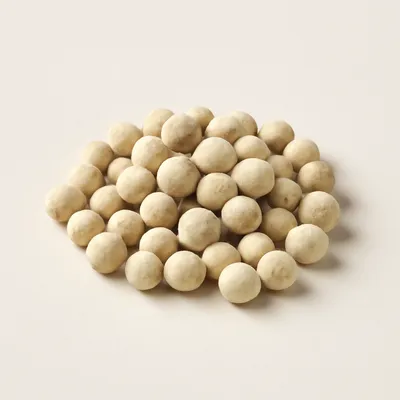
Optional luxury ingredients (canonical): soak 30g dried morels in 200ml warm water 30 min (reserve soaking liquid, strain); shell 200g cooked crayfish tails (or substitute with cooked shrimp).
- 39 min
Blanch the vegetables: bring a large pot of salted water to a boil. Cook carrots 3 min; add kohlrabi 2 min more; add asparagus tips 2 min; add peas last 1 min. Drain; plunge into ice water to stop cooking; drain.
Watch outAdd each vegetable in strict order and pull the whole batch the second the peas brighten — they cook in about a minute.
- 48 min
Make a velouté base: in a heavy saucepan, melt 50g butter; whisk in 3 tbsp flour; cook 2 min over low heat to make a pale roux. Whisk in 400ml warm vegetable stock + the strained morel-soaking liquid; bring to gentle simmer; cook 5 min until thickened.
Watch outCook the butter-flour roux only until pale and nutty-smelling, not browned, or the sauce loses its delicate cream color.
- 54 min
Add 200ml heavy cream + a pinch of nutmeg + 1/2 tsp salt + 1/4 tsp white pepper. Bring back to a simmer; cook 3 min more.
- 64 min
Add the soaked morels (squeezed dry, sliced); cook 3 min in the sauce to infuse.
- 74 min
Gently fold the blanched vegetables into the cream sauce. Add the crayfish tails (if using). Simmer 3 min just to heat through — don't overcook. Adjust salt.
Watch outFold the vegetables in gently and heat just through; a hard simmer here breaks them down and clouds the sauce.
- 821 min
Make Grießklösschen (semolina dumplings) — optional but traditional: in a small saucepan, bring 200ml milk + 30g butter to a simmer; whisk in 100g semolina + pinch salt; cook 3 min stirring until thick. Off heat; whisk in 1 egg + 1 tbsp finely chopped parsley. Let cool 5 min. With a small spoon, shape into 16-20 small quenelles; drop into a separate pot of simmering salted water; cook 8 min until floating. Lift out with slotted spoon.
- 94 min
Plate: ladle a generous portion of Leipziger Allerlei into each warm shallow bowl. Top with 4-5 semolina dumplings. Garnish with chopped fresh chervil or parsley. Serve immediately, with a glass of Saxon Müller-Thurgau or Riesling.
Archive tool suggestions — not reviewed
These legacy suggestions have not been evidence-reviewed and are not presented as required tools.

Hand-held wire loop tool for beating eggs, whipping cream, emulsifying dressings, and incorporating air into batters. Balloon whisks (large round head) for whipping cream and meringues; French whisks (narrow tear-drop) for sauces in pots; flat whisks (gravy) for pan sauces. Stainless steel is universal; silicone-coated for non-stick pans.

Round metal pot, 14-26 cm diameter, with vertical walls and a long handle, designed for sauces, soups, oatmeal, rice, boiled vegetables. The vertical walls minimize evaporation (vs. a sauté pan). Sizes: 1 qt for melting butter, 2-3 qt for sauces, 4 qt for soups. Stainless-steel-clad aluminum or copper is best for conduction; cast-iron is too thick for delicate sauces.


