Dresdner EierscheckeLeipziger AllerleiQuarkkeulchenQuarkbällchen
Germany / Saxony (Dresden, Leipzig)

Saxon

Quark, Stollen, vegetable delicacy — Dresden-Leipzig sweet-and-savory kitchen.

7 dishes · 43 ingredients · 6 techniquesReference
Signature·Dish

Stollen

Dresden Christmas fruit-bread

View page →

Saxon cuisine — from Dresden, Leipzig, Meissen, and the Erzgebirge mountains — is Germany's quark-and-sweet kitchen. The signature ingredients are quark (the fresh acidic cheese ubiquitous in Saxon cooking), dried fruits and nuts (from the merchant trade of medieval Leipzig), and the elaborate baking traditions of Dresden (Stollen, Eierschecke, Quarkkeulchen). Where Bavarian cuisine emphasizes substance and meat, Saxon cuisine emphasizes delicacy and dairy.

Saxon dishes range from the surprisingly luxurious (Leipziger Allerlei with its morels and crayfish — a relic of 18th-century Leipzig merchant wealth) to the humble (Quarkbällchen at every Christmas market). Dresdner Stollen has been baked annually for the Christmas market since the 15th century — the oldest continuous food tradition in Saxony. Saxon savory dishes include Sächsische Kartoffelsuppe (the working-class potato soup with marjoram), Königsberger Klopse (the meatball-in-caper-sauce dish — traditionally Saxon but also claimed by East Prussia). The cuisine is gentler and more refined than its German neighbors.

Start Here

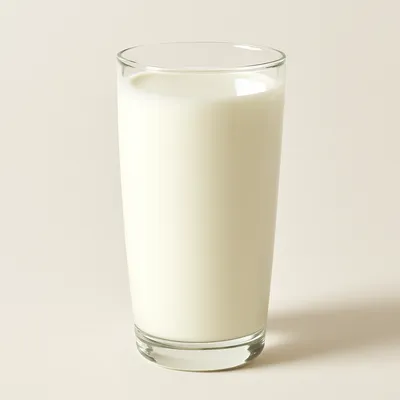
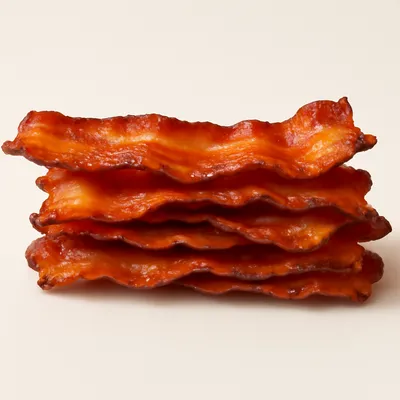
Dresdner Eierschecke

Three distinct layers (yeasted base + quark middle + custard top) — each requires a different cooking state.

Why start here · Dresdner Eierschecke is the iconic Dresden cake — a Konditorei (cake shop) showcase that requires baking precision.

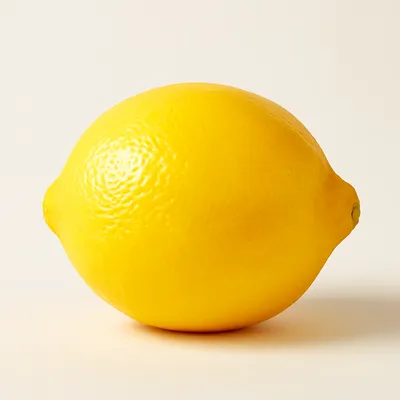
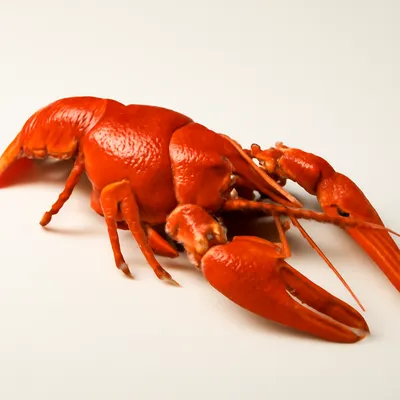
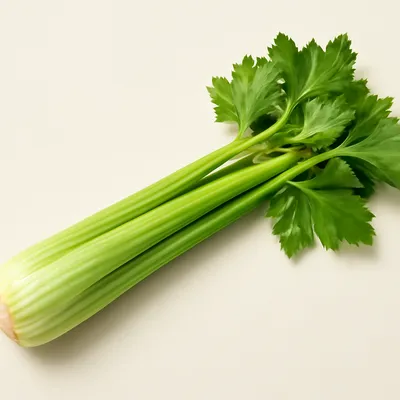
Leipziger Allerlei

Include morels and crayfish for the canonical luxury version — without them, it's just mixed vegetables.

Why start here · Leipziger Allerlei is surprisingly elegant — proves Saxon cuisine has a refined side beyond the everyday.

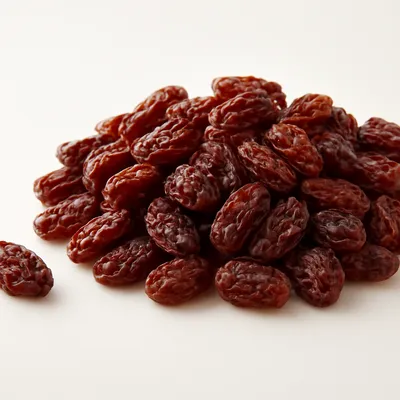
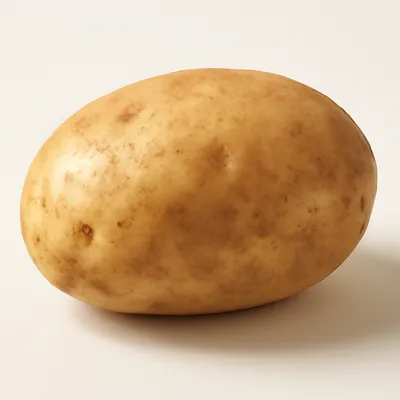
Quarkkeulchen

Use cold-grated cooked potato — warm potato makes a sticky batter that won't crisp properly.

Why start here · Quarkkeulchen is the most-eaten Saxon dessert — found at every Christmas market and afternoon Konditorei.

The Pantry

See all 43 ingredients

How They Cook

Techniques that define this cuisine

See 2 more techniques

Other regions

Siblings within German — each its own tradition.

Bavarian
21

Munich-Bavaria-Alpine kitchen — the most-internationally-known German regional cuisine. Sausages (Weisswurst, Bratwurst, Leberkäse, Schweinshaxe), beer (the Reinheitsgebot heritage), dumplings (Knödel, Maultaschen), pretzels (Brezel), and Alpine dairy (Obatzda).

Northern German
18

Hanseatic and North Sea kitchen — fish-heavy (Labskaus, Matjes, Fischbrötchen, Pannfisch), winter-vegetable-and-sausage stews (Grünkohl mit Pinkel, Birnen Bohnen und Speck), dark rye breads (Pumpernickel from Westphalia, Roggenbrot). Influenced by maritime trade and Scandinavian neighbors.

Rhineland
16

Working-class Catholic kitchen of the Rhine — Sauerbraten (marinated beef with raisin-Lebkuchen gravy), Himmel un Ääd (apple-and-potato mash with blood sausage), Halve Hahn (cheese-and-mustard rye roll), Reibekuchen (potato pancakes). Westphalia adds Pumpernickel, Pannas, Mettbrötchen. Kölsch and Altbier beer cultures.

Berliner
15

Berlin-and-Brandenburg cuisine carries the Prussian-imperial heritage — Berliner Pfannkuchen, Eisbein, Königsberger Klopse, Currywurst (the post-war Berlin invention), Kassler. Practical, hearty, working-class, with strong East-Prussian influences (the historical Königsberg cuisine).

Swabian
15

Germany's pasta tradition — Spätzle (the egg-rich short noodle), Maultaschen (Germany's only large stuffed pasta), and Schwäbischer Rostbraten with crispy Röstzwiebeln. Defining tendency toward sour-tangy flavors (Saure Kutteln, Linsen mit Spätzle und Saiten). Black Forest contributes the famous Kirschtorte.

Hessian
9

Central German cuisine of the Hessen region — Frankfurter Würstchen, Grüne Soße (the famous 7-herb cold sauce), Handkäs mit Musik (the smelly hand-cheese with onion-vinegar marinade), Apfelwein (apple cider wine, the regional drink), Bethmännchen (Christmas marzipan biscuits). Practical, herbal, with a distinct apple-wine drinking culture.

Franconian
5

Franconia — wine country, carp, Schäufele and Nuremberg gingerbread, distinct from beer-Bavaria.

Saarland
4

Saarland — Schwenkbraten on the swinging grill, potato bakes and Lyoner sausage.

Thuringian
4

Thuringia — the PGI Rostbratwurst and potato Klöße heartland of the German grill.

Palatine
3

The Palatinate (Pfalz) — Saumagen, liver dumplings and wine-country comfort food.

Signature Dishes (7)

Browse all 7 dishes