
Franconian
Wine country, not beer halls — Franconia's Bocksbeutel flasks, smoke-beer cellars, carp ponds, and Nuremberg spice.
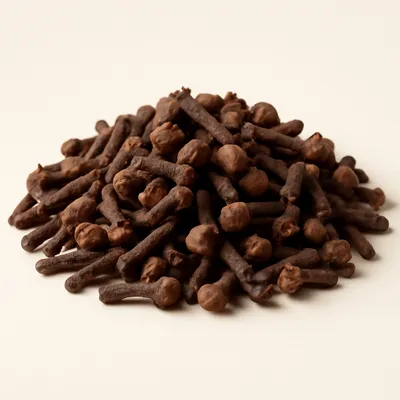
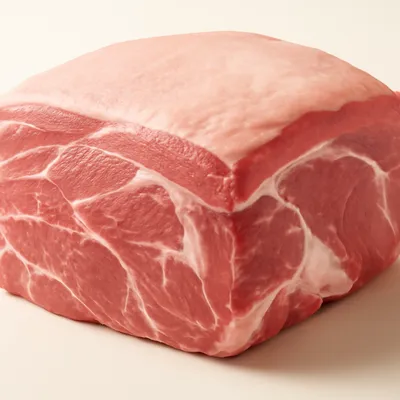
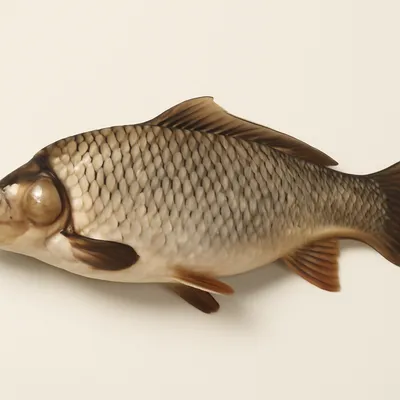
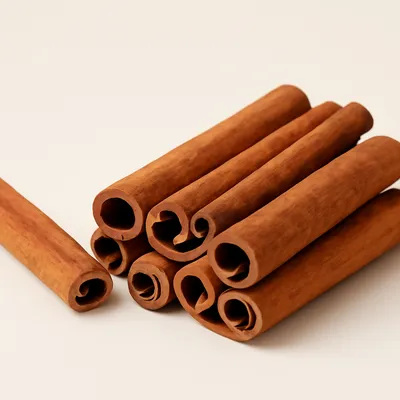
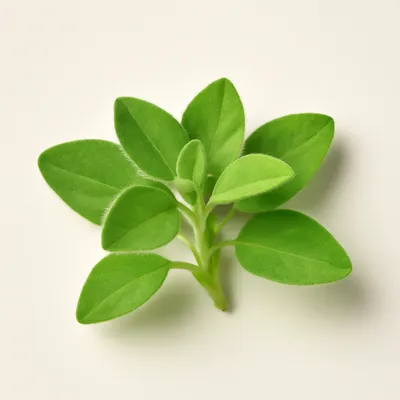
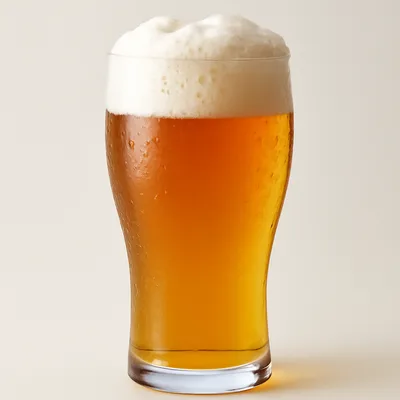
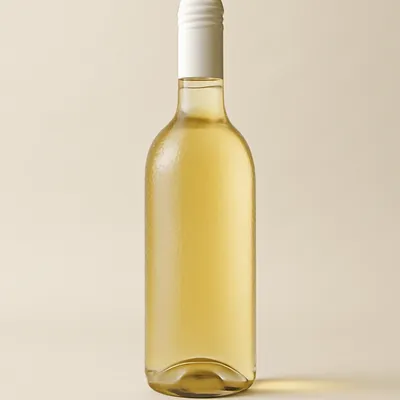
Franconia — the wine-growing north of Bavaria, around Nuremberg, Bamberg, and Würzburg — looks nothing like the beer-and-Weisswurst Bavaria of the tourist poster. This is Frankenwein country first: dry Silvaner has been grown on the limestone slopes of the Main valley for more than 1,200 years and is bottled in the Bocksbeutel, the flattened, pot-bellied flask that Würzburg's council made the mark of its best wines in 1728. Yet Franconia also holds the highest density of breweries on earth, nowhere more than around Bamberg, where Aecht Schlenkerla (first recorded in 1405) still dries its malt over beechwood to brew Rauchbier, a dark smoked beer with an unmistakable note of bacon and woodsmoke. The heartland Sunday roast is Schäufele — a bone-in pork shoulder, named for the shovel-shaped blade bone, roasted skin-on to a hard, glassy crackling and basted with dark beer, served with round potato dumplings. In the Aischgrund, Germany's largest stretch of carp ponds dug by Cistercian monks in the Middle Ages, fried and 'blue' carp (Karpfen) rules the cold 'R-months' from September to April. And Nuremberg, a free imperial city sitting where the medieval trade roads from Italy met those running north, turned its flood of cinnamon, clove, and cardamom into Lebkuchen, the honey-and-spice Christmas cake, and made its name on the Nürnberger Bratwürstchen — finger-length, marjoram-scented, grilled small enough to fit a half-dozen on a roll.
Start Here
Score the rind in a tight diamond and roast skin-up so it blisters into hard crackling; baste with dark Franconian beer, not stock, and finish with a blast of high heat for the crust.
Why start here · Schäufele is the dish a Franconian tavern is judged by — the regional answer to the Bavarian pork knuckle, and the clearest taste of the inland Sunday table.
Keep them finger-thin and grill over beechwood; serve the classic count of six or eight on a roll with sweet mustard, or laid on sauerkraut as 'Drei im Weckla' — three in a bun.
Why start here · These tiny marjoram sausages are Nuremberg in one bite — a protected specialty whose small size carries half the city's medieval legends.
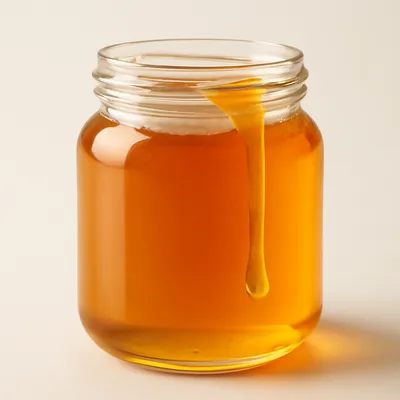
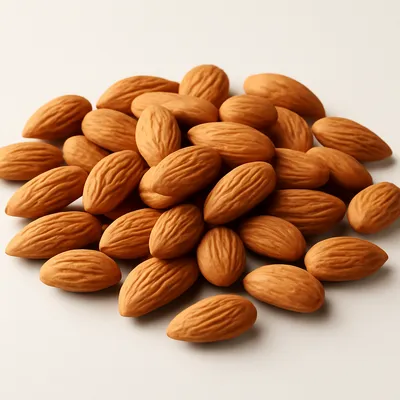
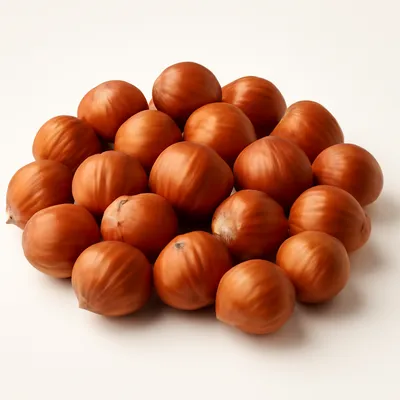
Build the batter on honey, ground nuts, and candied citrus peel, and bake it on a thin round wafer so it lifts off clean; the top grade, Elisenlebkuchen, is almost flourless, carried by almonds and hazelnuts.
Why start here · Nuremberg's spice-trade riches baked into a cake — the soft honey Lebkuchen is the taste of the city's Christkindlesmarkt and proof of why the spice routes mattered.
The Pantry





See all 32 ingredients›





Fruits


Dairy & Fats

Sauces & Condiments


How They Cook
Techniques that define this cuisine
See 1 more techniques›
Other regions
Siblings within German — each its own tradition.