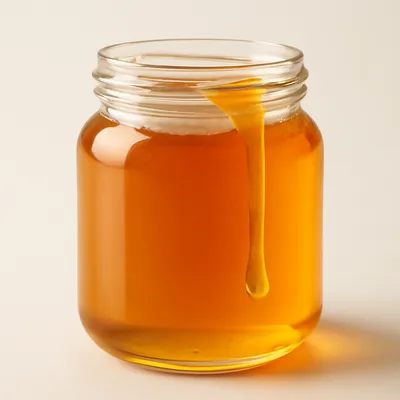
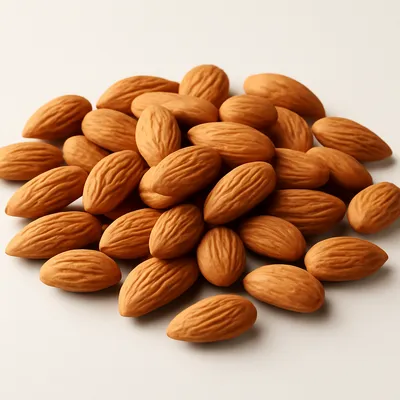
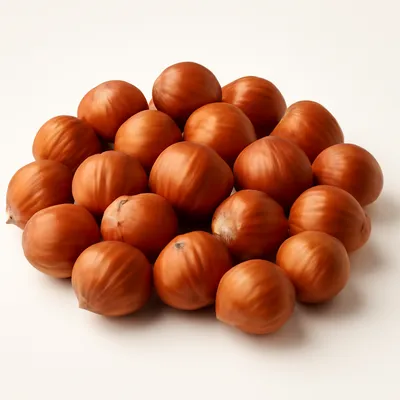
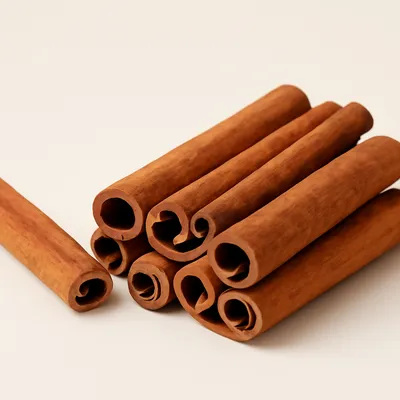
Nürnberger Lebkuchen is Nuremberg's celebrated soft honey-and-spice cake, the city's signature Christmas sweet. The batter is built on honey, ground nuts, candied orange and lemon peel and a warm blend of 'Oriental' spices — cinnamon, clove, cardamom, allspice, mace — and is traditionally baked on a thin round wafer (Oblaten) so it does not stick. The finest grade, Elisenlebkuchen, is almost flourless, carried instead by almonds and hazelnuts. Glazed with sugar or coated in dark chocolate, sold in round tins, it is the taste of the Nuremberg Christkindlesmarkt and a protected regional specialty.


Lebkuchen has been produced in Nuremberg since the 14th century, and the city's wealth as a hub of the late-medieval spice trade put rare Oriental spices within reach of its bakers, who organised into a recognised craft. An origin among Franconian monastery bakeries is widely repeated but only loosely documented. On 1 July 1996 'Nürnberger Lebkuchen' became the first German food to receive EU protected status (PGI): to carry the name it must be made within the Nuremberg city boundary. Quality grades are defined by composition — the top Elisenlebkuchen contains no more than 10% flour and at least 25% nuts. It differs from spiced biscuits like Spekulatius or Belgian speculoos in being a soft, honey-rich, nut-bound cake baked on a wafer rather than a crisp moulded biscuit.
A good Lebkuchen is soft and slightly chewy, never hard, dense with ground nuts and fragrant with layered spice — clove and cinnamon forward, citrus peel cutting through, a deep honeyed sweetness underneath. The thin Oblaten wafer on the base dissolves almost to nothing. A sugar glaze sets to a faint crackle; a chocolate coating snaps over the yielding crumb. Elisenlebkuchen, all nuts and almost no flour, eats moist and rich, closer to a baked marzipan than a biscuit.
Honey and ground nuts do the structural work that flour and butter do in an ordinary cake. The honey holds moisture and keeps the crumb soft for weeks, which is why Lebkuchen was historically baked well before Christmas and stored; the high nut content (especially in Elisenlebkuchen) means there is little gluten, so the texture is tender rather than springy. Spices and candied peel are folded through the batter, not sprinkled on top. The Oblaten wafer is functional — it stops the sticky, low-flour batter from welding to the tray and gives a clean base to lift from. A sugar or chocolate glaze seals in moisture for storage.
Variations
Grades range from everyday Braune Lebkuchen, which contain more flour, up to the prized almost-flourless Elisenlebkuchen. The finish varies — left plain, brushed with a clear sugar glaze (zuckerglasiert), or coated in dark or milk chocolate (schokoliert). Some are studded with whole blanched almonds in a sunburst. Beyond Nuremberg, other German towns bake their own Lebkuchen (such as Aachener Printen and Pulsnitzer Pfefferkuchen), but only cake made within the Nuremberg city limits may be sold as Nürnberger Lebkuchen.
On the Palate
Where Nürnberger Lebkuchen sits in the German flavor cloud
Ingredients
Serves 12
How it's made
6 steps · 45 min active + 1 hour 15 min waiting
- 110 min
Warm honey with sugar and butter until just melted, then let it cool to lukewarm.
Watch outCool the melted honey mixture to just lukewarm before beating in eggs; too hot and the eggs will scramble instead of blending in smooth.
- 210 min
Beat in eggs, then fold in ground almonds and hazelnuts, finely chopped candied orange and lemon peel, and the spice blend of cinnamon, clove, cardamom, allspice and mace.
- 310 min
Stir in just enough flour and a little baking ammonia or baking powder to bind into a soft, sticky batter, and let it rest.
- 410 min
Spoon mounds of batter onto round Oblaten wafers set on a baking tray and smooth the tops.
Watch outSpoon the sticky batter onto the Oblaten wafers; the wafer stops the low-flour batter welding to the tray and gives a clean base to lift from.
- 520 min
Bake at 160°C for about 15-20 minutes until set but still soft, taking care not to dry them out.
Watch outBake only until set but still soft; the honey keeps them tender for weeks, so pulling them before they dry out is the whole point.
- 610 min
While still warm, brush with sugar glaze or, once cool, coat in melted dark chocolate; store airtight to mellow.
Archive tool suggestions — not reviewed
These legacy suggestions have not been evidence-reviewed and are not presented as required tools.


