Bratapfel is the German baked apple: a whole apple, cored but left whole, packed with a filling of marzipan, chopped nuts and raisins, then baked until the flesh turns soft and fragrant and the filling melts into it. It is served hot, usually with vanilla sauce and sometimes a scoop of cream or ice cream. A homely, warming dessert tied above all to Advent and Christmas, it fills the kitchen with the smell of cinnamon and baked fruit and is the kind of dish associated with cold evenings and the family table rather than the pastry shop.




Baking whole apples with sweet fillings is an old and widespread European household practice, and in the German-speaking lands the Bratapfel became firmly attached to Advent and Christmas, when apples kept from the autumn harvest were among the fruit still on hand through winter. No single origin or date can be assigned; it is a traditional home dessert rather than a chef's or town's invention, and recipes for filled baked apples appear in German cookery writing well back into the 19th century. Its festive standing is reflected in German culture — the well-known carol 'In der Weihnachtsbäckerei' and the children's verse about the Bratapfel sweating in the oven place it squarely in the imagery of a German Christmas. The marzipan-and-nut filling reflects the same Christmas pantry — almonds, raisins, cinnamon — that fills the season's biscuits and Stollen.
The apple collapses to a soft, almost spoonable flesh, tart-sweet and steaming, while the filling at its core is dense, sweet and chewy with marzipan, nuts and plumped raisins. Cinnamon runs through it, and pockets of buttery juice and melted sugar gather in the baking dish to be spooned back over. The hot apple against cool vanilla sauce is the point — sharp baked fruit, sweet almond filling, smooth custard. Eaten with a spoon, straight from the oven while it still steams.
Baking breaks down the apple's cell walls and pectin so the firm flesh turns soft and creamy while the skin holds the shape like a cup; coring leaves a well for the filling without letting the apple fall apart. A firm, slightly tart cooking apple is wanted — varieties such as Boskoop or Elstar hold together and keep their acidity, where a soft sweet eating apple would slump to mush. The marzipan filling melts and partly caramelises in the heat, binding the nuts and raisins and sweetening the tart flesh from within; raisins are sometimes soaked in rum first so they plump rather than scorch. A little butter and sugar in the cavity, and the juices released by the apple, form the sauce in the dish.
Variations
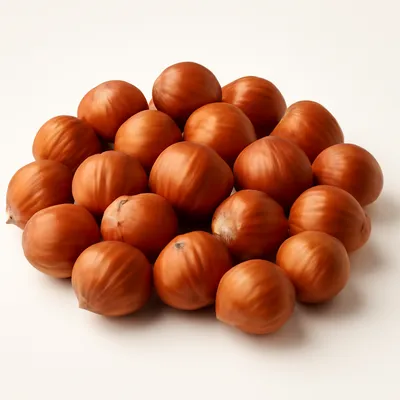
Fillings vary widely — marzipan, ground or chopped almonds and hazelnuts, raisins or currants, candied peel, a knob of butter, honey or sugar, and warm spice. Some are filled with jam or a nut-and-breadcrumb mix; rum-soaked raisins are common. The apple may be wrapped in puff or shortcrust pastry (Bratapfel im Teigmantel) for a more elaborate version. It is most often served with vanilla sauce (Vanillesauce), but also with whipped cream, vanilla ice cream, or a splash of the baking juices. Mulled-wine baked apples appear at Christmas markets.
On the Palate
Where Bratapfel sits in the German flavor cloud
Ingredients
Serves 4
How it's made
6 steps · 20 min active + 40 min waiting
- 18 min
Wash firm tart apples such as Boskoop and remove the cores from the top, leaving the base intact to make a cup; do not peel.
Watch outUse a firm, tart apple like Boskoop and don't peel it — the skin holds the shape like a cup while the flesh bakes creamy; a soft sweet apple slumps to mush.
- 28 min
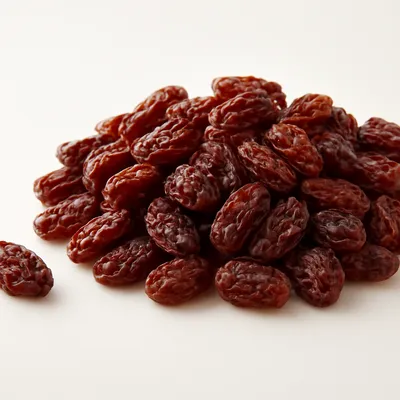
Soak the raisins in a little rum or apple juice, then mix them with marzipan, chopped nuts, sugar and cinnamon into a filling.
- 38 min
Stand the apples in a buttered baking dish and pack the cavities firmly with the filling, topping each with a small knob of butter.
- 440 min
Pour a little apple juice or water into the dish and bake at 180°C for about 30-40 minutes until the apples are soft but still holding their shape.
Watch outBake until the apples are soft but still holding their shape — the marzipan melts and caramelizes inside, sweetening the tart flesh from within.
- 58 min
Meanwhile warm a vanilla sauce, stirring until smooth and just thickened.
- 64 min
Serve the apples hot with the pan juices spooned over and the vanilla sauce poured around.
Archive tool suggestions — not reviewed
These legacy suggestions have not been evidence-reviewed and are not presented as required tools.


