





The crown jewel of Viennese pastry and a hallmark of Habsburg dessert culture. Its soul, the translucent pulled dough, is not an Austrian invention but descends from the layered baklava-phyllo tradition further east: this stretched pastry is thought to have originated in the Arab world, reaching Turkey via Egypt and the Levant, after which Ottoman Janissaries carried it across the Balkans following the 1453 fall of Byzantium. During the Turkish sieges of the 16th and 17th centuries the Hungarians mastered the hand-pulled, paper-thin dough, and the pastry entered Vienna by way of Hungary (Hungarian Almásrétes), spreading throughout the Austro-Hungarian Empire. The oldest surviving strudel recipe is a 1696 handwritten manuscript held in the Vienna City Library (Wiener Stadtbibliothek), and is in fact for a milk-cream strudel; the apple version became the best-known. The word Strudel comes from Middle High German for whirlpool or eddy, after the spiral cross-section of the rolled, sliced pastry.
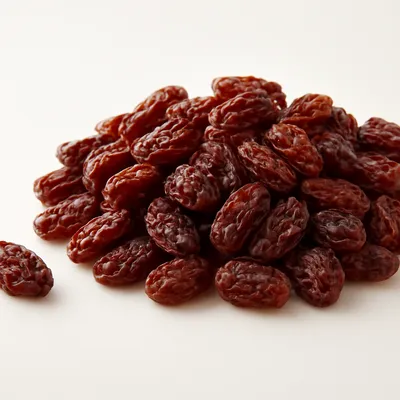
A whisper-thin, golden shell cracks to reveal soft, cinnamon-perfumed apples laced with plump raisins and nutty buttered crumbs. Warm and gently sweet, with a cool slick of vanilla sauce, it is the platonic ideal of a coffee-house afternoon.
Mastering the gluten is everything. High-protein (strong) flour is kneaded vigorously for 8 to 10 minutes to stretch and align the gluten proteins into a strong, elastic network; the freshly kneaded dough is too tight and snaps back, so it must rest for 30 to 60 minutes, during which the gluten relaxes, tension falls and extensibility rises, letting the dough be pulled translucent without springing back or tearing. Oil worked into the dough lubricates between gluten strands and a little vinegar or lemon juice helps the gluten relax, both easing the stretch. In the oven the ultra-thin sheet rapidly loses water and crisps, the rolled layers becoming shatteringly crisp. Buttered toasted breadcrumbs between dough and fruit act like a sponge, soaking up the juices the apples release so the pastry stays crisp rather than soggy.
Variations
Filo or puff pastry as a shortcut, Topfenstrudel with sweet curd cheese, ground walnuts added, served with whipped cream instead of vanilla sauce
On the Palate
Where Apfelstrudel Austrian sits in the Austrian flavor cloud
Ingredients
Serves 8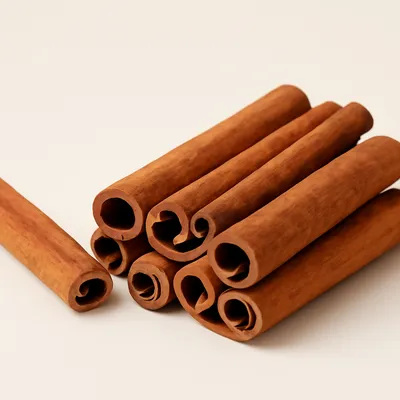

How it's made
8 steps · 1 hour
- 150 min
Knead flour, a little oil, warm water and salt into a smooth elastic dough, then rest it under a warm bowl for 45 minutes.
Watch outKnead till the dough turns smooth and springs back, then rest it a full 45 minutes — skip the rest and the gluten's too tight to stretch without tearing.
- 28 min
Toast breadcrumbs in plenty of butter until golden and set aside.
- 310 min
Toss thinly sliced apples with sugar, cinnamon, raisins and a little lemon.
- 420 min
On a floured cloth, gently stretch the dough by hand over the backs of your fists until almost transparent.
Watch outStretch over the backs of your fists till you can read print through it — near-transparent and even, no thick patches or holes.
- 54 min
Brush the sheet with melted butter and scatter the buttered crumbs over two-thirds of it.
- 66 min
Spread the apple filling along one edge, then use the cloth to roll the strudel up tightly.
- 740 min
Transfer seam-down to a tray, brush with butter, and bake at 190C until deep golden and crisp.
Watch outBake till deep golden and the pastry crackles — it should sound crisp; pale means the thin layers haven't set to that shatter.
- 83 min
Dust generously with powdered sugar and serve warm, ideally with vanilla sauce.


