Blaue Zipfel — also called Saure Zipfel ('sour tips') — is a Franconian way of cooking raw Bratwurst by poaching it gently in a tangy broth of vinegar, white wine, onions and juniper instead of grilling it. The sausages stay pale, never browning, and take on the sharp, aromatic liquor they cook in. They are served in a soup plate swimming in the broth with the onion rings and a thick slice of country bread to mop it up, often as a light supper or a hangover cure. It is one of the few traditional ways to eat Franconian Bratwurst without fire.




Blaue Zipfel is a home-style and tavern dish of Franconia, particularly the Nuremberg and Middle Franconian region where Bratwurst is the local sausage. 'Blau' (blue) here describes the pale, slightly bluish-grey cast that the raw sausage takes on when poached in an acidic liquid rather than browned, the same naming logic as Karpfen blau and Forelle blau. 'Zipfel' refers to the twisted tips or ends of the sausage. The dish reflects the thrift of cooking sausage without a grill and using up everyday pantry items — vinegar, wine, onions and spices — and is closely tied to the region's Bratwurst culture rather than to any dated event.
The sausage is soft and yielding, never crisp — there is no casing snap here, just a tender bite that gives way to the meat soaking up the broth. The liquor itself is the draw: sharp with vinegar, rounded by wine, sweet with slow-cooked onion and resinous with juniper and bay. You eat it with a spoon as much as a fork, alternating sausage, onion and bread dunked in the hot sour soup. Mild, warming and bracingly tangy all at once.
Poaching in acid is what keeps the sausage pale and gives the dish its name. Because the Bratwurst is cooked gently below a simmer in an acidic, alcoholic liquid rather than seared, no Maillard browning occurs and the surface protein sets to a pale grey rather than a brown crust. The acidity firms the casing and the meat just enough to hold together while the sausage releases fat and flavour into the broth and absorbs the aromatics in return. Keeping the liquid below a hard boil is essential — a rolling boil would split the delicate raw sausages and cloud the broth.
Variations
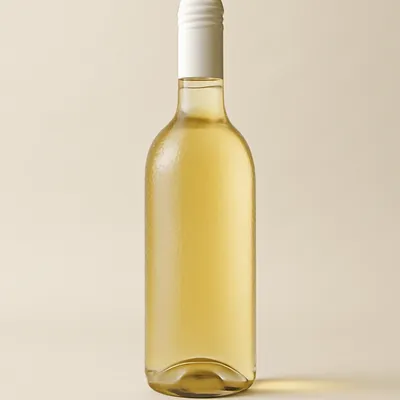
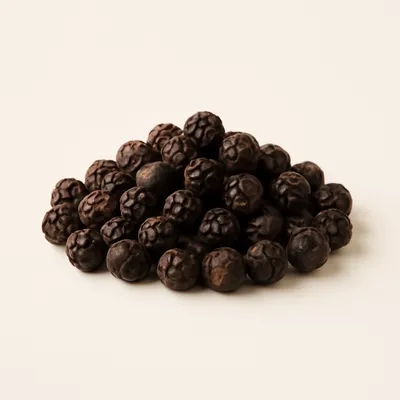
Recipes differ in the acid-to-wine ratio — some Nuremberg cooks use mostly vinegar for a sharper broth, others lean on Franconian white wine (Silvaner) for a softer one. Common additions are cloves, peppercorns, bay and lemon zest. The sausage used is the local fresh Bratwurst, ideally Nürnberger; the dish is sometimes thickened slightly or served simply in its clear broth. A close cousin, Saure Bratwürste, follows the same idea across Franconia and the Upper Palatinate.
On the Palate
Where Blaue Zipfel sits in the German flavor cloud
Ingredients
Serves 4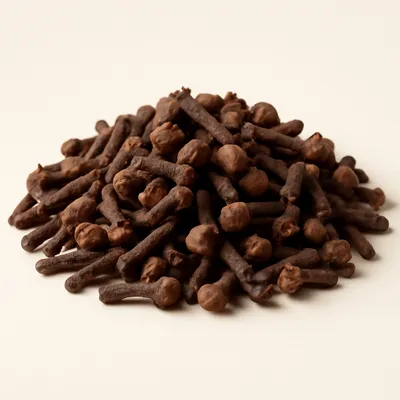

How it's made
6 steps · 20 min active + 20 min waiting
- 15 min
Thinly slice several onions into rings.
- 25 min
Bring water, white wine and white-wine vinegar to a gentle simmer with the onions, juniper berries, bay, cloves, peppercorns and salt.
- 310 min
Let the broth simmer for about 10 minutes so the onions soften and the spices infuse.
- 415 min
Lay the raw Bratwurst into the barely-simmering liquid and poach gently, never boiling, for 10-15 minutes until cooked through and pale.
Watch outPoach the raw Bratwurst below a simmer, never a hard boil — a rolling boil splits the delicate casings and clouds the broth.
- 52 min
Taste the broth and adjust the balance of vinegar and salt.
- 63 min
Serve the sausages in deep plates with plenty of the hot broth and onions, and country bread alongside.
Archive tool suggestions — not reviewed
These legacy suggestions have not been evidence-reviewed and are not presented as required tools.



