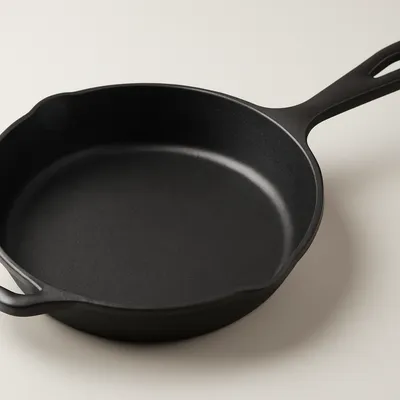
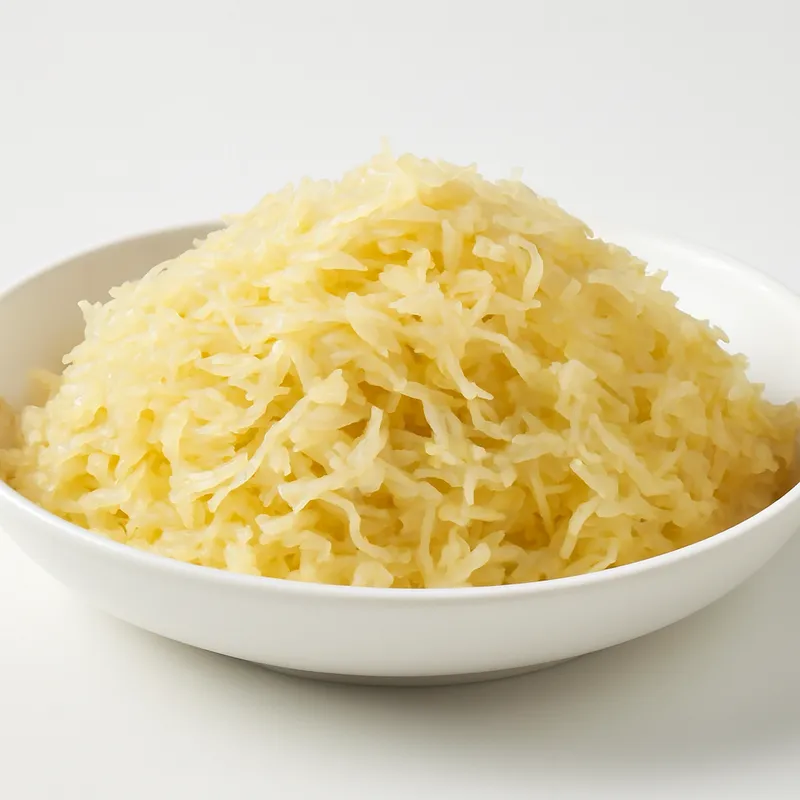
Berlin pan-fried meat patty — mixed ground pork-and-beef seasoned with onion, mustard, marjoram, and bread soaked in milk, formed into thick patties and pan-fried golden, eaten warm in a bread roll with mustard or cold sliced as a sandwich filling — the iconic Berlin street and snack food.
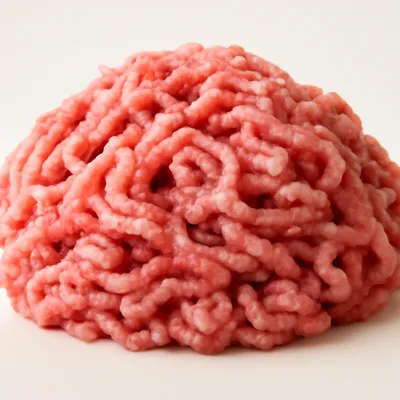
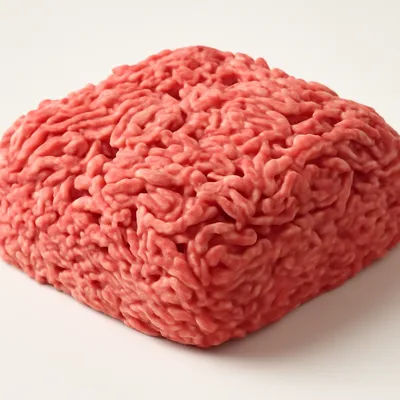



Boulette (French-origin name from boule = ball; the recipe (a lean-beef/fat-pork mince) is linked to the 17th-century Huguenot refugees in Brandenburg, though linguists believe the word 'Bulette' itself may instead have spread east later, with Napoleon's soldiers in the early 19th century) is the Berlin name for what other German regions call Frikadelle or Bulette. The Berlin Boulette is specifically a hand-formed, slightly flat-domed patty (NOT a ball), about 6-7cm wide and 2cm thick, made with a mixed pork-beef mince. The dish was working-class lunch in Berlin from the 19th century onward — sold from street carts in Kreuzberg, Wedding, and Mitte. After the Wall fell, Berlin chains like Curry36 and Konnopke's began selling Bouletten alongside Currywurst as the canonical Berlin street snack pairing. The dish is found in every Berlin Imbiss (snack stand), every neighborhood bakery, and every Berlin office cafeteria.
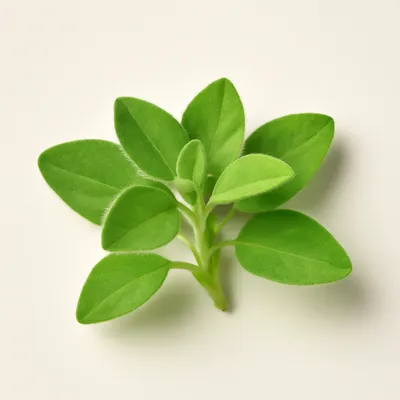
A warm Boulette has a golden-brown crusty exterior and a juicy, slightly-pink interior with visible flecks of onion and parsley. The first bite: crispy crust gives way to tender pork-beef mix, juicy and rich. The Dijon mustard in the mixture is the Berlin signature — it provides moisture and subtle tang. Marjoram is the herbal note that distinguishes Berlin Bouletten from Bavarian Frikadelle (which uses more caraway). Eat with a piece of dark rye bread + Berliner mustard. The cold beer on the side cuts through the rich meat. Two Bouletten + a bread roll is street-cart Berlin lunch; cold sliced Boulette in a sandwich for next-day breakfast is the after-life experience.
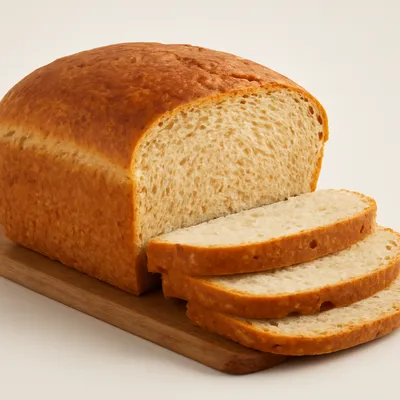
The mixed pork-beef mince (50:50) is essential to Berlin Boulette character: pork contributes fat and tenderness; beef contributes structure and meat-iron flavor. All-pork would be too greasy; all-beef would be too dry. The milk-soaked bread (Panade) is the binder that prevents the patties from being dense — it absorbs juices during cooking, keeping the inside moist. Vigorous kneading is what creates the bind — under-kneaded mixture falls apart in the pan. Grated onion (juice + pulp) is the Berlin signature — chopped onion would leave dry chunks; grated onion melts into the mixture.
Variations
Berlin canonical with mixed pork-beef + Dijon + marjoram; Bavarian Frikadelle uses caraway + chopped onion + breadcrumbs (drier, denser); Hessian variant adds chopped pickled gherkin to the mix (more tangy); modern Berlin chains (Curry36, Konnopke's) serve 'Boulette mit Senf' as a snack alongside Currywurst; commercial frozen Bouletten exist but the freshness suffers; cold leftover Bouletten are a Berlin work-lunch classic — sliced thin on a Brötchen with mustard.
On the Palate
Where Boulette sits in the German flavor cloud
Ingredients
Serves 4




How it's made
8 steps · 30 min active + 15 min waiting
- 113 min
Soak 50g stale white bread (crusts removed) in 100ml cold milk 10 min. Squeeze out excess milk; mash bread to a paste.
Watch outWring the soaked bread hard — dripping-wet Panade makes a loose mix that won't hold a patty.
- 26 min
In a large bowl, combine 300g ground pork + 300g ground beef + the bread paste + 1 large finely-grated onion (juice and pulp) + 2 minced garlic cloves + 2 tbsp Dijon mustard + 1 large egg + 1.5 tsp salt + 1.5 tsp ground black pepper + 1 tsp dried marjoram + 1/4 tsp ground caraway + 1 tbsp chopped fresh parsley.
- 35 min
Mix vigorously with hands 4-5 min until the mixture is uniform, sticky-elastic, and holds shape when squeezed. This kneading is essential — under-kneaded mixture falls apart during cooking.
Watch outKnead until the mix turns sticky-elastic and pulls back on your fingers — that tack is the bind; slack mix cracks apart in the pan.
- 416 min
Cover; refrigerate 15 min for the structure to set.
- 54 min
Divide into 8 equal portions (about 90g each). With wet hands, roll each into a ball, then flatten between palms into a 7cm-wide, 2cm-thick patty — the canonical Berlin Boulette shape is slightly domed on top, flat on bottom.
- 69 min
Heat 3 tbsp neutral oil (or 2 tbsp oil + 1 tbsp butter for richer flavor) in a heavy skillet over medium heat. Add the Bouletten in a single layer — don't crowd. Fry 4 min per side, pressing gently with a spatula, until deep golden-brown on both sides and the internal temperature is 70°C / 158°F. Total 8-9 min.
Watch outGo for a deep crusty brown on both sides and firm-springy in the middle — pale patties are still raw inside.
- 71 min
Drain briefly on paper towels.
- 85 min
Serve hot, 2 Bouletten per person, with a slice of dark rye bread, a generous smear of medium-mild mustard, sliced raw onion or pickled gherkin, and a cold beer. Alternative: in a Brötchen (bread roll) with mustard as 'Bouletten-Brötchen' — Berlin's working-class sandwich. Cold leftover Bouletten are excellent the next day, sliced into sandwiches.
Archive tool suggestions — not reviewed
These legacy suggestions have not been evidence-reviewed and are not presented as required tools.