
Marche-region grand lasagna — egg-rich pasta sheets layered with a long-cooked ragù built on veal mince with mixed offal (chicken giblets, cockscombs, sweetbreads, sometimes calf brains), pork, prosciutto, dried porcini, white truffle (when in season), béchamel, and parmigiano, baked until bubbling and crusty-golden on top.

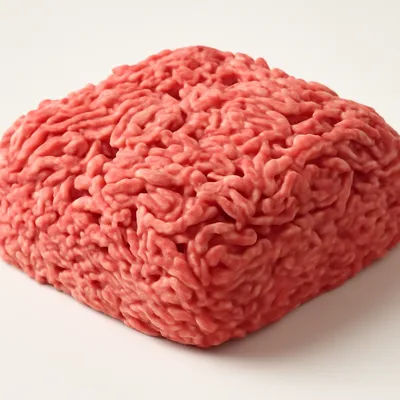
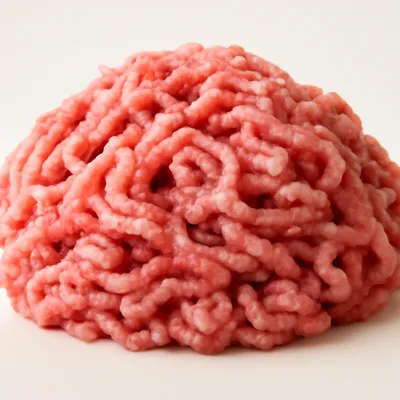

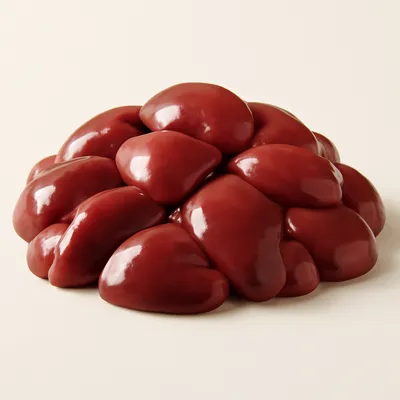

Vincisgrassi is the Marche region's grand feast lasagna, often confused with Bolognese lasagne alla bolognese but distinctly different. The name's origin is debated — popular folklore says it comes from Austrian general Alfred von Windisch-Graetz, who occupied Ancona in 1799 and supposedly had the dish made for his troops (probably myth — the dish is documented in Marche cookbooks earlier than 1799). The defining features: pasta sheets enriched with vin santo (sweet wine) in the dough; a ragù of mixed meats including offal (chicken giblets, sometimes sweetbreads), prosciutto, and dried porcini mushrooms; béchamel as the binder; and traditionally white truffle from Acqualagna shaved over the top in autumn. The dish takes a full day to prepare and is the centerpiece of Marche Sunday lunches and feast days.
A square of vincisgrassi cut from the dish reveals 7 layers when you look at the cross-section: pasta-ragù-béchamel stacked in geological strata, the bottom layers darker with absorbed juice, the top layers crispy where they kissed the oven. The flavor is denser and richer than Bolognese lasagne — the offal in the ragù gives a mineral-iron depth that ground beef alone can't reach, the porcini layer in earthy mushroom depth, the prosciutto a salt-meat backbone. Add white truffle on top and the dish hits a different register entirely. Each square serves one person — anything bigger is heroic.
Offal (chicken livers and giblets) in the ragù is essential to vincisgrassi's character — it provides a depth that purely-muscular meats can't match. The vin santo in the pasta dough adds a subtle sweetness that balances the ragù's richness; standard egg pasta would taste flat in such a heavy dish. The 7 layers are not random — too few layers and the dish feels heavy and one-note, too many and the pasta dominates over the ragù. The 40-minute high-temp bake creates the crispy top that contrasts with the soft interior; longer cooking dries it out.
Variations
Marche canonical uses chicken offal + dried porcini + white truffle (when in season); Ancona coastal variant skips truffle and adds seafood (a fish-vincisgrassi — controversial); modern Macerata restaurants serve mini-vincisgrassi as a starter; commercial supermarket vincisgrassi exist but use only ground meat (no offal — flatter); the dish absolutely requires a long-cooked ragù; quick-cook versions fail; some 17th-century recipes specify the dish be made the day before and reheated (sensible advice).
On the Palate
Where Vincisgrassi sits in the Italian flavor cloud
Ingredients
Serves 8






How it's made
8 steps · 2 hours 30 min active + 2 hours 30 min waiting
- 133 min
Soak 30g dried porcini in 200ml hot water 30 min; strain, reserve liquid, chop mushrooms.
- 220 min
Make ragù: in a heavy pot, brown 300g ground beef + 200g ground pork + 100g pancetta (diced) + 200g chicken livers and giblets (finely chopped) in 4 tbsp olive oil + 1 diced onion + 1 diced carrot + 1 diced celery + 2 minced garlic cloves, 15 min. Add 100g chopped prosciutto + the chopped porcini. Cook 5 min.
- 3152 min
Add 1 cup white wine; reduce 5 min. Add 600g passata + the porcini liquid + 1 tsp salt + black pepper + 2 bay leaves + 1 sprig rosemary + grated nutmeg. Cover; simmer on low 2.5 hours, stirring occasionally. Discard bay and rosemary at end.
Watch outKeep the ragù at the barest low simmer, just an occasional lazy bubble, for the full 2.5 hours until it's glossy and thick, not soupy.
- 442 min
Make pasta dough: pile 400g 00 flour, well in center, add 4 eggs + 50ml vin santo (or sweet wine) + pinch of salt + 1 tbsp olive oil. Knead 10 min until smooth. Rest 30 min.
- 512 min
Make béchamel: in a saucepan, melt 60g butter; whisk in 60g flour; cook 2 min. Slowly whisk in 700ml warm milk; bring to gentle boil, stirring; cook 5 min until thickened. Off heat, add 1/2 tsp nutmeg, salt, white pepper, and 50g grated parmigiano.
Watch outThe béchamel is right when it coats the back of a spoon and a finger swiped through leaves a clean line; too thin and the layers slide apart.
- 618 min
Roll pasta dough into sheets 1mm thick; cut into rectangles to fit your baking dish (about 30x20cm). Blanch sheets briefly in salted water (45 sec); shock in cold water; pat dry on towels.
- 718 min
Assemble: butter a deep 30x20cm baking dish. Spread thin layer of béchamel. Layer: pasta sheet → ragù → béchamel → grated parmigiano. Repeat for 7 layers total, finishing with a generous pasta-ragù-béchamel-parmigiano top.
- 855 min
Bake at 180°C / 350°F for 40 min until top is deeply golden and edges are crisp. Rest 15 min before cutting. Optional: shave 10g fresh white truffle from Acqualagna over hot vincisgrassi at table just before serving (October-December only).
Watch outPull it the moment the top is deep golden with crisp edges and the béchamel is bubbling at the sides; that contrast of crisp top and soft middle is the goal.
Archive tool suggestions — not reviewed
These legacy suggestions have not been evidence-reviewed and are not presented as required tools.

Hand-held wire loop tool for beating eggs, whipping cream, emulsifying dressings, and incorporating air into batters. Balloon whisks (large round head) for whipping cream and meringues; French whisks (narrow tear-drop) for sauces in pots; flat whisks (gravy) for pan sauces. Stainless steel is universal; silicone-coated for non-stick pans.

Round metal pot, 14-26 cm diameter, with vertical walls and a long handle, designed for sauces, soups, oatmeal, rice, boiled vegetables. The vertical walls minimize evaporation (vs. a sauté pan). Sizes: 1 qt for melting butter, 2-3 qt for sauces, 4 qt for soups. Stainless-steel-clad aluminum or copper is best for conduction; cast-iron is too thick for delicate sauces.


