Umbrian unleavened flatbread — soft wheat dough cooked on a hot terracotta or cast-iron testo (griddle-stone), traditionally split open and stuffed with prosciutto, cured meats, sausage and grilled greens, or melted cheese.



Torta al testo is the everyday bread of Umbria, particularly around Perugia and the Tiber valley. The name 'testo' refers to the flat cooking stone — originally a thick disc of refractory clay heated over wood embers, later cast iron. Etruscan settlers in Umbria were baking flat unleavened bread on hot stones 2500 years ago; the modern torta is a direct continuation. The dough is unleavened (no yeast) or minimally leavened (sometimes a touch of baking soda) — its character comes from the high-heat hot-stone cook that creates a crisp blistered crust and tender interior in minutes. The torta is always split horizontally with a knife and stuffed for eating in hand: at Umbrian fairs and feast days, queues form at torta-al-testo stands serving stuffed combinations of prosciutto, salume, sausage-and-greens, or pecorino-and-honey.
Tear off a torta hot from the griddle — it's blistered, golden-spotted on the outside, soft and chewy inside, neither bread nor pancake but something between. Split it open: hot steam billows out. Layer in prosciutto di Norcia and the salt-rich cured pork wilts slightly against the warm dough. Fold and eat in two hands. The flavor is mostly the bread itself — clean, wheat-y, faintly olive-oily from the dough; the prosciutto adds salt and silk. The thing is intentionally simple. At every Umbrian feast there's always a torta-al-testo stand and always a line.
The very hot cooking surface is essential — 250-280°C is the target, hot enough to flash-cook the bread's exterior into blister-spots before the interior has time to dry out. Baking soda (not yeast) creates a tiny lift via reaction with the natural acids in the flour, just enough to prevent the bread from being dense. The 4-minute cook is critical: longer and the bread dries; shorter and the inside is raw. Cast iron retains heat better than non-stick — non-stick pans don't reach high enough temperature for proper blistering.
Variations
Perugia classic uses water + baking soda; Trasimeno lakeside variant adds white wine to the dough (slightly richer); the 'crescia di Pasqua' (Easter version) is yeasted and enriched with cheese; modern bakeries sell pre-cooked torta vacuum-packed (decent but not ideal); the hot-griddle method on a home stove works but a wood-fire ember pit (used to be standard) gives unmatched flavor.
On the Palate
Where Torta al Testo sits in the Italian flavor cloud
Ingredients
Serves 6
How it's made
5 steps · 25 min active + 35 min waiting
- 140 min
Make dough: in a large bowl, mix 500g 00 flour + 1 tsp baking soda + 2 tsp salt. Add 250ml warm water + 50ml olive oil. Mix until shaggy, then knead 8 min on a floured surface until smooth. Cover; rest 30 min.
- 28 min
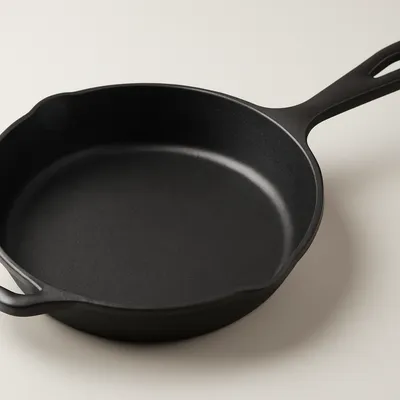
Heat cooking surface: place a 30cm cast-iron skillet or a thick stone griddle over medium-high heat for 8 min. The surface should be VERY hot — flick water on, droplets should dance and evaporate immediately.
Watch outThe surface has to be blazing hot before the dough touches it — flick on a drop of water; it should skitter and vanish at once, not just steam.
- 36 min
Divide dough into 4 balls (each ~200g). Roll each into a disc 25cm diameter, 6mm thick. Pierce all over with a fork to prevent ballooning.
- 45 min
Cook one disc at a time on the hot griddle: 2 min per side, pressing edges down with a spatula. The dough should blister and brown in spots. Total 4 min per torta. Stack between clean towels to keep warm.
Watch outCook only about two minutes a side — you want charred blister-spots on a bread that's still soft; go longer and it dries out stiff.
- 56 min
Serve immediately: while still warm, slice each torta horizontally with a serrated knife (open like a pita). Fill with one of: 5-6 slices prosciutto di Norcia + arugula; sautéed greens (chard/spinach) + crumbled sausage; mortadella + pecorino; or simply with crushed walnuts and honey. Eat folded in half by hand.
Archive tool suggestions — not reviewed
These legacy suggestions have not been evidence-reviewed and are not presented as required tools.