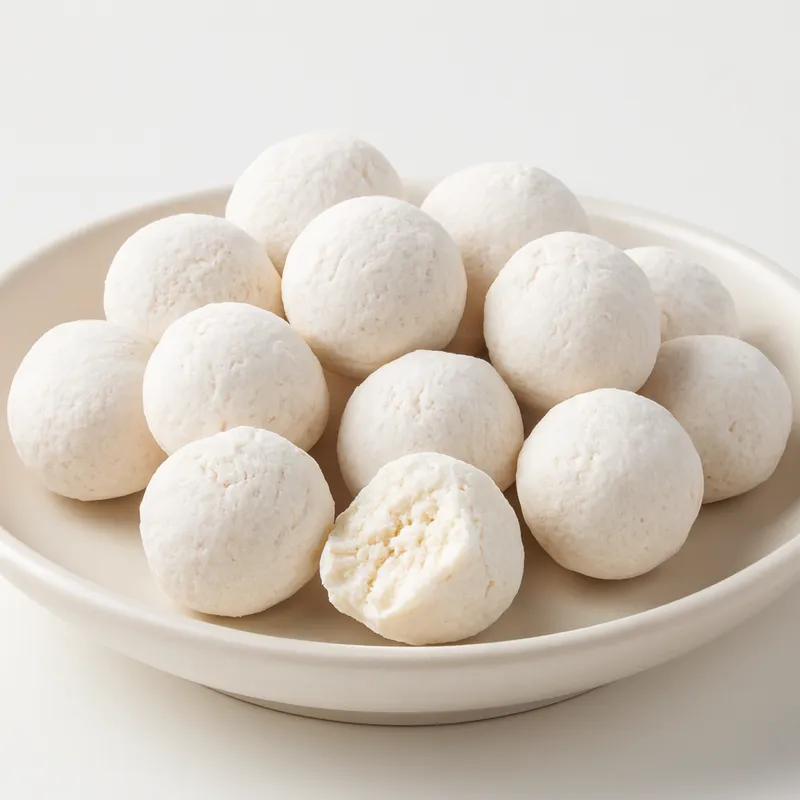
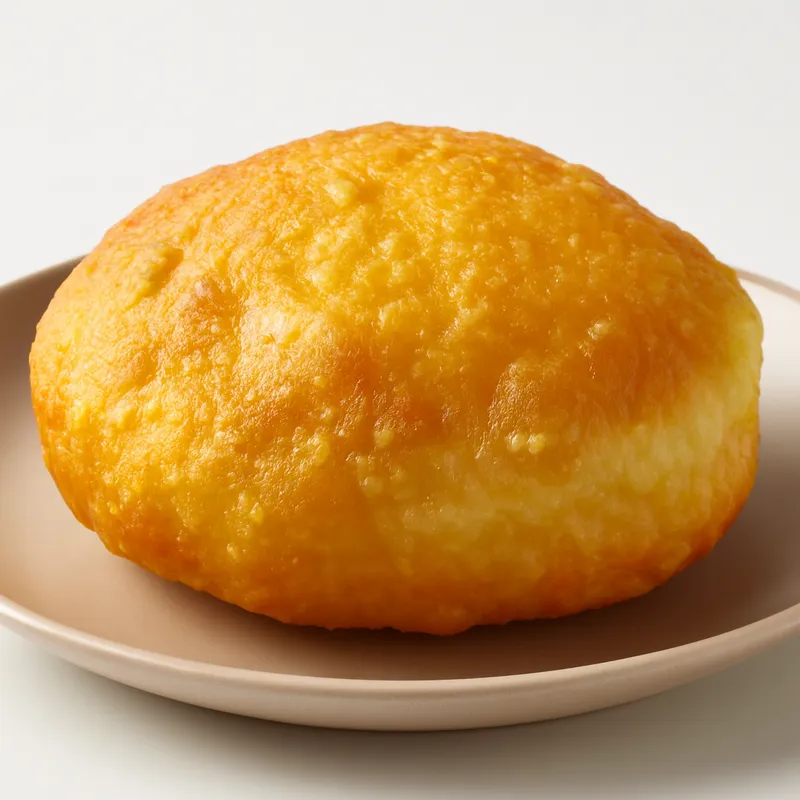
Walnut-and-raisin slab bound by reduced grape molasses, pressed dense and sliced thin — Xinjiang's bazaar candy, popularly called 'cut cake'.

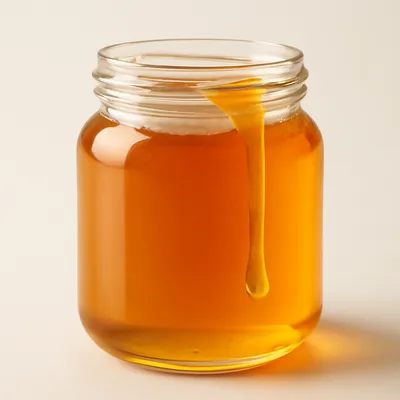

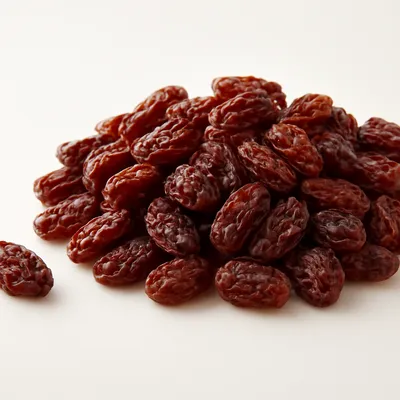


Madang (Uyghur 'matang', popularly called 'qiegao' or 'cut cake') is the bazaar candy of Xinjiang, sold from stacks of bright-colored slabs at the Sunday markets of Kashgar, Turpan, and Hotan. Grape juice is slow-boiled to a thick molasses that binds walnuts, raisins, sesame, and sometimes almonds, dates, or rosewater; the warm mass is packed into a sturdy wooden trough and pressed under weighted boards until dense, then cut into slabs and weighed out by the gram. Kashgar and Hotan in southern Xinjiang are regarded as its birthplace, and it has served Silk Road caravans as a keeping, portable, calorie-dense ration for centuries. Earthy-sweet, firm and slightly chewy, occasionally floral from rosewater.
A slab of caramel-sticky candy studded with walnuts, raisins, and sesame, cut into rectangular pieces sold by weight at the bazaar. Sweet, slightly bitter from walnut, and dense enough that one piece lasts a long chew.
Madang's density comes from pressing, not from hard-crack sugar. Grape juice is slow-reduced to a thick molasses that acts only as a binder — well below candy temperatures — then the warm nut-and-fruit mass is packed into a wooden trough and compressed under heavy weighted boards, forcing out moisture and setting the nuts and syrup into a single dense slab. The grape molasses replaces refined sugar in the desert oasis.
Variations
Turpan madang uses local grape molasses; Hotan versions may add dates or date molasses for a darker color; the proportions of walnut, almond, raisin, and sesame vary by region with the local harvest, but the grape-molasses binder and the pressed-slab method stay constant.
On the Palate
Where Madang sits in the Uyghur flavor cloud
Ingredients
Serves 4
How it's made
5 steps · 1 hour 2 min active + 28 min waiting
- 118 min
In a heavy pot, combine 400g sugar, 200g grape molasses (or honey + a tablespoon of dark grape juice), 100ml water, 1 tsp lemon juice. Bring to a boil over medium heat.
- 218 min
Cook to hard-crack stage (148°C / 300°F) without stirring — about 15 min. Watch closely: when amber and a drop in cold water snaps.
Watch outDon't stir, and pull it at hard-crack — drop a bead into cold water and it should snap clean; too soft and the slab stays sticky and won't cut.
- 318 min
Quickly stir in 200g toasted walnut pieces, 150g golden raisins, 80g toasted sesame seeds, 1 tsp rosewater.
Watch outWork fast folding in the nuts while the syrup is still fluid — it stiffens as it cools, and once it grabs you can't coat everything evenly.
- 418 min
Pour onto a parchment-lined slab or marble. Press flat with an oiled spatula to 1.5cm thickness.
- 518 min
Cool 30 min until just hard enough to cut. With a heated heavy knife, score and cut into 4cm × 2cm pieces. Cool fully before storing. Eat with green tea.
Watch outCut while it's just set and still slightly warm — let it go stone-cold first and it shatters instead of slicing into clean pieces.
Archive tool suggestions — not reviewed
These legacy suggestions have not been evidence-reviewed and are not presented as required tools.