
A clear, quivering jelly served cold in dark brown-sugar syrup, the Chengdu summer's signature street dessert. The gel is set — without any cooking — from the seeds of the apple-of-Peru plant, hand-rubbed in water until their pectin runs out, then fixed with a touch of limewater. The Sichuan bowl is the toppings-rich one: brown-sugar syrup poured over jiggling jelly, then heaped with hawthorn, raisins, crushed peanuts, fermented-rice wine, sesame and chewy glutinous-rice cubes. The same plant-set jelly is known across the southwest; in Chengdu it is one of the summer trio with liangxia and liangao.



Bingfen is a southwestern summer sweet, most often placed in Sichuan, and the jelly itself is the firm fact: it is set from the seeds of the apple-of-Peru, a nightshade native to Peru that naturalized across China and goes by folk names like ice-jelly tree and stone-flower tree. The origin tales are told as legend, not history — the best-known has a young woman in Ming-or-Qing Pengshan finding that seeds caught in her sachet left a liquid that set into jelly, and other counties such as Puge claim the dish too. What is solid is the technique: the uncooked seed-pectin gel, eaten cold in brown-sugar water. In Chengdu it became a beloved hot-weather street dessert, sold from shoulder-pole stalls and now from shopfronts, and the modern fashion is to pile it deep with toppings.
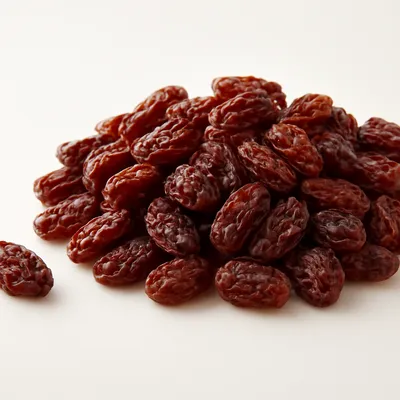
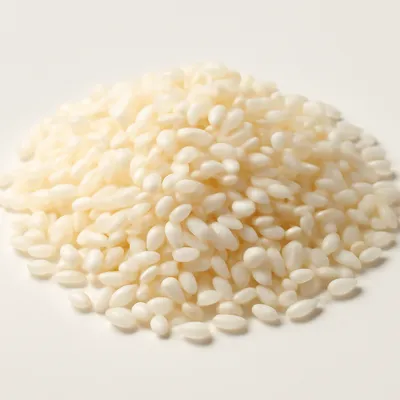
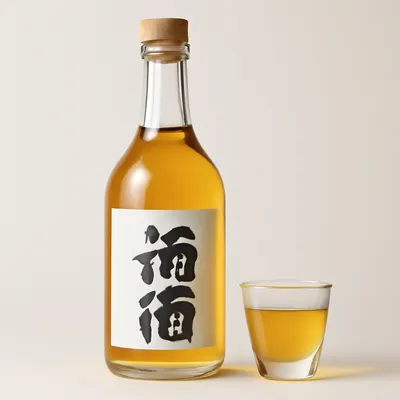
The jelly is glass-clear and quivers like set water, holding tiny trapped air bubbles from the rubbing; it has a clean, jiggly snap that breaks soft on the spoon, all but flavorless on its own. The flavor is the syrup: dark brown sugar, faintly caramel and molasses-deep, sometimes scented with osmanthus, poured cold and loose. Then come the toppings — sour-sweet hawthorn, sticky raisins, crushed peanuts and toasted sesame for crunch, boozy fermented-rice wine, and chewy glutinous-rice cubes — so each spoon is cold, slippery, sweet, sour and crunchy at once. Against liangxia it reads cleaner and clearer, a crisp snap where liangxia is soft and starchy.
Bingfen is set cold, and that is the whole trick. The seeds of the apple-of-Peru are coated in pectin — long chains of galacturonic acid — and crucially it is low-methoxyl pectin, which cannot gel on sugar and acid alone the way jam does. Rubbed in water inside a cloth, the seeds release this pectin into solution; a splash of clear limewater (or gypsum water) then supplies calcium ions, and the divalent calcium bridges the negatively charged carboxyl groups on neighboring pectin chains, zipping them into the classic 'egg-box' lattice. That cross-linked network traps the water into a clear, wobbling gel — no heat required, which is exactly why bingfen stays glassy and clean-tasting. This is a different chemistry from its cousins: liangxia and liangao are built by cooking rice starch (liangao further set with gypsum), and liangfen is a cooked starch gel — all starch and heat, where bingfen is uncooked plant pectin cross-linked by calcium.
Variations
The Chengdu street style is the maximalist one — red-sugar bingfen heaped with hawthorn, raisins, crushed peanuts, fermented-rice wine, sesame, dried osmanthus and glutinous-rice cubes — while a plainer bowl keeps just the brown-sugar syrup. Some shops scent the syrup with osmanthus or add a squeeze of citrus, and chilled with crushed ice it is pure heat-relief. Two cautions on authenticity: the hand-rubbed apple-of-Peru gel is the real thing, but many stalls now substitute a powdered Cantonese white-jelly (a konjac or carrageenan set) sold as bingfen; and three relatives should be kept apart — liangxia is soft rice-jelly droplets, liangao is gypsum-set rice jelly in blocks, and liangfen is a savory starch-noodle gel.
On the Palate
Where Sichuan Bingfen sits in the Chinese flavor cloud
Ingredients
Serves 4How it's made
6 steps · 20 min active + 2 hours 10 min waiting
- 15 min
Spoon the apple-of-Peru seeds into a clean cloth bag and tie it; soak briefly in cool pre-boiled water.
- 28 min
Rub the bag steadily underwater with both hands until the water turns slick and viscous with pectin — several minutes; this is the work that decides whether it sets.
Watch outRub the seed bag until the water turns slick and ropes off your fingers — this is the step that decides whether it sets at all.
- 33 min
Stir in a small amount of clear limewater (calcium), mix gently and evenly, then skim off any surface foam.
Watch outStir the limewater in gently and evenly — too much and it turns bitter, too little and the pectin never cross-links to set.
- 4120 min
Pour into a flat container and leave undisturbed to set, then chill in the refrigerator until firm and clear.
- 510 min
Make the syrup: dissolve brown sugar in hot water into a loose dark syrup and let it cool completely.
- 64 min
Cut or scoop the set jelly into a bowl, pour the cold brown-sugar syrup over, and top with hawthorn, raisins, crushed peanuts, fermented-rice wine, sesame and glutinous-rice cubes; serve cold.


