
A Xi'an summer sweet: a plain glutinous-rice zongzi with no filling, boiled, then chilled until firm. The cold rice cake is unwrapped, sliced through with a length of cotton thread (a knife would drag and tear it), fanned out on a plate, and drizzled with honey and an osmanthus-sugar syrup called 黄桂, sometimes with rose syrup as well. Pyramidal and white as jade, it is eaten cold and is a fixture of the Hui Quarter (回民街) and of the Dragon Boat Festival (端午) and the hot months across the Guanzhong plain and southern Shaanxi. Unlike a savory or sweet-filled zongzi, it carries nothing inside; the rice's own faint sweetness is the point, lifted only by the honey and osmanthus on top.




Cold honey zongzi belong to the wheat-and-rice sweets of Xi'an and the wider Guanzhong region, where they are sold in the Hui Quarter (回民街) and eaten in summer rather than only at the Dragon Boat Festival. By tradition the form is traced to the Tang dynasty banquet table: a fillingless sweet rice dumpling dressed and served cold is associated with the 烧尾宴, the celebratory feast of the high Tang, under a dish-name read as 赐绯含香粽 ('crimson-bestowed fragrant zongzi'), and Tang poetry on zongzi (lines attributed to Yuan Zhen) is often cited for it. The exact origin is unrecorded and the Tang attribution is traditional rather than documented in a single firm text, but the dish's identity is clear: a Shaanxi summer cooling food whose method — boil plain glutinous rice in leaves, chill, slice, and dress with honey and osmanthus — has changed little. It is now counted among the best-known snacks of the Xi'an Hui Quarter.
A good cold zongzi is dense and cool, the rice pressed into one springy translucent mass that you can lift in clean slices; it should be筋 (chewy-elastic) and never gummy or grainy, with a faint reed scent left by the leaves. The honey runs down into the cuts and the osmanthus syrup gives a high floral sweetness, so each cold, soft, chewy bite finishes sweet and aromatic. Eaten chilled it is genuinely cooling in summer heat. A poorly made one is loose and falling apart because the rice was under-soaked or under-boiled, or pasty and sour because it has sat too long; or it is drowned in syrup so the clean rice taste is lost.
Everything turns on the glutinous rice and on cold. Glutinous (sticky) rice is almost all amylopectin, the branched starch that swells and gels but does not retrograde into separate grains, so boiled and pressed it sets into one cohesive, springy block. Long soaking before boiling lets water into the grains so they cook through evenly and bind; a long, gentle boil fully gelatinizes the starch. Chilling is not just for serving temperature — as the cooked starch cools it firms and tightens (partial retrogradation), which is exactly what gives the cold cake its sliceable, chewy 筋 texture and stops it being soft and sticky like a hot zongzi. The cotton thread cuts cleanly where a blade would smear, because the sticky surface drags on steel but slides under a taut wire. Honey and the osmanthus-sugar syrup (黄桂) sit only on the surface as a sweet, aromatic dressing; with no filling, the rice and its leaf scent carry the dish.
Variations
The standard dressing is honey plus 黄桂 (osmanthus-sugar) syrup; many stalls add 玫瑰 (rose) syrup, and some offer a brown-sugar (红糖) or white-sugar (白糖) version instead of honey. The rice is usually plain white glutinous rice, though a few add red dates or a little 江米 blend. It is the cold, fillingless cousin of the ordinary zongzi (粽子) eaten across China at the Dragon Boat Festival — those are wrapped around fillings of pork, salted egg yolk, or red-bean paste and eaten hot or warm; the Xi'an version keeps the rice empty and serves it chilled as a sweet. The same idea of a cooling sliced rice sweet appears across Guanzhong and southern Shaanxi in summer.
On the Palate
Where Honey Cold Zongzi sits in the Chinese flavor cloud
Ingredients
Serves 4How it's made
6 steps · 40 min active + 5 hours 20 min waiting
- 110 min
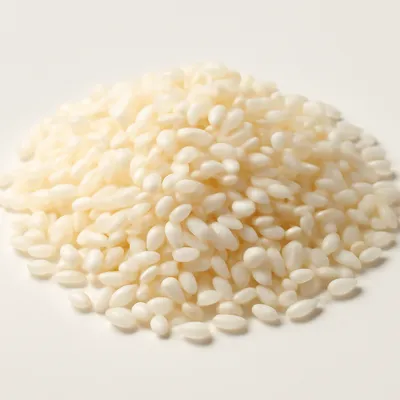
Rinse white glutinous rice and soak it in cold water for at least 4-6 hours (or overnight) until the grains are fully swollen.
Watch outSoak the glutinous rice 4 to 6 hours until fully swollen — under-soaked grains cook unevenly and won't bind into one cohesive block.
- 225 min
Soften the reed or bamboo leaves in hot water, then fold each into a cone, fill with drained soaked rice (no filling), and wrap into a tight pyramidal zongzi, binding firmly with string.
- 3180 min
Lower the zongzi into a deep pot of water, weight them so they stay submerged, and boil gently for 2-3 hours until the rice is fully cooked and cohesive; let them cool in the water.
- 4240 min
Drain and chill the cooked zongzi thoroughly, several hours or overnight, until cold and firm.
Watch outChill the cooked zongzi thoroughly, hours or overnight — the cold firms the starch into that sliceable, chewy 筋 texture; warm it just falls apart.
- 55 min
Unwrap a cold zongzi and use a length of cotton thread to slice it cleanly into rounds or wedges, laying them out on a plate.
Watch outSlice with a taut cotton thread, not a knife — a blade drags and smears the sticky cake instead of cutting clean.
- 63 min
Drizzle generously with honey and osmanthus-sugar syrup (黄桂), adding a little rose syrup if liked; serve cold.
Archive tool suggestions — not reviewed
These legacy suggestions have not been evidence-reviewed and are not presented as required tools.


