
Hotan sits on the southern Silk Road, and its walnuts — large, oily, sweet — are famous across Xinjiang. Hotan and Kashgar in southern Xinjiang are reckoned the home of this pressed walnut sweet, and its story is tied to the caravan trade: traders crossing the Taklamakan favored autumn and winter to avoid the summer heat, but winter offered few portable, long-keeping rations, so — by local lore — Uyghur merchants had Hotan physicians devise this confection. Walnuts (along with raisins, sesame, and almonds) are pounded into thick boiled grape syrup, pressed firm while hot between sheets, cooled, and cut into small squares — high-calorie, shelf-stable, instantly energizing, a slab enough to carry a traveler across the desert. Eaten with a sip of bitter green tea to cut the sweetness. It has been made in Hotan for centuries.
A slab of caramel-sticky candy dense with walnut chunks. Cut into rectangular pieces and sold at bazaars by weight. Sweet-bitter from the walnuts; the candy itself is barely caramelized — the walnuts carry it.
Walnut oil is unusually high in alpha-linolenic acid (the omega-3), which oxidizes rapidly — this is why walnut halwa goes rancid within weeks rather than months. The syrup acts as an oxygen barrier, slowing the oxidation; refrigeration extends shelf life further. The traditional binder is grape syrup, prized because its high viscosity grips many walnuts with little sugar, so the sweet stays nutty rather than cloying.
Variations
Hotan's southern-Xinjiang walnut version is the regional standard; Kashgar versions add raisins; Turpan versions use grape molasses instead of refined sugar — same walnut, three sweetener bases.
On the Palate
Where Hotan Walnut Halwa sits in the Uyghur flavor cloud
Ingredients
Serves 4

How it's made
5 steps · 42 min active + 18 min waiting
- 112 min
Toast 400g walnut halves in a 160°C oven 8 min until fragrant; cool slightly.
- 212 min
In a heavy pot, combine 250g sugar with 100ml water and 1 tsp lemon juice. Bring to a boil over medium heat; cook to soft-ball stage (115°C / 240°F), about 8 min.
Watch outAt soft-ball the syrup thickens, bubbles get glassy and slower, and a drop in cold water rolls into a soft ball — that's 115°C, cut the heat the instant you hit it.
- 312 min
Add the toasted walnuts; stir to coat. Continue cooking 3 min — the sugar will crystallize slightly around the walnuts.
Watch outAs you stir the walnuts in, a bit of the sugar will crystallize and cling around them with a faint frosted look — that grainy coating is right, not a failure.
- 412 min
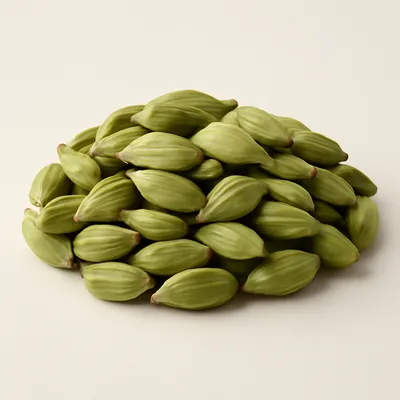
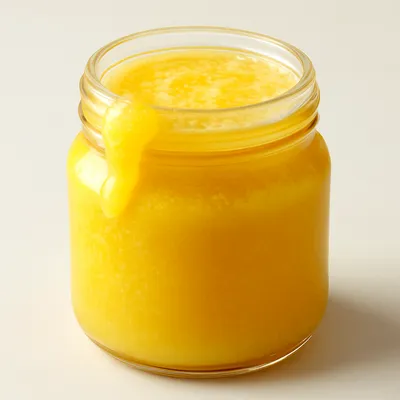
Remove from heat. Stir in 1 tbsp rosewater, ½ tsp ground cardamom. Add 2 tbsp melted ghee to bind.
- 512 min
Press into a parchment-lined 20cm square pan, 1.5cm thick. Cool 30 min until firm enough to cut. Slice into 3cm squares. Store airtight 2 weeks. Eat with green tea.
Watch outPress it into the pan firmly and evenly while hot so the slab is dense and won't crumble at the cut; test with a knife at about 30 minutes — firm but not rock-hard is the moment to slice.
Archive tool suggestions — not reviewed
These legacy suggestions have not been evidence-reviewed and are not presented as required tools.