The Indian marriage of two traditions: a slice of dense, slow-frozen kulfi (the Indian frozen dairy dessert) set over falooda — fine vermicelli, soaked sabja (basil) seeds, rose syrup, and chilled milk. The Persian faloodeh traveled to India with the Mughals, and kulfi is its Indian-made partner; together they are North India's most beloved cooling dessert.


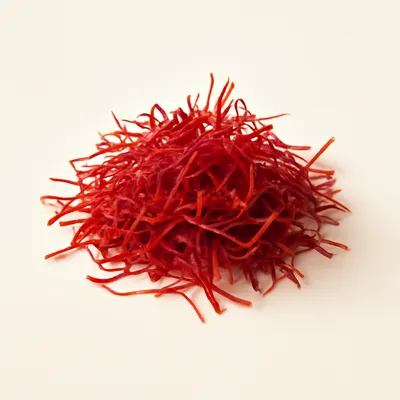
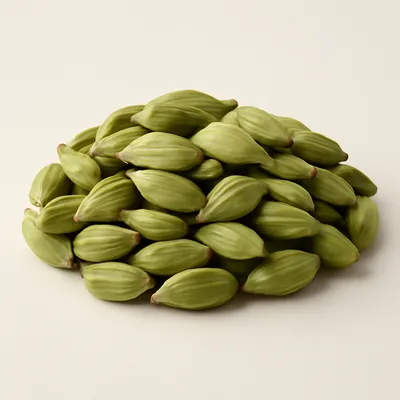


Kulfi falooda is a compound dessert that brings together two older traditions. Falooda descends from the Persian faloodeh — thin vermicelli frozen with rose syrup and ice, one of the world's oldest frozen desserts, made possible by the yakhchal (ancient Persian ice houses) — which traveled to India with the Central Asian and Persian cooks who came during the Mughal era and was adapted with the addition of milk, sabja (basil) seeds, and finer vermicelli. Kulfi is its Indian-made counterpart: dense, slow-frozen dairy dessert made by reducing milk for hours until its solids concentrate, sweetening it, flavoring with cardamom, saffron, and nuts, and freezing it without churn — the technique described in Ain-i-Akbari, the 16th-century Mughal chronicle, which records kulfi made in the imperial kitchens by freezing the milk mix in metal cones packed in salt and ice. The pairing of the two — a slice of kulfi set over a glass of falooda — is a distinctly North Indian innovation of the Mughal and post-Mughal cities, refined in the Awadhi and Delhi sweet kitchens. The dessert is served cold, especially through the North Indian summer.
A dense, slow-melting slab of cardamom-saffron kulfi against the cold, sweet, rose-perfumed slip of milk, vermicelli, and popping basil seeds.
Kulfi and falooda work by opposite freezing physics. Kulfi is dense because its milk is reduced for hours until its solids (sugars, proteins, minerals) concentrate to a level that suppresses the formation of large ice crystals when it freezes; without churning, those small crystals remain small, giving a smooth, chewy, almost custard-like texture that melts slowly on the tongue. Falooda's vermicelli, by contrast, is cooked and chilled, not frozen — it provides a soft, yielding texture in the cold milk; the sabja seeds, soaked, swell into gel-coated beads that pop in the mouth, their mucilage holding cold water and giving a refreshing mouthfeel. The rose syrup supplies sweetness and the floral aroma that contrasts with kulfi's dairy richness, and the cold temperature of all components suppresses sweetness perception slightly, which is why the dessert tastes balanced rather than cloying despite its sugar.
Variations
Mango and pistachio kulfis are common; a modern street form layers jelly and canned fruit, and some versions use only falooda without the kulfi.
On the Palate
Where Kulfi Falooda sits in the Indian flavor cloud
Ingredients
Serves 6How it's made
6 steps · 30 min
- 125 min
Boil full-cream milk for a long time, stirring, until it reduces and thickens considerably.
Watch outBoil the milk down long and slow until it's thick and reduced — concentrating the solids is what keeps ice crystals tiny, giving kulfi its dense, smooth chew.
- 25 min
Sweeten with sugar, then flavor with cardamom, saffron, and ground pistachio.
- 38 min
Pour the reduced milk into kulfi molds and freeze until solid, without churning.
Watch outFreeze the molds solid without churning — the concentrated milk keeps the crystals small on its own; stirring would ruin the smooth set.
- 45 min
Cook fine falooda vermicelli until just tender, drain, and chill.
- 55 min
Soak sabja (basil) seeds in water until they swell, then drain.
- 64 min
In a glass, layer rose syrup, chilled milk, sabja seeds, and vermicelli; unmold a kulfi on top and serve at once.
Archive tool suggestions — not reviewed
These legacy suggestions have not been evidence-reviewed and are not presented as required tools.



