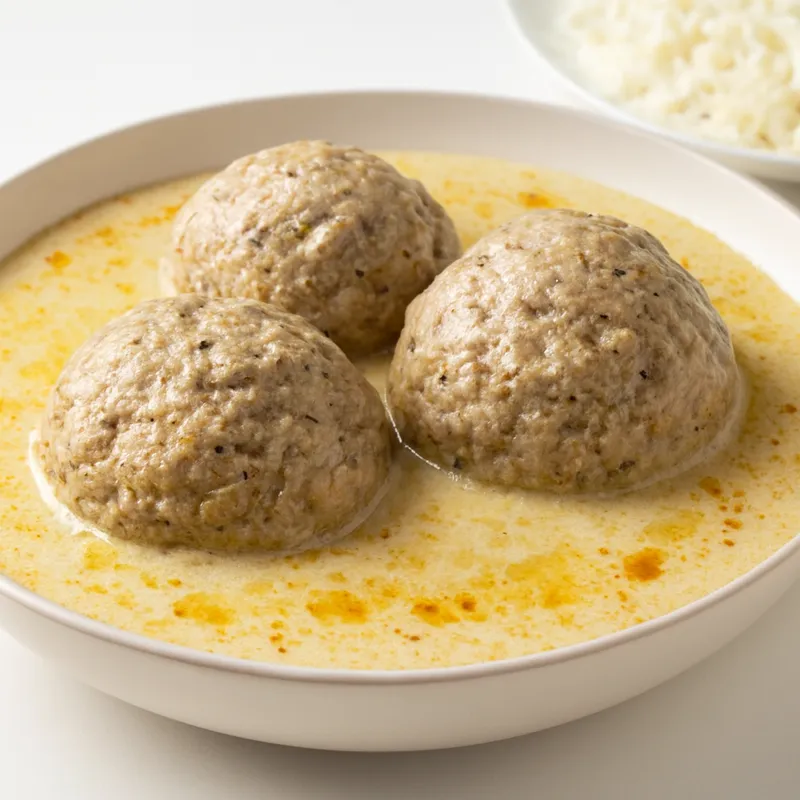
Petha is a translucent candied sweet made from the white ash gourd (winter melon), the signature confection of the city of Agra. Cubes or slices of the gourd are pricked, treated with food-grade lime (slaked lime) to firm them, blanched, then simmered in sugar syrup until they turn glassy and saturated with sweetness while keeping a tender, juicy bite. It comes in several forms — wet and syrupy, drier and sugar-crusted, and the small soft angoori (grape-sized) pieces — and in flavours from plain to kesar (saffron), paan and fruit. Cool, clean and almost purely of sugar and gourd, it is sold by every sweet shop in Agra and carried home as the city's edible souvenir.




Petha is the defining sweet of Agra in Uttar Pradesh, and petha made there carries a Geographical Indication tag granted in 2011, which protects the name for the city's producers. Its origin is traditionally attributed to the Mughal era and, in the popular telling, to the kitchens of the emperor Shah Jahan in the 17th century — the period in which he commissioned the Taj Mahal in 1631 — as a cooling sweet suited to Agra's fierce summers; this Mughal-court attribution, while widely repeated and plausible given Agra's role as the imperial capital, is traditional rather than independently documented, and no contemporary record names an inventor. What is firmly established is that Agra has been the centre of petha-making for generations, with a dense cluster of confectioners trading on the city's name.
A translucent, faintly green-white cube, glassy and jewel-like in the wet style, frosted with a fine sugar crust in the dry. It is firm on the outside and yields to a tender, slightly fibrous, juicy interior that releases sweet syrup as you bite — soft but never mushy, with a clean snap to the dry kind. The flavour is straightforwardly, intensely sweet, cool and faintly vegetal from the gourd, lifted in flavoured versions by saffron, rose, or the betel-leaf note of paan petha. It is eaten at room temperature, often chilled, in small pieces.
Petha is a candying process that relies on lime to firm the gourd cell walls and on sugar drawing out and replacing the gourd's water. The peeled, deseeded ash gourd is cut and pricked all over, then soaked in a solution of food-grade slaked lime (calcium hydroxide): the calcium ions cross-link the pectin in the cell walls, firming the flesh so it stays intact and crisp-tender through long cooking instead of collapsing. After thorough rinsing and blanching to remove the lime and raw taste, the gourd is simmered in sugar syrup; over time, by osmosis, sugar moves into the flesh and water moves out, until the cubes become translucent and saturated — the hallmark glassy look. For the dry, sugar-crusted style the candied pieces are drained and dried so a fine sugar crust forms on the surface; the wet style is kept in syrup. The whole process, including soaking and resting, runs over many hours.
Variations
The main distinction is between wet petha kept in syrup and dry, sugar-crusted petha; the small, soft angoori petha is cut grape-sized and prized for its tenderness. Plain petha is colourless; kesar petha is saffron-gold, and there are paan (betel-leaf), rose, mango, coconut, chocolate and a range of fruit-flavoured pethas, as well as the bright-coloured varieties sold for festivals. Larger blocks of firmer petha are also used as a sweet in their own right. All begin from the same ash gourd and lime-and-sugar method.
On the Palate
Where Petha sits in the Indian flavor cloud
Ingredients
Serves 10How it's made
6 steps · 30 min
- 130 min
Peel and deseed the ash gourd and cut the firm flesh into cubes, then prick each cube all over with a fork.
- 2240 min
Soak the cubes in a solution of food-grade slaked lime and water for several hours to firm them.
Watch outSoak the pricked cubes in slaked-lime water — the calcium cross-links the pectin so the gourd stays firm and crisp-tender through long cooking instead of collapsing.
- 320 min
Rinse the cubes very thoroughly in several changes of water, then blanch briefly to remove the lime and raw taste.
Watch outRinse through several changes of water, then blanch — any lime left behind leaves a harsh, chalky taste in the finished candy.
- 4360 min
Make a sugar syrup and simmer the gourd in it, then let it rest in the syrup so the sugar saturates the flesh over several hours.
- 520 min
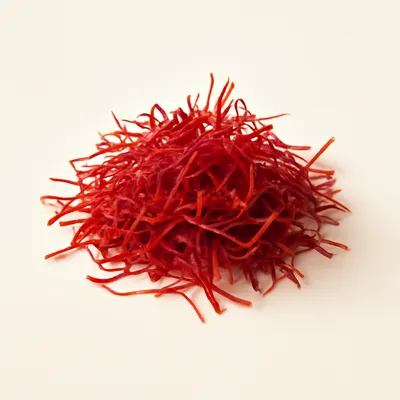
Bring back to a simmer and cook until the cubes turn translucent and glassy, adding saffron or other flavouring near the end.
Watch outSimmer until the cubes go translucent and glassy — that clarity means the sugar has replaced the water and the flesh is properly candied.
- 6480 min
For dry petha, drain the cubes and leave them to dry until a fine sugar crust forms; for wet petha, store in the syrup.
Archive tool suggestions — not reviewed
These legacy suggestions have not been evidence-reviewed and are not presented as required tools.