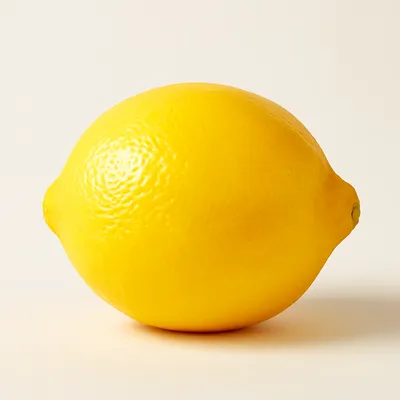
Wild or leafy greens — dandelion, amaranth (vlita), wild chicory, mustard greens, and others — boiled until tender and dressed simply with olive oil and lemon juice, eaten warm or at room temperature. It is the plainest and most fundamental dish on the Cretan and wider Greek table, the green backbone of everyday and Lenten eating. Foraged greens (horta) gathered from hillsides and field edges are central to the Cretan diet long studied for its longevity. The simplicity is the point: good greens, good oil, sharp lemon.


Gathering wild greens is one of the oldest food practices in Greece, reaching back through the rural diet to antiquity; the Greek countryside yields dozens of edible wild species across the seasons, and the knowledge of which to pick and when is passed down within families. On Crete the dish is inseparable from the island's traditional diet, which drew international scientific attention through the Seven Countries Study begun in the 1950s, when Cretans were found to have remarkably low rates of heart disease despite a fat-rich diet — the abundance of wild greens, olive oil, and pulses being a recurring explanation. Horta also became central to Greek Orthodox fasting, when meat and dairy are given up and greens dressed in oil and lemon carry the table.
Soft, silky, slightly bitter greens, glistening with olive oil and bright with lemon. Dandelion and chicory bring a pleasant bitterness; amaranth (vlita) is sweeter and more delicate. The cooking water (the bitter, mineral-green liquid left in the pot) is often drunk as a tonic. Eaten warm or cold, with bread to mop the lemony oil, and frequently alongside grilled fish or a wedge of feta. The whole pleasure is in the contrast of bitter green, fruity oil, and sharp acid.
Different greens want different cooking times, so tougher stems go into the boiling water first and tender leaves later, or each kind is cooked separately and combined — overcooking turns delicate greens to slime, undercooking leaves bitter ones harsh. Salting the water seasons the greens from within. The dressing is added only after draining and slight cooling, because lemon juice applied to hot greens dulls their colour, turning vivid green to drab olive. A generous hand with the olive oil is not optional; the oil carries the fat-soluble flavour and tempers the bitterness that makes raw wild greens hard to eat.
Variations
The mix of greens shifts with the season and the region — dandelion and chicory in cooler months, amaranth (vlita) in summer, wild fennel and mustard greens, even beet tops and zucchini leaves. Some are eaten boiled and dressed (horta vrasta), others sautéed (horta tsigarista). On Crete the foraged greens are especially prized; a related dish, stamnagathi (spiny chicory), is a Cretan specialty. Greens also fill savoury pies (hortopita) rather than being eaten plain.
On the Palate
Where Horta Vrasta sits in the Greek flavor cloud
Ingredients
Serves 4How it's made
6 steps · 15 min active + 15 min waiting
- 18 min
Trim and wash the greens thoroughly in several changes of water to remove all grit.
- 25 min
Bring a large pot of salted water to a rolling boil.
- 312 min
Add the tougher stems first, then the tender leaves, and boil until the greens are soft (about 8-15 minutes depending on type).
Watch outDrop tough stems in first and tender leaves later — a delicate green boiled as long as a stem turns to slime, while a bitter one pulled early stays harsh.
- 42 min
Drain well, reserving the cooking liquid if you wish to drink it.
- 55 min
Let the greens cool slightly so the lemon won't dull their colour.
Watch outLet the greens cool a little before the lemon goes on — acid hitting hot greens dulls their vivid green to a drab olive.
- 63 min
Dress generously with olive oil, lemon juice, and salt; serve warm or at room temperature.
Archive tool suggestions — not reviewed
These legacy suggestions have not been evidence-reviewed and are not presented as required tools.


