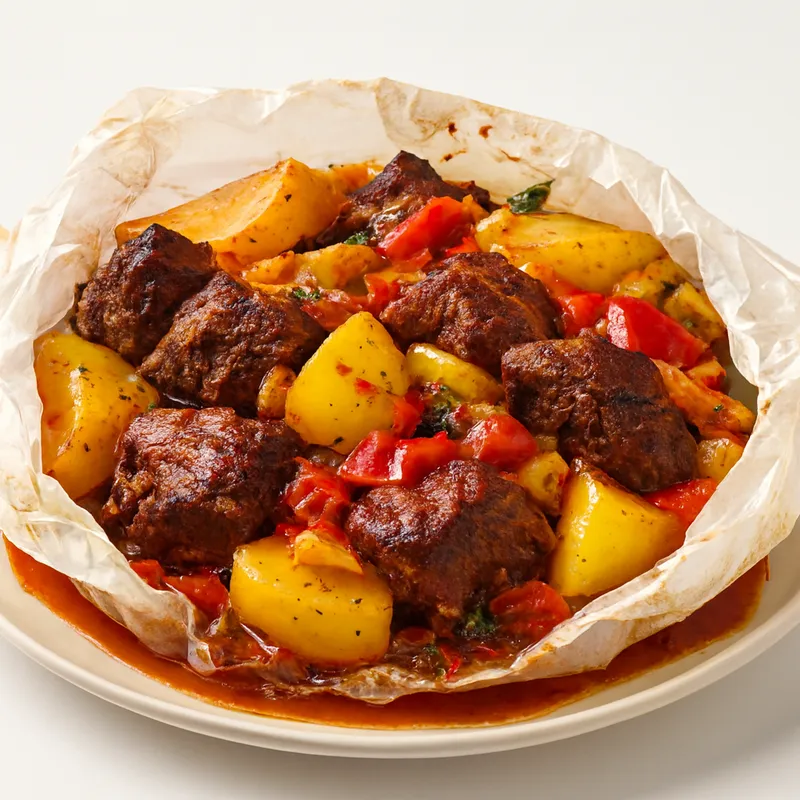
Cretan
Wild greens, olive oil monoculture, paximadi rusks — the longevity diet at home.
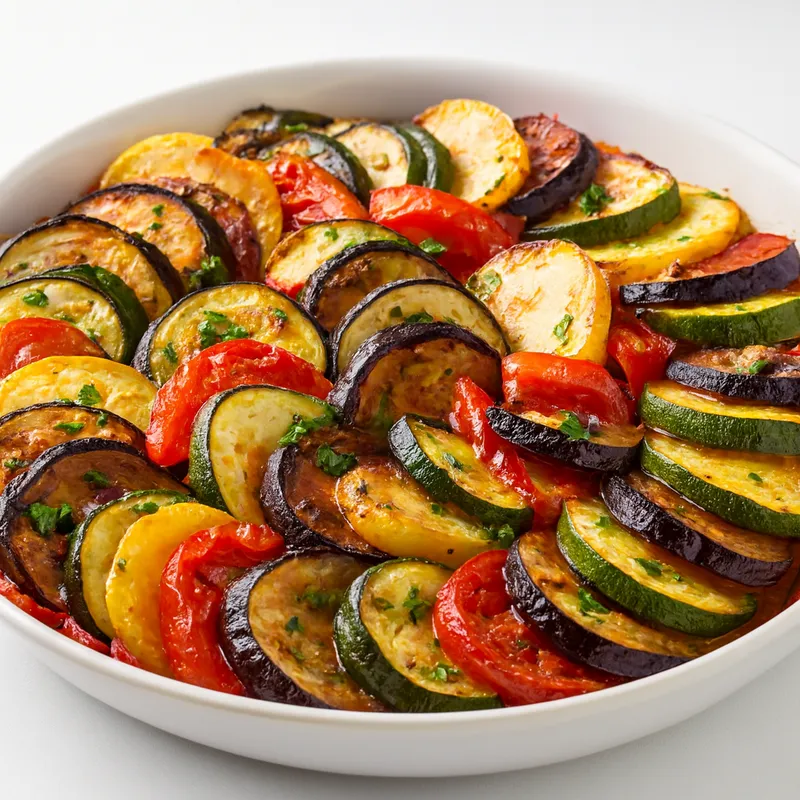
Briam
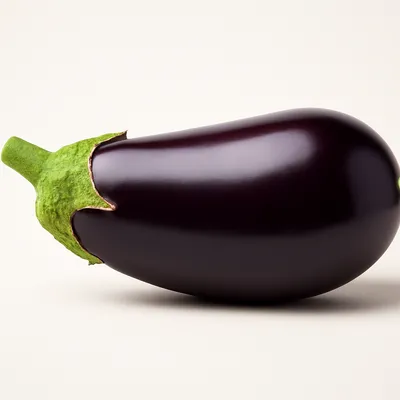
A vibrant medley of summer vegetables roasted to perfection with olive oil, garlic, and fragrant...
View page →A Cretan table looks austere at first — bread, oil, greens — until you taste it. The olive oil pours like syrup; the rusks (paximadi) have been hardened twice in the oven so they keep through the dry months; the wild horta picked from hillsides taste like nothing else, slightly bitter, deeply mineral. Off in the village, somewhere, a goat is being slow-braised, or a lamb is splayed onto wooden crosses around an open fire of olive wood. The smoke smell carries down the mountain.
Within Greece's regional kitchens, Crete is the one that grew up further from the rest. Three things define it: an olive oil monoculture so complete that the island uses more per capita than anywhere in the world, a longevity-driven plant-forward diet (the Seven Countries Study made it famous), and shepherds' techniques like antikristo and gamopilafo that survived the Venetians, the Ottomans, and three centuries of poverty. The food is plainer than mainland Greek — fewer spices, fewer compositions, more reliance on a single ingredient done well.
Start Here
Hard barley rusk softened with grated tomato and feta — the island's bruschetta, eaten cold all summer.
Why start here · The minimalist Cretan move — three good ingredients on stale bread, perfected.
Whole lamb splayed onto wooden crosses around an open fire — three hours of radiant heat, salt, and smoke.
Why start here · Watch a shepherd do this once and you'll never think about lamb the same way.
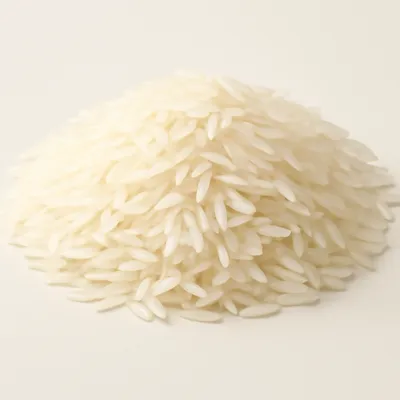
Wedding pilaf where rice is cooked in lamb-and-goat broth and finished with brown butter — the most luxurious thing on the island.
Why start here · Tastes like a wedding feels — slow, broth-rich, and just slightly sour at the end.
The Pantry






See all 44 ingredients›








Fruits



Grains & Staples


Dairy & Fats



Sauces & Condiments




How They Cook
Techniques that define this cuisine
Other regions
Siblings within Greek — each its own tradition.