Macedonian Greek
Phyllo, sausage, spice — Northern Greece's Ottoman-Balkan inheritance.
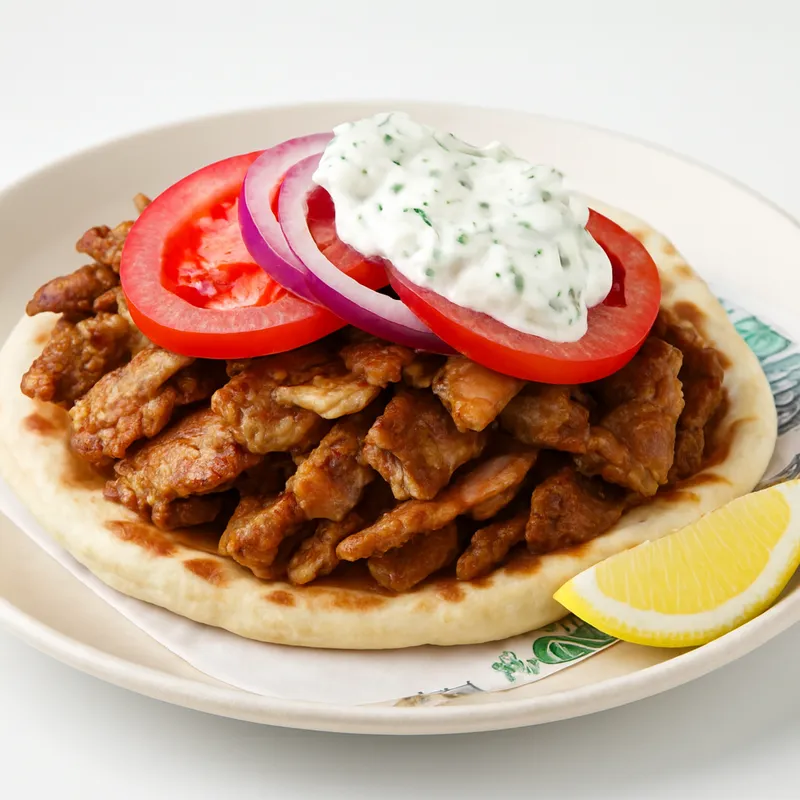
Gyros
Greek rotisserie-cooked meat shaved thin and served in pita with tomato, onion, and tzatziki sauce
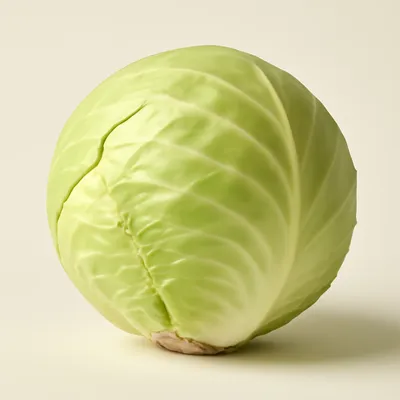
View page →Thessaloniki at dawn smells like phyllo and butter — bougatsa shops crank out the morning's pies still steaming, custard inside, dusted in cinnamon and powdered sugar. Walk farther and there's gyros turning on the vertical spit, a kilo of yogurt being whisked for soutzoukakia, loukoumades dropping into hot oil. The Ottoman past sits openly on every plate; the Balkan north peeks through in the pickled cabbage and dense breads.
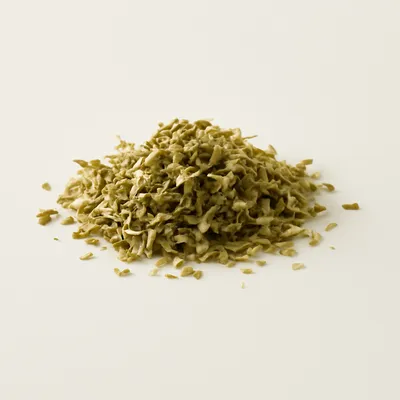
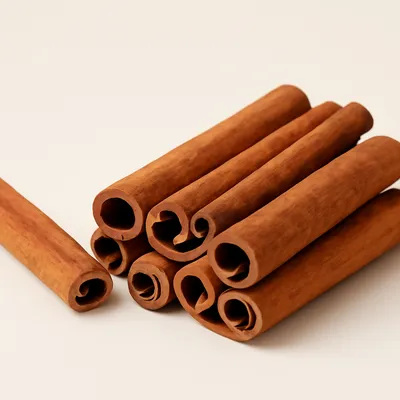
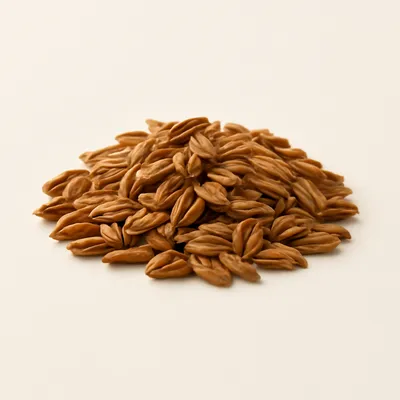
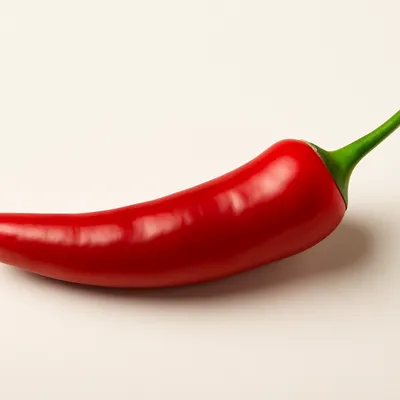
Within Greece's regional kitchens, Macedonia (the Greek region, not the country North Macedonia) is the one that absorbed the most: five centuries of Ottoman rule, refugee waves from Asia Minor in 1922, Balkan trade from the Slavic north. The result is a kitchen that uses more spice than the south (cumin, cinnamon, pepper), more phyllo, more sausage, more pickled and preserved things. Loukoumades are essentially Turkish lokma; tsoureki braids walked in from the Pontic Greek diaspora; soutzoukakia carry the smyrneika label of the Asia Minor refugees who carried the recipe west.
Start Here
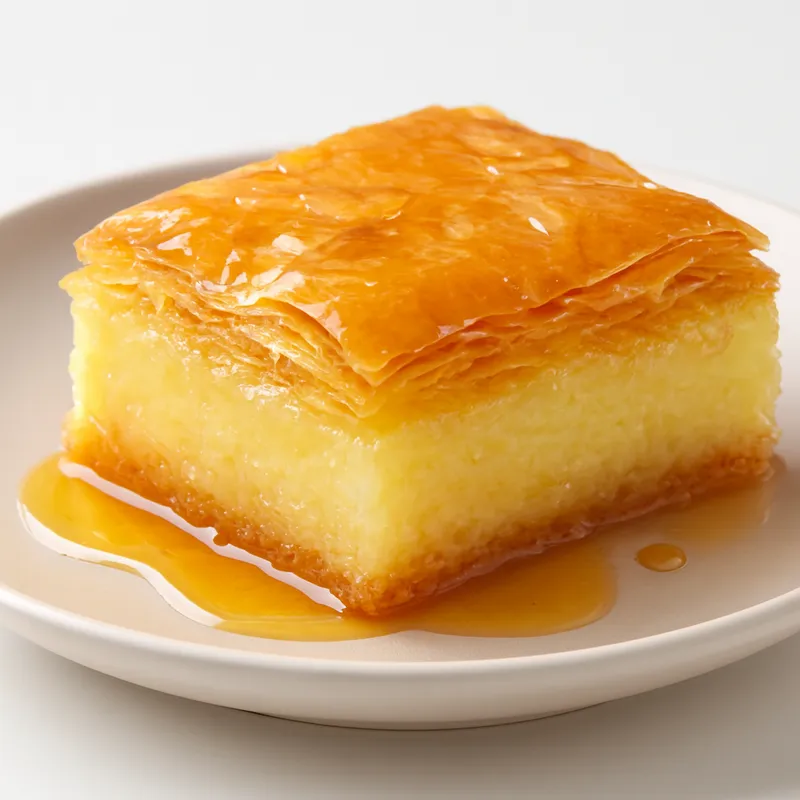
Phyllo pie stuffed with custard or cheese — morning food that built half of Thessaloniki's economy.
Why start here · Eat one warm at 8am and you understand the Thessalonikan morning.
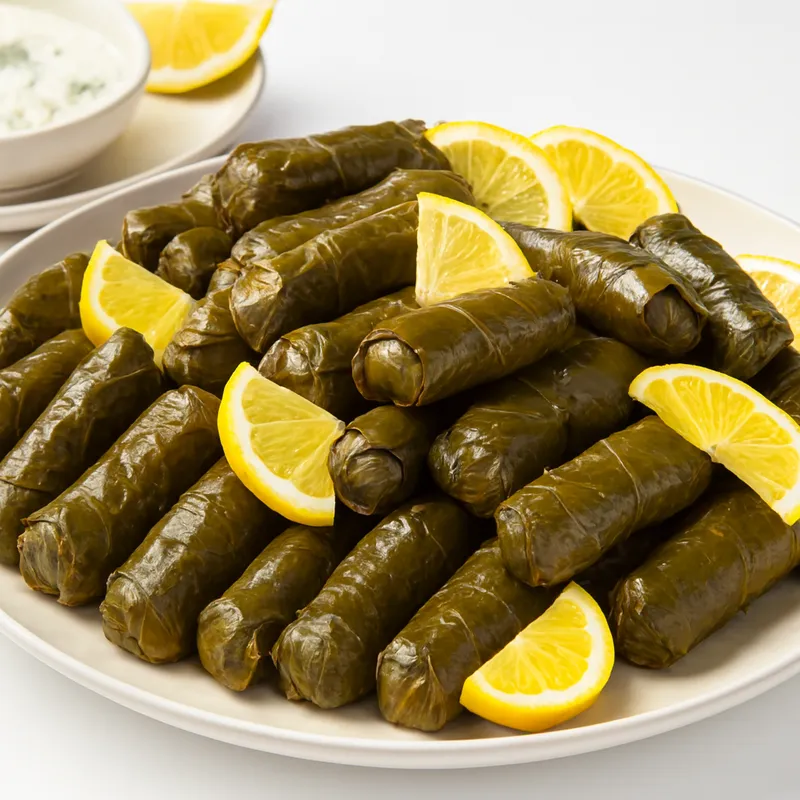
Cinnamon-cumin meat fingers simmered in tomato — the Asia Minor refugees brought this recipe west in 1922.
Why start here · The clearest single bite of the Asia Minor migration — spice, ferment, lemon.
Yeasted dough balls fried, dipped in honey, dusted with cinnamon — the dessert that crossed every empire.
Why start here · Same dough as the Turkish lokma, the Egyptian zalabia, the Indian gulab jamun — taste the long Mediterranean.
The Pantry






See all 76 ingredients›




















How They Cook
Techniques that define this cuisine
See 9 more techniques›
Other regions
Siblings within Greek — each its own tradition.