A ring of lean yeasted dough rolled in sesame seeds and baked until the crust is crisp and the crumb stays soft and chewy. Sold by name as Koulouri Thessalonikis, it is the archetypal Greek street breakfast — bought from a vendor's cart, eaten standing, often still warm. The dough carries no fat to speak of, so the sesame coating does the flavoring; the surface is the whole point.




The name descends from the ancient Greek kollyra, a humble round loaf, by way of the Byzantine koulouri(o)n. The modern sesame ring is closely tied to the Turkish simit and is still called simiti in Greek; the recipe was carried into Thessaloniki by Greek refugees from Asia Minor after the 1922-1923 population exchange, which is why it is named for that city. The Ottoman traveller Evliya Celebi recorded scores of simit bakeries in 17th-century Constantinople, evidence of how deep the form already ran in the region.
Crackle on the outside, give on the inside. The first bite goes through a brittle sesame shell into a dense, slightly sweet, faintly tangy crumb that pulls rather than crumbles. The toasted sesame is the dominant flavor — nutty, almost bitter at the edges where it caught the most heat. Best within an hour of the oven; by afternoon it stiffens and is meant to be dunked in coffee.
Before the sesame will stick and toast evenly, the rolled ring is dipped in a thin syrup of water and grape molasses (petimezi) or diluted honey, then pressed into the seeds; the sugars on the wet surface caramelize in the oven and glue the coating on while deepening the color. The dough is kept lean and slack with a long proof so the crumb develops chew rather than richness, and a hot oven sets the crust fast to trap a soft interior. Skip the syrup dip and the sesame falls off and the ring bakes pale.
Variations
Athenian koulouria are typically thinner, drier and crunchier than the plumper, softer Thessaloniki style. Sweet versions add cinnamon or are glazed; some bakers fold in chocolate or cheese for a filled ring. The closest relatives across the border are Turkish simit (often dipped in molasses) and the lighter, fattier Levantine ka'ak.
On the Palate
Where Koulouri sits in the Greek flavor cloud
Ingredients
Serves 8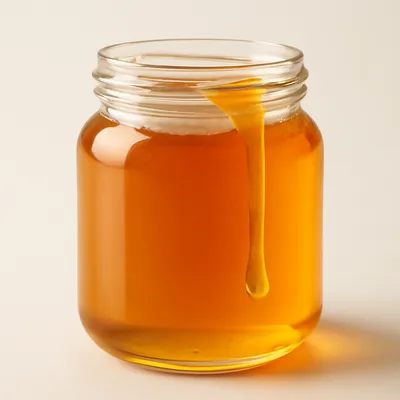
How it's made
7 steps · 35 min active + 1 hour 15 min waiting
- 110 min
Dissolve yeast and a pinch of sugar in warm water; let it foam.
- 212 min
Mix flour and salt, add the yeast water and a little olive oil, and knead into a smooth, fairly firm dough.
- 360 min
Cover and proof until doubled, about 1 hour.
- 48 min
Divide into pieces, roll each into a long rope, and join the ends into a ring.
- 56 min
Dip each ring in a thin syrup of water and grape molasses (or diluted honey), then press both sides into a tray of sesame seeds to coat fully.
Watch outDip each ring in the thin syrup before pressing into the sesame — the sugars glue the seeds on and toast golden; skip it and the sesame falls off and the ring bakes pale.
- 615 min
Rest the coated rings 15 minutes while the oven heats to 220C.
- 720 min
Bake until deep golden and the crust is crisp, about 18-22 minutes.
Archive tool suggestions — not reviewed
These legacy suggestions have not been evidence-reviewed and are not presented as required tools.


