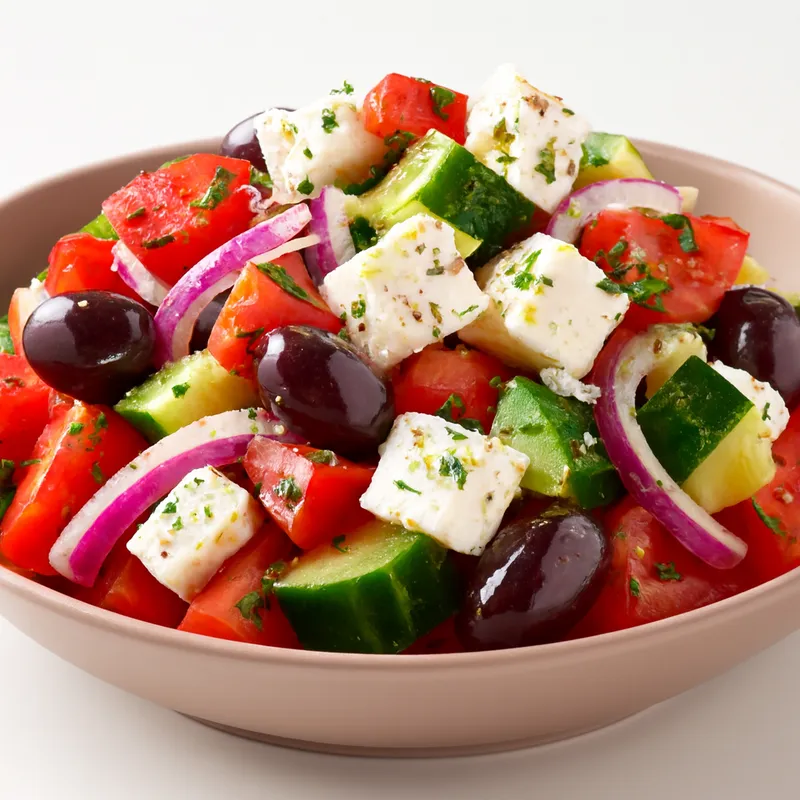
A barley rusk softened by tomato juice, crowned with feta and oregano — Crete's answer to bruschetta, eaten cold.




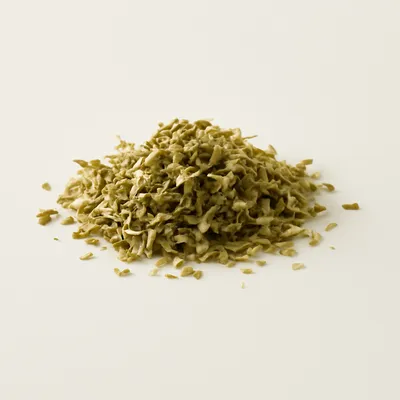
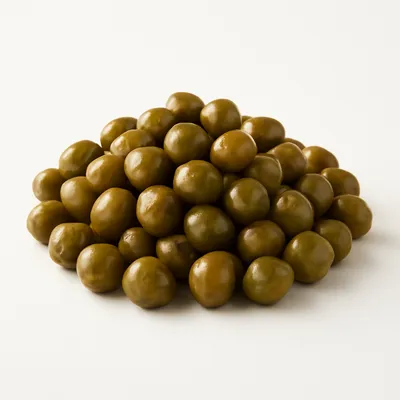
Born in Crete's mountain villages, dakos uses paximadi — twice-baked barley rusks that keep for months without spoiling. Grated tomato softens the rusk just enough that it still has bite, and a slab of feta plus a hard pinch of dried oregano completes the assembly. Eaten as a midday meze in summer when tomatoes peak.
A round barley rusk soaked just enough by tomato juice to soften but not collapse, piled with grated tomato, mizithra or feta cheese, olives, and oregano. Glistens with olive oil. Cretan everyday.
Paximadi (barley rusk) is twice-baked until the moisture content drops below 10% — it lasts months in the Cretan pantry. Pouring tomato juice rehydrates only the surface; the center stays slightly crunchy, which is the textural signature.
Variations
Cretan dakos uses barley paximadi and mizithra; Cycladic version sometimes uses wheat rusk and feta; Athens tavernas serve it deconstructed on plates — rural rustic versus city presentation.
On the Palate
Where Dakos sits in the Greek flavor cloud
Wet the rusk just enough to take the edge off; you want the surface softened but the center still crunchy, because that bite against the soft tomato is the whole dish.
Ingredients


How it's made
5 steps · 15 min
- 110 min
Drizzle one side of each barley rusk with a tablespoon of cool water and a generous splash of olive oil; let sit 1-2 minutes until just softened, no longer brittle.
Watch outThe rusk should give slightly when pressed but still feel firm at the core, no longer brittle enough to snap.
- 21 min
Grate two ripe tomatoes on the large holes of a box grater over a bowl, discarding the skins.
- 32 min
Spoon the pulpy grated tomato evenly over the rusks; let the juice soak in for another minute.
Watch outLet the grated pulp sit a minute so its juice just soaks the top; the surface glistens while the base stays firm.
- 41 min
Crumble or slice feta cheese on top, then scatter Kalamata olives and capers.
- 51 min
Sprinkle generously with dried oregano, finish with a final pour of olive oil and a few grinds of black pepper. Serve immediately while the rusk still has some bite.
Archive tool suggestions — not reviewed
These legacy suggestions have not been evidence-reviewed and are not presented as required tools.