A pale-pink whipped dip built from cured fish roe (tarama), softened bread or potato, olive oil, and lemon juice, emulsified into a smooth, salty-sour spread. It is one of the four canonical Greek meze dips, alongside tzatziki, melitzanosalata, and skordalia. Traditionally eaten during Lent and on Clean Monday (Kathara Deftera), the first day of Greek Orthodox fasting, when meat and dairy are forbidden but fish roe is allowed. Served cold with crusty bread, raw vegetables, or olives.


Taramosalata takes its name from tarama, the salt-cured roe of grey mullet or cod, plus salata. The technique of curing and pressing fish roe into a hard, salted block dates to antiquity around the eastern Mediterranean; the whipped dip in its modern form is tied to Greek Orthodox fasting custom, where it became a fixture of the Clean Monday table because roe is permitted on a day when meat, dairy, and oil-free rules still leave little else rich. Authentic tarama from grey mullet (botargo-grade roe) is expensive and amber-brown; most commercial taramosalata is made with cheaper cod or carp roe and dyed pink, which is why the bright-pink supermarket version is considered a debased form by purists.
Spoon-soft and glossy, the colour of pale coral when made properly (not the lurid pink of cheap jars). The first taste is a clean salt-and-sea hit from the roe, immediately cut by sharp lemon, then rounded out by the slick of olive oil and the soft starch of bread or potato carrying it. Spread thick on a torn piece of bread, it should cling without running. Too much oil and it turns greasy; too little bread and the salt overwhelms.
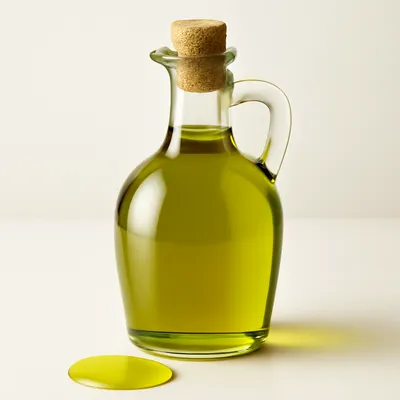
Taramosalata is an emulsion, like a roe-based mayonnaise: the proteins and fat in the cured roe, plus the starch from soaked bread or boiled potato, stabilise a suspension of olive oil and lemon juice into a creamy mass. Oil must be added slowly in a thin stream while beating, or the emulsion breaks and weeps oil. Stale bread is soaked and squeezed dry so it contributes structure without water; potato makes a denser, milder dip. Pure olive oil can turn the dip bitter when over-beaten (the polyphenols emulsify aggressively), so many cooks cut it with a neutral oil. The roe is salty enough that no extra salt is needed.
Variations
The premium version uses grey-mullet roe and stays amber-brown, never dyed; the everyday version uses cod or carp roe. Bread-based taramosalata is lighter and fluffier; potato-based is denser and good for those who find the roe too strong. Some cooks add a little grated onion or garlic for bite; island versions sometimes fold in a spoon of mashed avocado or extra lemon zest.
On the Palate
Where Taramosalata sits in the Greek flavor cloud
Ingredients
Serves 6How it's made
6 steps · 20 min
- 15 min
Soak 3-4 slices of stale white bread (crusts removed) in water, then squeeze completely dry.
- 22 min
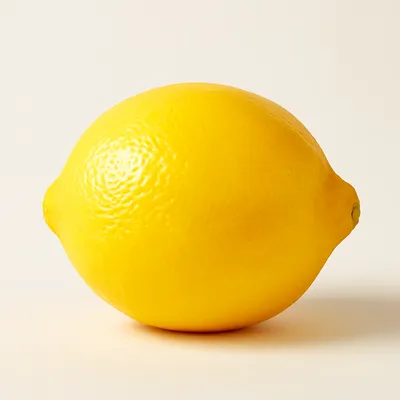
Put the squeezed bread, 100g tarama (cured fish roe), and the juice of 1 lemon into a food processor or bowl.
- 35 min
Blend to a smooth paste, then begin adding 200ml olive oil in a very thin, steady stream while the machine runs (or while whisking by hand).
Watch outAdd the oil in a very thin, steady stream while blending — pour too fast and the emulsion breaks and weeps oil.
- 43 min
Continue until the mixture is pale, creamy, and emulsified; adjust with more lemon juice or a splash of cold water if too thick.
- 52 min
Taste and balance acidity; do not add salt (the roe is salty enough).
Watch outBalance with lemon and don't add salt — the cured roe is salty enough, and over-beating pure olive oil can turn it bitter.
- 660 min
Chill at least 1 hour and serve cold with bread, vegetables, or olives.
Archive tool suggestions — not reviewed
These legacy suggestions have not been evidence-reviewed and are not presented as required tools.


