Pieces of milk-fed Roman spring lamb browned with onion and cured ham, simmered until tender, then bound at the end in a 'brodetto' of egg yolk, lemon juice, marjoram, and parsley — a medieval egg-liaison technique that sets the sauce into a velvety trembling cream without curdling.






Abbacchio — the Romanesco dialect word for a suckling lamb no older than 45 days — has been the centrepiece of Rome's spring table since antiquity. The agronomists Varro and Columella both documented the centrality of ovine herding in the Lazio countryside, and the poet Juvenal praised Roman lamb's tenderness; a great lamb market at the Foro Romano was especially active between Easter and June. The brodettato technique — thickening a sauce with beaten egg and acid, the brodetto pasquale — is recorded as a tradition of the Easter table in medieval Rome. The scholar Italo Arieti noted that in many parts of Italy the term was later displaced by the French word 'fricassea,' but the two are technically distinct: the French fricassée is derived from 'frire' and 'casser' and does not necessarily include the egg-yolk liaison. Vincenzo Corrado's 1773 treatise 'Il Cuoco Galante' distinguishes 'fricassea al bianco' (with egg) from 'fricassea oscura' (without). Today the abbacchio romano carries the European Union's Indicazione Geografica Protetta mark, requiring animals born, raised, and slaughtered in Lazio at 25–45 days old and 9–12 kg live weight.
Pale, milky-tender lamb in a golden sauce that coats each piece like trembling custard — lemon-bright, herb-fragrant, and utterly Roman in its elegant restraint.
Browning the lamb and soffritto above 140 °C initiates Maillard reactions, building colour and aromatic compounds. Because milk-fed lamb is exceptionally young, it has very little collagen; tenderness is achieved mainly by protein denaturation and myosin fibre relaxation at 65–75 °C during the braise, rather than by collagen-to-gelatin conversion. The brodetto liaison is an egg-yolk emulsification: lecithin in the yolks acts simultaneously as an emulsifier (binding fat and water phases in the sauce) and a gentle thickener as the yolk proteins coagulate between 65 °C and 70 °C. If the temperature exceeds 80 °C after adding the egg mixture, yolk proteins denature irreversibly and the sauce curdles into grainy strands. The lemon juice's citric acid lowers the pH, which raises the temperature threshold at which the proteins coagulate — giving a small but useful safety margin.
Variations
Some recipes add finely grated pecorino romano to the egg-yolk liaison for extra body. A version from the Lazio countryside incorporates white wine during the braise. Modern chefs sometimes finish with a small knob of butter for extra sheen.
On the Palate
Where Abbacchio Brodettato sits in the Italian flavor cloud
Ingredients
Serves 4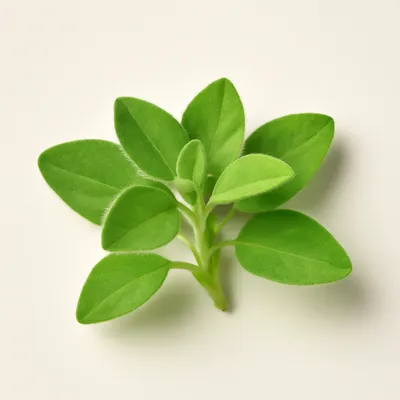



How it's made
7 steps · 10 min
- 15 min
Cut 1 kg milk-fed lamb into small bone-in pieces of about 50 g each; pat dry; season with salt and black pepper.
- 210 min
Heat 2 tbsp olive oil in a wide casserole over medium-high; brown the lamb pieces on all sides until golden, working in batches; remove and set aside.
Watch outBrown the lamb pieces deep golden on every side — this Maillard color is where the braise gets its aroma; a pale sear leaves it flat.
- 35 min
In the same pan reduce heat to medium; gently sauté one finely sliced small onion and 80 g finely diced prosciutto crudo until the onion softens and becomes translucent.
- 430 min
Return the lamb to the pan; add 100 ml dry white wine; let alcohol evaporate 2 minutes; add 150 ml warm water or light lamb broth; cover and simmer over low heat 30 minutes, adding a splash more liquid if the pan dries.
- 55 min
While the lamb simmers, whisk 3 egg yolks with the juice of 1 lemon, a generous pinch of chopped fresh marjoram, a small handful of chopped fresh parsley, and a pinch of black pepper.
- 65 min
When the lamb is fully tender, remove the casserole from heat; let it rest 1–2 minutes so the temperature falls below 75 °C; pour the egg-lemon mixture over the lamb and stir continuously over the lowest possible heat for 3–4 minutes until the sauce thickens to a velvety coating — do not let it boil.
Watch outRest the pot off heat below 75 degrees before stirring in the egg-lemon, and never let it boil — any hotter and the yolks scramble instead of thickening into a velvety sauce.
- 73 min
Taste, adjust seasoning, and serve immediately on warmed plates with crusty bread.
Archive tool suggestions — not reviewed
These legacy suggestions have not been evidence-reviewed and are not presented as required tools.



