Hirino me selino is a Greek winter stew of pork and celery, gently simmered with onion and herbs, then finished with avgolemono — the silky egg-and-lemon sauce that thickens the broth and gives it a bright, tangy lift. It uses the leafy, intensely aromatic Greek celery rather than the milder Western stalk, so the dish tastes deeply of celery. It is a cold-weather staple of the mainland, especially the Peloponnese, and a fixture of the Christmas and New Year table.
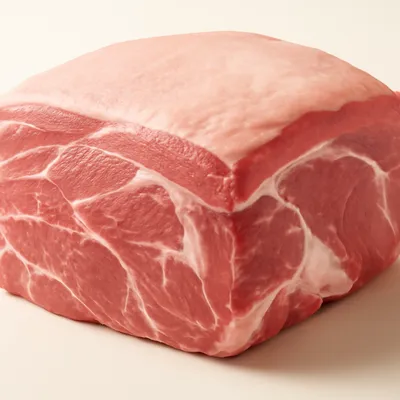
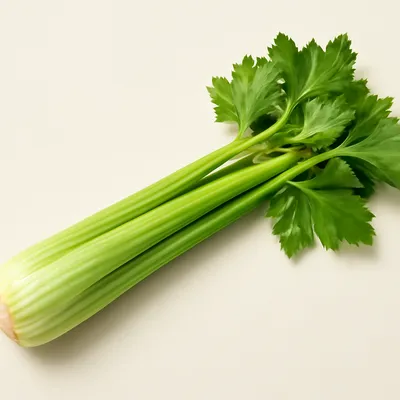




Pork has long been the meat of the Greek winter: in the villages the family pig was slaughtered in December (the choirosfagia), and the cold months are when fresh pork was plentiful, so it remains the holiday meat of the Christmas-New Year season. Celery, in season through winter, was the natural partner, and finishing the pot with avgolemono — one of the oldest and most characteristic Greek sauce techniques — turned a plain stew into something rich. The dish is especially associated with the Peloponnese and is a classic of the mainland cold-weather table.
Tender chunks of pork that have given their flavor to the broth, soft pieces of celery, and a pale, creamy sauce clinging to everything. The avgolemono is the signature: lemon-sharp and savory at once, lightly thickened so it coats the meat without being heavy. The celery is forward and almost herbal, cutting the richness of the pork. Eaten hot in a bowl with bread, it is restorative winter food.
Two techniques carry the dish. First, the pork is browned and then simmered slowly so its collagen softens and it flavors the cooking liquid. Second — and the make-or-break step — is the avgolemono: eggs and lemon juice are whisked together, then a ladleful of the hot broth is slowly drizzled in while whisking (tempering) to warm the eggs gradually. The tempered mixture is stirred back into the pot off or over very low heat; if it boils, the egg proteins curdle and the sauce breaks into scrambled threads instead of staying smooth and creamy.
Variations
Some versions use celeriac (celery root) alongside or instead of the stalks; others add a little fennel or leek. The avgolemono can be made with whole eggs or with separated whites beaten to a froth for a lighter, fluffier sauce. The same pork-and-avgolemono method is used with other winter greens — wild greens, leeks, or fresh fennel — and lamb is sometimes substituted for the pork. Cooks differ on how much lemon to add, balancing tang against the sweetness of the cooked celery.
On the Palate
Where Hirino me Selino sits in the Greek flavor cloud
Ingredients
Serves 4

How it's made
5 steps · 35 min active + 1 hour 25 min waiting
- 115 min
Cut the pork into chunks and brown them in olive oil in a heavy pot.
- 265 min
Add chopped onion and cook until soft, then pour in enough water or stock to cover and simmer gently for about an hour.
- 325 min
Add the chopped Greek celery (stalks and leaves) and continue simmering until the pork and celery are tender.
- 48 min
Whisk the eggs with the lemon juice, then temper by slowly drizzling in ladlefuls of the hot broth while whisking.
Watch outTemper the eggs by drizzling hot broth in slowly while whisking — this warms them gradually so they don't scramble when they hit the pot.
- 55 min
Stir the avgolemono back into the pot off the heat (do not boil), adjust salt and pepper, and serve hot.
Watch outStir the avgolemono back off the heat and never let it boil — a boil curdles the egg and the sauce breaks into threads instead of staying silky.
Archive tool suggestions — not reviewed
These legacy suggestions have not been evidence-reviewed and are not presented as required tools.


