A whole slab of feta wrapped in foil (or set in a small dish), topped with tomato, peppers, chilli flakes, oregano, and olive oil, then baked until the cheese softens and slumps and the surface just begins to colour. It is a warm meze meant for sharing, the baked counterpart to the fried saganaki. The foil traps the oil and juices, basting the cheese so it goes creamy rather than dry. Served hot from the oven with bread to scoop up the spiced oil.



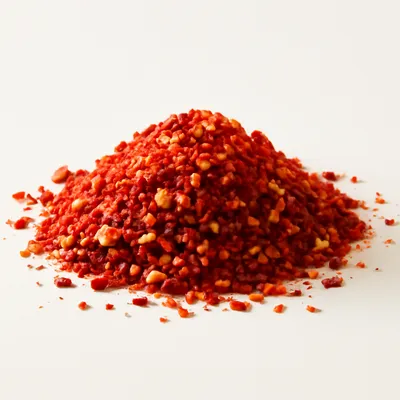
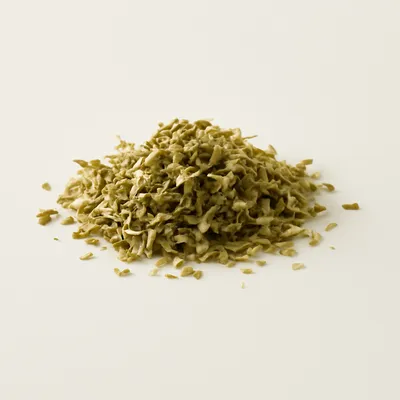

Baked feta is a modern taverna dish rather than a documented historical recipe; it belongs to the family of meze built around feta, Greece's PDO-protected sheep-and-goat-milk cheese that anchors the country's table. It reads as the oven-baked sibling of saganaki (feta pan-fried in a small skillet) and shares the same logic: a single block of cheese, heat, and a sharp or spicy topping to balance the salt and fat. The chilli-and-tomato version became widely popular in Greek tavernas and abroad in recent decades, and gained a fresh wave of attention internationally when a related baked-feta pasta idea went viral in 2021 — though feta psiti as a standalone meze long predates that.
The cheese comes out soft and spreadable, no longer crumbly, with a slightly browned top and pockets of melted creaminess underneath. The salt of the feta is met head-on by sweet roasted tomato, the grassy heat of chilli, and the perfume of oregano in hot olive oil. Scooped onto torn bread, it is salty, rich, and a little fiery, the oil at the bottom of the dish as good as the cheese itself. It must be eaten hot — once it cools, the feta firms up and the magic is gone.
Feta does not melt into a flowing pool the way mozzarella does — its acid-set curd and high salt content mean it softens and slumps but holds its shape, going creamy rather than stringy. The foil parcel is the key technique: it steams and bastes the cheese in its own oil and the tomato juices, keeping it moist, while the trapped heat softens the interior; opening the top for the last few minutes lets the surface brown. A drier feta works better than a wet, crumbly one, which can leach water and dilute the topping. The chilli and the acidity of the tomato are there to balance feta's aggressive salt.
Variations
The most common topping is tomato, pepper, and chilli, but versions abound: a drizzle of honey and a scatter of sesame seeds for a sweet-salty take; olives and capers; roasted red peppers alone. Some cooks bake the feta directly in a dish without foil for a more browned, crustier top. A whole baked block over pasta with cherry tomatoes is the viral spin-off rather than the traditional meze.
On the Palate
Where Feta Psiti sits in the Greek flavor cloud
Ingredients
Serves 4How it's made
6 steps · 30 min
- 15 min
Preheat the oven to 200°C.
- 22 min
Place a 200g block of feta on a large sheet of foil (or in a small ovenproof dish).
- 33 min
Top with sliced tomato and pepper, a pinch of chilli flakes, and a generous sprinkle of dried oregano.
- 41 min
Drizzle generously with olive oil.
- 525 min
Fold the foil into a sealed parcel and bake for about 25 minutes.
Watch outSeal the foil into a tight parcel first — the trapped steam bastes the feta soft in its own oil and juices instead of drying it out.
- 65 min
Open the foil and bake a further 5 minutes to colour the top; serve hot with bread.
Watch outOpen the foil for the last few minutes only to color the top — feta slumps and goes creamy, it won't flow like mozzarella.
Archive tool suggestions — not reviewed
These legacy suggestions have not been evidence-reviewed and are not presented as required tools.


