Baumkuchen, literally 'tree cake', is a tall layered cake built up one thin layer at a time on a rotating spit turned in front of an open heat source. Each ladle of batter is browned before the next is poured on, so a cut slice reveals concentric pale-and-gold rings like the growth rings of a tree. The finished log is coated in chocolate or a clear sugar glaze and sold in rings or slabs. Rich with butter, eggs and a hint of vanilla, lemon or rum, it is a prestige cake of German confectionery, associated above all with the towns of Salzwedel and Cottbus.





Cakes built up in layers on a rotating spit are an old idea with relatives across Europe, but the German Baumkuchen as known today took shape from the 18th and 19th centuries, when court and town confectioners refined the spit-roasting method into the multi-layered ringed cake. The Altmark town of Salzwedel became especially renowned: a local recipe is recorded from the early 19th century and the cake was reportedly sent to the Prussian court, earning Salzwedel its standing as a Baumkuchenstadt ('Baumkuchen town'). Cottbus in Lower Lusatia holds a parallel reputation. Because layer-cakes-on-a-spit appear in many places and eras, no single inventor can be credited; what is well documented is the cake's 19th-century rise as a luxury and a regional pride. Today German rules reserve the name for cakes made to a traditional recipe and method — high in butter and eggs, with no chemical leavening — distinguishing true Baumkuchen from ordinary sponge.
Dense yet fine-grained, more tender than a sponge and richer than a pound cake, with a faint chew where each browned layer meets the next. The ringed structure is visible and very slightly springy, every band a shade darker at its baked edge. The flavour is buttery and eggy with a clean note of vanilla, lemon or rum, and the glaze adds either a snap of dark chocolate or a thin sweet sugar shell. Best in thin slices that show off the rings, with coffee. Because of its richness and keeping quality it is a classic gift cake.
The layered rings are made by the cooking method, not by any batter trick: a thin, pourable batter is ladled over a slowly rotating cylindrical spit and browned by direct heat before the next coat is added, so each new layer bakes onto a set, caramelised surface. Repeating this fifteen or twenty times builds the log ring by ring, the colour bands marking each pass under the heat. The batter carries no baking powder; lift comes from well-whipped eggs and the rich butter, and the constant rotation keeps each thin film even as it sets. The high fat keeps the many baked layers from drying into rusk, and a final chocolate or sugar glaze seals the surface and lengthens its keeping.
Variations
Finishes vary: dark-chocolate-coated is the most familiar, but a clear sugar glaze (Zuckerguss) and apricot-glazed versions are traditional too. Salzwedel and Cottbus each have their celebrated bakers and slightly different house recipes. Baumkuchenspitzen are small chocolate-dipped batons cut from the cake. The form also travelled abroad — it became hugely popular in Japan, where it is widely sold as a gift cake — while in Hungary and Central Europe the related spit cakes are sweeter, yeast-raised street pastries rather than the fine layered German cake.
On the Palate
Where Baumkuchen sits in the German flavor cloud
Ingredients
Serves 12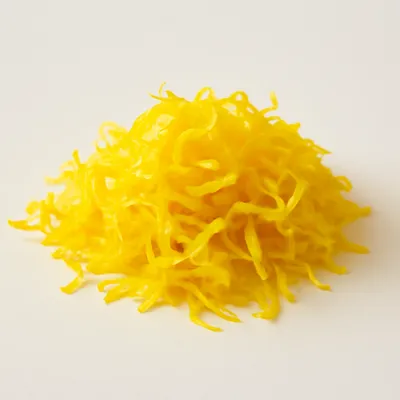

How it's made
6 steps · 1 hour 30 min active + 30 min waiting
- 112 min
Cream the butter with sugar until very pale and fluffy, then beat in the egg yolks one at a time with vanilla, lemon zest or a little rum.
- 210 min
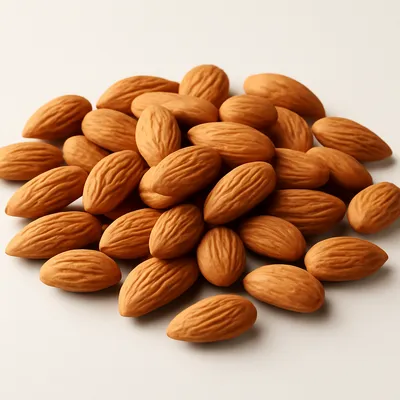
Whisk the egg whites to stiff peaks, then fold them and the flour and ground almonds gently into the butter mixture to make a smooth, pourable batter.
Watch outFold the stiff whites and the flour in gently — the lift comes entirely from whipped egg, so knocking out the air leaves the layers flat and dense.
- 38 min
Heat a grill or rotating Baumkuchen spit; brush the spit with batter or set the grill to brown the top of the batter quickly.
- 415 min
Spread a thin layer of batter and grill until golden brown, then spread the next thin layer over it and grill again.
Watch outGrill each thin coat until golden brown before adding the next — each layer must set and caramelize so the following one bakes onto it, not fuse into one.
- 530 min
Repeat layer by layer fifteen to twenty times, browning each before adding the next, to build the ringed log.
- 615 min
Cool the cake, then coat it in tempered dark chocolate or a clear sugar glaze and let it set before slicing thinly.
Archive tool suggestions — not reviewed
These legacy suggestions have not been evidence-reviewed and are not presented as required tools.


