
Pignata di pecora is the shepherds' feast dish of Basilicata: tough old mutton sealed in a terracotta pot — the pignata that names it — and cooked slow until the meat falls apart. Cut-up sheep is layered into the narrow-necked clay jar with potatoes, onion, tomato, wild herbs and a knob of pecorino, sometimes with lampascioni (wild hyacinth bulbs) and dried Lucanian peppers, then closed and left for hours at the edge of a wood hearth so the buried pot bakes in steady, gentle, all-round heat. The result is dense and self-sauced: spoon-tender meat, potatoes thick with rendered fat and pecorino, no quick browning and no stock added — only what the sealed pot draws out of the sheep itself. It is a dish of the Pollino and the Matera highlands, made for feast days and the long pastoral cooking of the open fire.
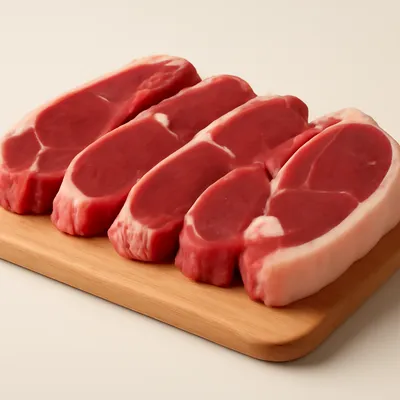



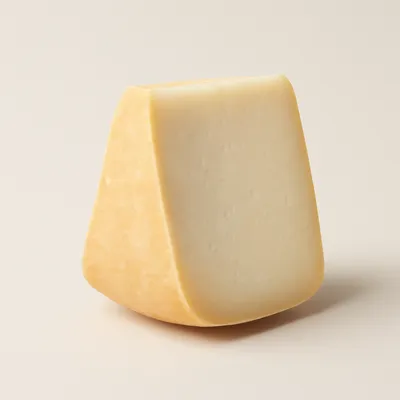

The dish grew straight out of Lucanian pastoralism. Basilicata is the most mountainous region of the Italian south, and transhumant flocks long shaped its food; an old ewe past her milking and breeding years was tough, strong-flavoured meat that repaid only very long, gentle cooking. The pignata — a bellied, narrow-mouthed terracotta cooking jar — was the vessel that made it possible: stood among the embers at the side of the hearth, never over open flame, it heats slowly and evenly and holds that heat, so a sealed pot could be left to cook itself through a day's work or a feast's preparation. Italian accounts of Lucanian cuisine record sheep cooked this way under the names cutturidd, pastorale and pignata, with potatoes, tomato, lampascioni and cardoncelli mushrooms. The sealed clay-pot braise described here is the festal, drier form of that tradition rather than the soupier shepherd's broth; it is documented as a regional usage, and the pignata persists today as a marker of Basilicata's open-fire cooking rather than as a dated, single-author recipe.
The mutton comes apart at the touch of a spoon, soft and gelatinous where the connective tissue has melted, deeply savoury and frankly sheepy in a way long cooking turns mellow rather than rank. There is no seared crust — the flavour is braised, round and concentrated, the sweetness of slow-cooked onion threading through. Potatoes, cooked in the sealed pot, are saturated and almost creamy, heavy with rendered sheep fat and the salty tang of melted pecorino, the tomato gone soft and jammy. The sauce is not poured on but drawn out: a small amount of intense, fatty, herb-scented liquor pooled at the bottom of the pot. It eats warm, rustic and filling, with bread to wipe the clay.
Everything depends on long, sealed, low cooking in unglazed terracotta. Clay heats slowly and radiates a soft, even, all-round warmth, and the closed pot traps the moisture the meat gives up, so the contents braise in their own steam and juices at a gentle simmer rather than a boil. Held at that low temperature for hours, the collagen in old, tough sheep — abundant in the worked muscle of a mature animal — hydrolyses to gelatin, which is what makes the meat fall-tender and lends the small pool of liquor its body. Rendered fat melts out to baste the potatoes, whose starch swells and absorbs it along with the meat juices; pecorino dissolves into salt and savour. With no water or stock added, flavour stays concentrated, and the absence of an initial sear keeps the dish in the pure, clean register of a moist braise rather than a roast. The narrow neck limits evaporation, so the sauce reduces only slightly and the meat never dries.
Variations
The clay-pot tradition spans the dry, festal pignata braise and the soupier shepherd's version known as cutturidd or pastorale, which loosens the same ingredients with more liquid into a stew eaten with its broth. Mutton is most traditional, but kid or lamb is used where milder meat is wanted. Common additions are lampascioni, dried Lucanian peppers (peperone crusco), cardoncelli mushrooms, celery, bay and wild fennel; some cooks finish with a beaten egg-and-pecorino bind in the related cutturiddu. Where a true pignata or an open hearth is lacking, the dish is built in a heavy lidded pot or low oven, sealed tight to mimic the clay; the unglazed terracotta and the embers, though, are held to give the gentlest, most characteristic result.
On the Palate
Where Pignata di Pecora sits in the Italian flavor cloud
Ingredients
Serves 6
How it's made
6 steps · 40 min
- 120 min
Cut mutton on the bone into large pieces; peel and chop potatoes and onion, and ready tomato, wild herbs and a piece of pecorino.
- 215 min
Layer the meat, potatoes, onion and tomato into a terracotta pignata, seasoning with salt, herbs, dried peppers and the crumbled pecorino as you go.
- 35 min
Add a little olive oil and only a splash of water or wine; press everything down and close the pot tightly with a lid sealed at the rim.
Watch outSeal the lid tight at the rim with only a splash of liquid — the meat braises in its own trapped steam, and a loose lid lets it dry out.
- 45 min
Set the pot at the side of a wood fire among the embers, or in a low oven at about 150°C, away from direct flame.
- 5225 min
Cook slowly for around 3 to 4 hours, turning the pot occasionally, until the meat is falling-tender and the potatoes have soaked up the fat and juices.
Watch outKeep it low, away from direct flame, for three to four hours — high heat boils it instead of the slow gentle braise the clay is for.
- 610 min
Rest briefly off the heat, then open at the table and serve straight from the pot with bread to mop the liquor.
Archive tool suggestions — not reviewed
These legacy suggestions have not been evidence-reviewed and are not presented as required tools.



