


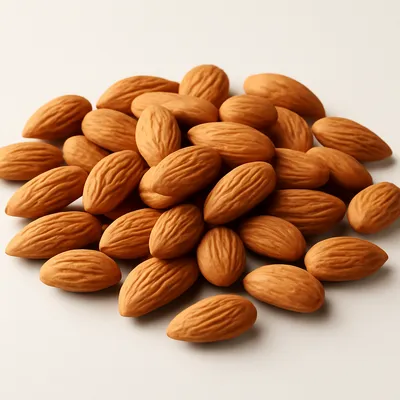
The form was codified in 10th-century Palermo under Arab rule, when sugar cane and citrus arrived in Sicily and met local sheep ricotta; the marzipan shell came later from the Norman convents (12th–13th c.) that perfected almond paste. The 1873 Palermo pastry chef Salvatore Gulì codified the modern version — creating the candied-pumpkin (zuccata) decoration and presenting his cassata at the 1873 Vienna Universal Exposition.
Form codified in 10th-century Palermo under Arab rule, when sugar cane and citrus arrived in Sicily and met local sheep ricotta; marzipan shell came from Norman convents (12-13th c.). The 1873 Palermo pastry chef Salvatore Gulì added the sponge cake and the green pasta reale shell. Sheep ricotta — not cow's — is load-bearing; nearly twice the fat and a gamy note that stands up to candied fruit.
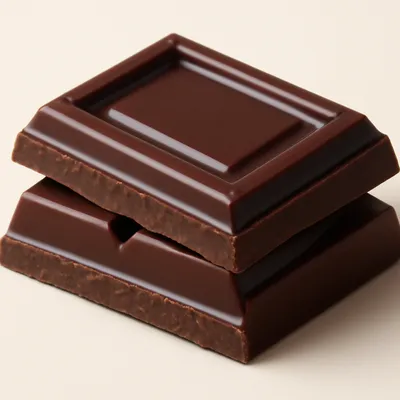
A green dome under a marzipan shell, sliced to show layered sponge soaked in liqueur, sweetened sheep-milk ricotta studded with chocolate chips, and a top crusted in candied citrus and glacé cherries. Eaten cold in thin wedges. The ricotta should be firm enough to hold its shape against the knife — if it weeps onto the plate, the cheese was under-drained.
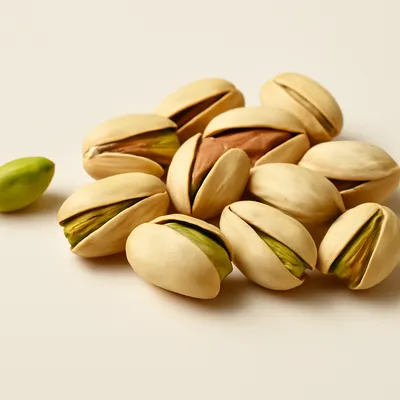
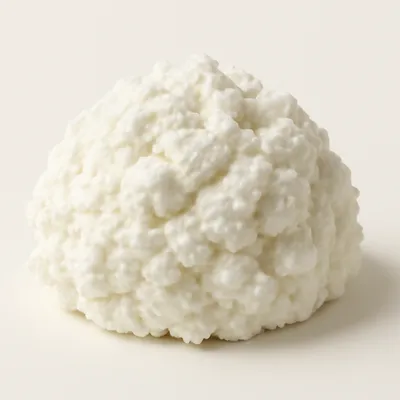
Sheep ricotta, not cow's, is load-bearing — it has nearly twice the fat and a gamier note that stands up to the candied fruit. The ricotta is whipped with sugar a day ahead and drained overnight; rushing it gives a watery filling. The green color comes from pistachio paste — the authentic Palermo marzipan is tinted toward a soft pistachio green, the traditional recipes reaching it with a touch of food coloring rather than the lurid dye of commercial versions.
Variations
Cassata al forno is the older baked version (no marzipan, just shortcrust); Messina cassata uses richer pan di spagna soaked in maraschino; cassatelle are the fried hand-pie cousin from Trapani; Pasticceria Cappello and Pasticceria Costa in Palermo are the benchmark for the green-shelled modern form.
On the Palate
Where Cassata Siciliana sits in the Italian flavor cloud
Ingredients


How it's made
5 steps · 4 hours
- 125 min
Prepare a sponge cake base and allow to cool.
- 215 min
Mix ricotta with sugar, candied fruits, and chocolate.
Watch outWhip the ricotta with sugar and drain it well ahead — a day early is right; the mix should hold soft peaks and taste creamy, not weep water, or the filling turns runny and soaks the sponge.
- 325 min
Layer ricotta mixture onto sponge cake and cover with marzipan.
Watch outRoll the marzipan thin and even and press it snug against the cake with no cracks — tint it a soft pistachio green from the paste, not a lurid dye; a torn or over-bright shell reads cheap.
- 425 min
Decorate with additional candied fruits and pistachios.
- 5150 min
Chill thoroughly before slicing and serving.
Archive tool suggestions — not reviewed
These legacy suggestions have not been evidence-reviewed and are not presented as required tools.


