
A signature dish of the Salento, the southern tip of Puglia: chickpeas cooked soft with garlic and herbs, mixed with «tria», a fresh eggless pasta of durum semolina and water cut into short ribbons. Its defining trick is that part of the pasta is boiled and part is deep-fried, and the two are tossed together so that crisp, blistered fried strands meet the soft boiled ones in the same bowl. The fried pasta adds crunch and a savoury, almost meaty depth to a humble dish of pasta and pulses. It is served as a main, traditionally tied to the feast of Saint Joseph on 19 March.






Ciceri e tria carries a long documented lineage. Its Roman ancestor is the dish of lagana and chickpeas the poet Horace recalls fondly in his Satires in the 1st century BC; lagana — from the Greek laganon — were flat sheets of pasta, and «lagane e ceci» survives across the south to this day. The name «tria», however, points to a later layer: it derives from the Arabic itriyah, a dried pasta introduced under Arab rule, and the geographer al-Idrisi records a flourishing production of such pasta in Norman Sicily in his Book of Roger of 1154. In the Salento the dish became firmly associated with the feast of Saint Joseph (San Giuseppe) on 19 March, and it is recognised among the traditional agri-food products (PAT) of Puglia.
The dish lives on the contrast of two pastas: soft, slippery boiled ribbons against crisp, brittle fried ones that blister and snap, all bound by creamy, nutty chickpeas in their own starchy broth. The boiled tria is tender and a little chewy, the fried tria toasty, savoury and almost smoky, and the chickpeas turn the whole into something between a thick soup and a dressed pasta. It should be loose and brothy, not dry. A good plate keeps the fried strands crisp by adding most of them at the end; let them all sit too long in the liquid and the crunch — the whole point of the dish — is lost.
Two cooking methods give the dish its character. Boiling hydrates the starch in the soft tria so it turns tender, while the chickpeas, simmered long and slow, release starch into their cooking water and break down enough to thicken the dish into a creamy, brothy base. Deep-frying does the opposite: dropped into hot oil, the thin strands of fresh pasta lose their surface water in a burst of steam, the dough puffs and blisters, and Maillard browning of the starch and protein builds the toasted, savoury, almost meaty flavour that historically stood in for scarce meat. Frying only part of the pasta is the key — the fried strands must be folded in near the end and eaten promptly, because their crispness collapses once they soak up the chickpea broth.
Variations
The proportion fried varies from about a third to a half of the pasta, by household and by cook, and the chickpeas may be flavoured with bay, garlic, onion, celery or a little tomato. Some Salento versions add mussels — ciceri e tria e cozze — for a coastal turn, and others finish with chilli or a sprig of rosemary. The plain «lagane e ceci» of the wider south, with no fried pasta, is its closest relative and preserves the older Roman form; the same broad pasta-and-chickpea tradition runs from Puglia across Basilicata and Calabria under various local names.
On the Palate
Where Ciceri e Tria sits in the Italian flavor cloud
Ingredients
Serves 4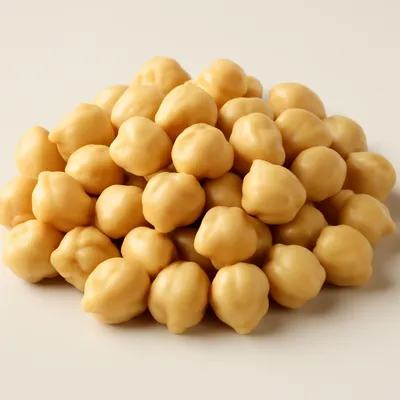

How it's made
7 steps · 1 hour 30 min
- 110 min
Soak the dried chickpeas in plenty of water overnight, then drain.
- 2110 min
Simmer the chickpeas gently in fresh water with bay, garlic and a little onion until soft and creamy, about one and a half to two hours, keeping them brothy; season with salt near the end.
Watch outKeep the chickpeas brothy, not dry — the starch they release is what makes the base creamy, so don't cook off all the liquid.
- 335 min
Make a firm dough of durum semolina and water, knead until smooth, and rest it for about 30 minutes.
- 420 min
Roll the dough thin and cut it into short ribbons; set aside about a third of them for frying.
- 510 min
Deep-fry the reserved ribbons in hot olive oil until puffed, blistered and golden-crisp, then drain on paper.
Watch outFry the reserved third until puffed and blistered golden — that toasted, almost meaty crunch is the whole character of the dish.
- 68 min
Boil the remaining ribbons in salted water until al dente, then drain.
Watch outPull the boiled pasta at al dente — it keeps softening once folded into the hot chickpeas.
- 75 min
Combine the boiled pasta with the chickpeas and their broth, stir in most of the fried pasta, and serve at once scattered with the rest and a drizzle of olive oil.
Archive tool suggestions — not reviewed
These legacy suggestions have not been evidence-reviewed and are not presented as required tools.


