
The signature pasta of Basilicata, built on two pillars of the regional pantry: peperoni cruschi, the crisp-fried sweet peppers of Senise, and mollica, toasted breadcrumbs fried in garlic-and-anchovy oil. Long pasta is tossed through that fragrant oil, then crowned with the shattered peppers and a heavy shower of crumbs that stand in for grated cheese—the "cheese of the poor" of a region where dairy was a luxury. The peppers are flash-fried apart from everything else, for they crisp in a second or two and burn just as fast. It is cucina povera distilled: little more than bread, oil, dried peppers, and an anchovy or two, yet deeply savoury and full of crunch.

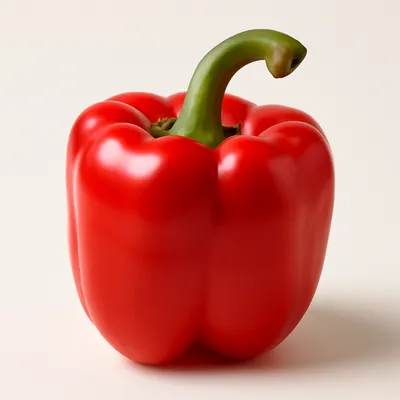

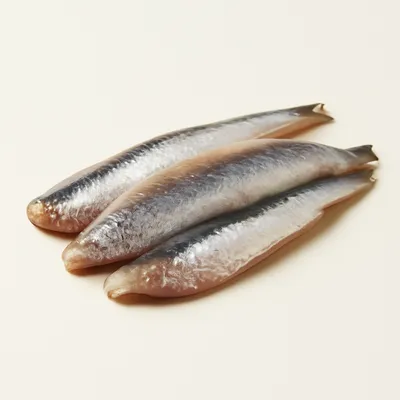


This dish distils two of Basilicata's defining ingredients into a single plate. The first is the Peperone di Senise, a thin-fleshed sweet pepper grown in the Sinni valley around Senise that holds PGI status (Reg. EC 1263/96, 1996); strung up and sun-dried, then flash-fried, it becomes the crisp "peperone crusco"—crusco meaning crisp or brittle in local dialect—a recognised traditional product (PAT). The second is mollica: stale-bread crumbs toasted in oil, which across southern Italy's cucina povera served as a substitute for grated cheese, the "formaggio dei poveri" of households for whom dairy was dear. Pasta con la mollica is itself a PAT-listed tradition spanning Basilicata, Calabria, Puglia, and Sicily, and the Lucanian table marries it to the cruschi and an anchovy melted into garlic oil. The bread heritage runs deep here: Pane di Matera, the durum-semolina loaf, gained PGI status in 2008. While Peperoni Cruschi are eaten on their own as a snack and a garnish, dressing pasta with both the peppers and the crumbs is the dish's own established form.
The first thing is the crunch—twice over. The peperoni cruschi shatter like a thin crisp, brittle and sweet with a faint smoky, almost coffee-like edge from the frying; the toasted crumbs add a sandy, golden crackle that clings to every strand. The pasta itself is slippery with peppery, garlicky oil, the anchovy dissolved into a deep savoury hum rather than any fishiness. Salt, fat, sweetness, and crunch in every forkful, with not a thread of cheese in sight.
Everything hinges on the cruschi being fried alone and fast. The Senise pepper's flesh is only 1.5–2.2mm thick and very low in moisture once dried, so dropped into oil at roughly 160–170°C it crisps in 1–2 seconds as its last water flashes to steam and the sugars set rigid; a few seconds more, or oil run too hot, and those same sugars and the pepper's solids scorch to bitterness, so the cook lifts each pepper out the instant it stiffens and darkens a shade. The mollica is toasted slowly in oil where an anchovy fillet has been melted: the gentle heat drives off the crumb's moisture and triggers Maillard browning for nutty colour and aroma, while the anchovy dissolves and floods the oil with free glutamates—a clean umami backbone that does the savoury work cheese would. Tossing the drained pasta in that oil lets the warm starch on its surface grip the seasoning; the crumbs and crumbled peppers go on last so they keep their crunch instead of going soft.
Variations
Cooks reach for whatever long pasta is to hand—spaghetti, linguine, or a handmade Lucanian shape; some bind a little breadcrumb into the dough itself. The crumbs may be plain or seasoned with a touch of dried chilli, and a portion of the cruschi is sometimes blitzed to a powder and stirred through for colour and a second texture. Anchovy can be left out for a meatless, garlic-and-oil version, or doubled for more depth. Many keep a few peppers whole on top for show, and the dish overlaps with Basilicata's wider family of pasta con la mollica, dressed elsewhere with tomato, sausage, or cheese.
On the Palate
Where Pasta con Peperoni Cruschi e Mollica sits in the Italian flavor cloud
Ingredients
Serves 4
How it's made
7 steps · 25 min
- 18 min
Bring a large pot of generously salted water to the boil for 320g long pasta such as spaghetti or linguine.
- 23 min
Wipe 8 whole peperoni cruschi clean and pull out the stems and most seeds; warm 60ml olive oil in a wide pan to about 160-170°C.
- 32 min
Fry the peppers one or two at a time for just 1-2 seconds each, until they stiffen and deepen a shade, then lift out immediately onto paper; they must not blacken. Set aside and break a few into shards.
Watch outFry each cruschi one or two seconds only, until it just stiffens and darkens a shade — lift it the instant it crisps; a moment more and the sugars scorch to bitter.
- 44 min
In the same oil over low heat, melt 2 anchovy fillets with 2 crushed garlic cloves until dissolved, then add 80g coarse stale breadcrumbs and toast, stirring, to a deep golden brown; reserve half the crumbs.
Watch outToast the breadcrumbs slowly with the melted anchovy to deep golden — rush the heat and they burn bitter before they crisp.
- 59 min
Cook the pasta until al dente, reserving a cup of the cooking water before draining.
- 62 min
Toss the drained pasta in the pan with the crumb-and-anchovy oil, loosening with a splash of pasta water so it coats every strand.
Watch outLoosen the pasta with a splash of the starchy cooking water so the crumb-oil coats every strand — dry, it clumps and slides off.
- 71 min
Plate the pasta, scatter over the reserved crumbs and the crumbled peperoni cruschi, top with a couple of whole peppers, and serve at once.
Archive tool suggestions — not reviewed
These legacy suggestions have not been evidence-reviewed and are not presented as required tools.

