A sailor's dish from the Ligurian Ponente: pre-soaked dried stockfish and floury potatoes are boiled then vigorously shaken together in a hot pan with Riviera olive oil, garlic, parsley, pine nuts, and lemon zest until they form a creamy yet textured mash — half emulsified, half chunky. The name's first element derives from the Ligurian brandare, to shake hard.






Brandacujun was born aboard the fishing and trading vessels of the western Ligurian coast. Sailors on long coastal voyages kept dried stockfish and potatoes as staple provisions — both endured months without refrigeration and provided dense nutrition. Unable to use a mortar at sea, they vigorously shook the pot to work fish and potato together with olive oil, a technique the Ligurian verb brandare (to shake) captures precisely. The dish is a close cousin of Provençal brandade, reflecting the shared Mediterranean stockfish tradition of northwest Italy and southern France. Imperia remains its heartland today, where it appears on every traditional trattoria menu.
Richly silky from the emulsified Riviera olive oil, with the nutty pop of pine nuts and bright flashes of lemon zest cutting through the depth. The stockfish contributes a persistent umami and pleasantly fibrous texture that keeps the dish from feeling uniform — every spoonful offers a slightly different balance of creamy and chunky.
Soaking rehydrates the stockfish proteins and leaches out salt; subsequent simmering denatures the fish proteins and converts collagen in the connective tissue to gelatin, which gives body. The vigorous shaking over medium-high heat mechanically disrupts potato cells, releasing starch granules that combine with the gelatin-rich fish juices and gradually added olive oil to form a stable oil-in-water emulsion — the same principle as building a beurre blanc. Adding oil too fast overwhelms the emulsifying capacity of the starch and gelatin, causing the mixture to break and pool. The resulting texture is thicker and more rustic than French brandade because potatoes provide denser starch than the cream used in the Provençal version.
Variations
Salt cod (baccalà) can replace dried stockfish: soak 24 hours only, producing a softer, saltier result. Festival versions stir in a splash of dry white Ligurian wine during shaking. Modern restaurant preparations serve the mixture in hollowed sourdough rolls or as canapé toppings on crostini. Some cooks finish with a few drops of lemon juice rather than just zest for extra brightness.
On the Palate
Where Brandacujun sits in the Italian flavor cloud
Ingredients
Serves 4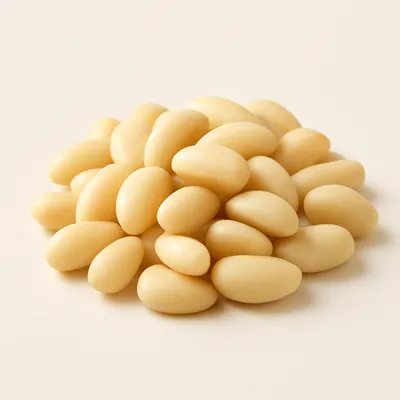


How it's made
6 steps · 30 min
- 12880 min
Submerge dried stockfish in cold water for 48 hours, refrigerated, changing the water twice daily to remove salt and rehydrate the fish fully.
- 230 min
Drain the stockfish; cut into large chunks and simmer in fresh unsalted water with a bay leaf for 20–25 minutes until just cooked through. Lift out, cool briefly, then remove all skin and bones and break the flesh into large, irregular flakes.
- 325 min
Boil potatoes in their skins in salted water until fully tender; drain, peel while hot, and cut into chunks.
- 45 min
Warm a generous amount of olive oil in a heavy cast-iron pan over medium heat. Add crushed garlic and let it perfume the oil for 1 minute. Add the stockfish flakes and potato chunks.
- 515 min
Raise heat to medium-high. Grasp the pan firmly and shake vigorously — jolt and toss the contents continuously for 10–15 minutes, adding olive oil in a slow, steady stream, until the mixture emulsifies into a creamy, slightly chunky mass.
Watch outShake the pan hard and add the oil in a slow steady thread — the vigorous jolting releases potato starch that emulsifies with the oil into a creamy mass; pour the oil in too fast and it breaks and pools.
- 65 min
Remove from heat. Fold in chopped flat-leaf parsley, toasted pine nuts, and the finely grated zest of one lemon. Taste and adjust salt. Serve warm, drizzled with a final thread of olive oil.


