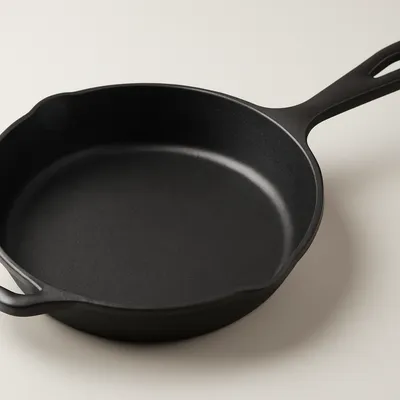
An ancient griddle «pasta» from the Lunigiana, the hilly borderland straddling southern Liguria and northern Tuscany around Pontremoli. A loose batter of flour, water and salt is poured onto a fiercely hot terracotta or cast-iron testo and cooked under a domed lid into a thin, spongy, crêpe-like sheet — the testarolo. The sheet is cut into diamonds or lozenges, dropped into boiling salted water off the heat and left only a minute or two to soften and swell, then drained and dressed. In Lunigiana the classic dressing is pesto, whose oil and cheese the porous lozenges soak up; olive oil with grated pecorino or Parmesan is the plainer everyday version.




Testaroli is a dish of the Lunigiana, named for the testo — the terracotta or cast-iron griddle-and-lid it is cooked on. It is frequently called the oldest pasta in Italy and is said to descend from the Neolithic-era practice of pouring grain porridge onto hot stones to set; an Etruscan or Roman ancestry is often claimed in popular accounts, but the early history is undocumented and these antiquity claims should be treated as tradition rather than established fact. What is certain is that the testo cooking method belongs to a very old central-Italian flatbread tradition (the same family as the chestnut-flour and wheat testi of the Apennines), and that testaroli survives as a proud local staple of Pontremoli and the surrounding valleys, where it is still cooked on glowing terracotta testi.
The cooked lozenge is soft and faintly spongy, with a slightly chewy, almost bready give rather than the smooth slip of egg pasta. Once boiled and dressed it is tender and a little slippery, the porous surface holding the pesto so each piece carries oil, basil, garlic and cheese. The flavour of the testarolo itself is mild and wheaty, a quiet base that lets the dressing lead. Good testaroli are thin and supple; thick or overcooked ones turn gummy and pasty, and a sheet boiled too long collapses into mush.
The testo must be screaming hot before the batter goes on: poured onto the hot floor and trapped under the heated dome, the thin batter sets almost at once, the trapped steam puffing it into its characteristic open, spongy crumb riddled with little holes — the same holes that later drink up the sauce. Because the sheet is already fully cooked on the griddle, the water stage is not really boiling pasta but a brief warming soak: the pot is pulled off the heat and the lozenges left a minute or two, just long enough to hydrate and soften without dissolving the loose, water-based dough. This is also why pesto suits it so well — the dressing is stirred through off the heat, and the cheese and oil cling to the spongy, absorbent surface instead of sliding off.
Variations
The two regional forms divide by the dressing: the Lunigiana classic with pesto genovese, and a plainer version dressed only with extra-virgin olive oil and grated pecorino or Parmesan, sometimes with garlic. The testarolo of Pontremoli is the best-known, cooked on terracotta testi; nearby it is also made on cast iron. The same testo cooking belongs to a wider Lunigiana family of griddle breads — the panigacci, smaller unleavened discs cooked between stacked terracotta testi and eaten with cold cuts and cheese, are a close cousin. Wholemeal and mixed-flour batters appear in rustic versions.
On the Palate
Where Testaroli sits in the Italian flavor cloud
Ingredients
Serves 4


How it's made
7 steps · 30 min
- 110 min
Whisk flour, water and a good pinch of salt into a smooth, pourable batter, a little thinner than pancake batter, and let it rest while the testo heats.
- 28 min
Heat the terracotta or cast-iron testo (base and domed lid) until very hot, wiping the base with a trace of oil.
Watch outHeat the testo screaming hot before the batter goes on — that instant set traps steam and puffs the open, spongy holes that later drink the sauce.
- 312 min
Pour a ladle of batter onto the hot base to spread thin, cover with the heated dome, and cook a couple of minutes until set and lightly spotted; lift out the sheet and repeat.
- 45 min
Stack the cooked testaroli and cut them into diamonds or lozenges roughly a few centimetres across.
- 510 min
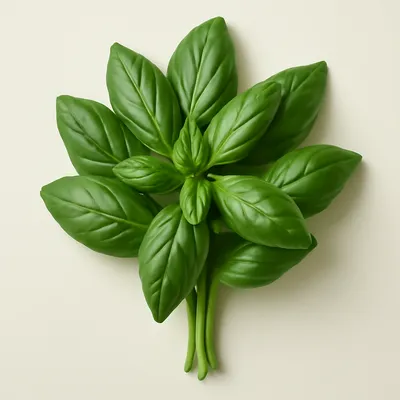
Make or have ready the pesto: pound or blend basil, garlic, pine nuts, pecorino and Parmesan with extra-virgin olive oil and salt.
- 63 min
Bring a wide pot of salted water to the boil, then take it off the heat and slip in the lozenges to soak for a minute or two until soft and hot.
Watch outTake the water off the heat before slipping the lozenges in — this is a warming soak, not a boil; a rolling pot dissolves the loose dough.
- 72 min
Drain gently, toss off the heat with the pesto (loosened with a spoon of the soaking water), and serve at once with extra grated cheese.
Archive tool suggestions — not reviewed
These legacy suggestions have not been evidence-reviewed and are not presented as required tools.