
Gnocchi alla bava is an alpine primo from Piedmont and the bordering Valle d'Aosta: soft potato gnocchi tossed off the heat with melted mountain cheese and butter until the cheese pulls into long, glossy threads. The classic cheeses are Fontina DOP from Valle d'Aosta and Toma Piemontese DOP, both prized for melting cleanly into a stringy, elastic mass rather than a stiff sauce. The dish takes its name from those threads — «bava» means «drool» in Italian — which trail off the fork as you lift each gnocchi. It is finished simply with butter and black pepper and served very hot, when the cheese is at its most molten. In the Canavese and the higher valleys it remains everyday mountain comfort food.
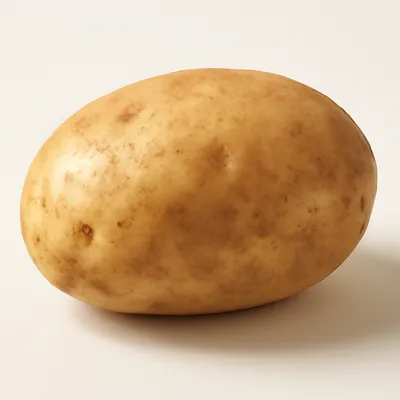




The dish belongs to the alpine peasant tradition of Piedmont and the adjoining Valle d'Aosta, where potatoes, butter and aged mountain cheese were pantry staples and the goal was a filling, warming meal. Cheese-and-gnocchi preparations in the Savoy-Piedmont sphere are documented in 19th-century cookery — the court cook Giovanni Vialardi recorded a Savoyard-style gnocchi dish in his 1854 manual — though the exact origin of the «alla bava» name is unrecorded. «Bava» literally means «drool» (from the imitative Latin baba); applied to the dish it describes the long, saliva-like threads the melting cheese forms. The two emblematic cheeses are both protected: Fontina DOP, the signature cheese of Valle d'Aosta whose very name derives from fonte («it melts»), and Toma Piemontese, granted DOP/PDO status in 1996; in Piedmont proper the gnocchi are often made with Toma, in Valle d'Aosta with Fontina.
The gnocchi are pillowy and yielding, almost dissolving against the tongue. Lift one on the fork and the cheese stretches with it into long elastic threads — the «bava» — that you have to twirl or snap. The melted Fontina is salty, nutty and faintly sweet, the butter rounds it, and a hard grind of black pepper cuts the richness. It arrives steaming hot and gluey in the best sense; let it cool and the threads thicken and the cheese begins to set, so it is eaten fast.
Two things have to go right. First the gnocchi: boiled potatoes are riced while warm and bound with just enough flour (and often an egg yolk) — worked with a light hand, because over-kneading develops gluten and makes them rubbery rather than tender. They are dropped into salted water and lifted the moment they bob to the surface. Then the cheese. Diced Fontina or Toma is a high-moisture, good-melting cheese: warmed gently with butter (and sometimes a splash of milk or cream), the casein protein matrix relaxes and softens at roughly 50-60°C while the fat and water stay dispersed within it, so the cheese flows and pulls into elastic strings — the bava — rather than seizing. The key is keeping the heat moderate and finishing largely off the flame; pushed too hot the emulsion breaks, the casein tightens into rubbery curd and the fat weeps out as oil. A little of the starchy gnocchi cooking water helps bind the cheese and butter into a smooth, glossy coating.
Variations
The defining choice is the cheese: Toma Piemontese in Piedmont, Fontina DOP across the border in Valle d'Aosta, with Raschera, Castelmagno or Biella's Maccagno also used; some cooks blend Fontina and Toma. Buckwheat gnocchi appear in some alpine versions, nodding to local grain. Beyond the tossed primo there are baked, layered versions finished in the oven for a browned top. The same melted-cheese principle drives the region's polenta concia, where alpine cheese and butter are stirred into hot polenta instead of gnocchi.
On the Palate
Where Gnocchi alla Bava sits in the Italian flavor cloud
Ingredients
Serves 4

How it's made
8 steps · 50 min active + 25 min waiting
- 140 min
Boil whole unpeeled potatoes (preferably a floury variety) until a knife slides through easily, about 35-40 minutes; drain, peel while hot, and pass through a ricer onto a clean surface.
- 28 min
While the potato is still warm, work in the flour and egg yolk with a light hand just until a soft, smooth dough forms — do not overwork it.
Watch outWork the flour and yolk into the warm potato with a light hand, just until it comes together — over-knead and the gluten develops, turning the gnocchi rubbery.
- 310 min
Roll the dough into ropes about as thick as a finger, cut into short pillows, and roll each lightly over a fork or gnocchi board to ridge them.
- 46 min
Dice the Fontina (and/or Toma), trimming any rind, and set aside; bring a wide pot of well-salted water to a gentle boil.
- 55 min
In a separate wide pan, melt the butter gently over low heat; add the diced cheese with a splash of the starchy cooking water and stir as it begins to soften.
- 68 min
Cook the gnocchi in batches, lifting each out with a slotted spoon the moment it floats to the surface, and add directly to the cheese pan.
Watch outLift each gnoccho out the instant it bobs to the surface — leave them and they waterlog and fall apart.
- 74 min
Toss the gnocchi off or near the heat until the cheese melts and pulls into long elastic threads, loosening with more cooking water if needed.
Watch outToss the cheese off or near the heat until it pulls into long elastic threads — let it get too hot and the fat splits out into an oily, grainy sauce.
- 82 min
Finish with a generous grind of black pepper, plate immediately, and serve very hot while the cheese is still molten and stringy.
Archive tool suggestions — not reviewed
These legacy suggestions have not been evidence-reviewed and are not presented as required tools.


