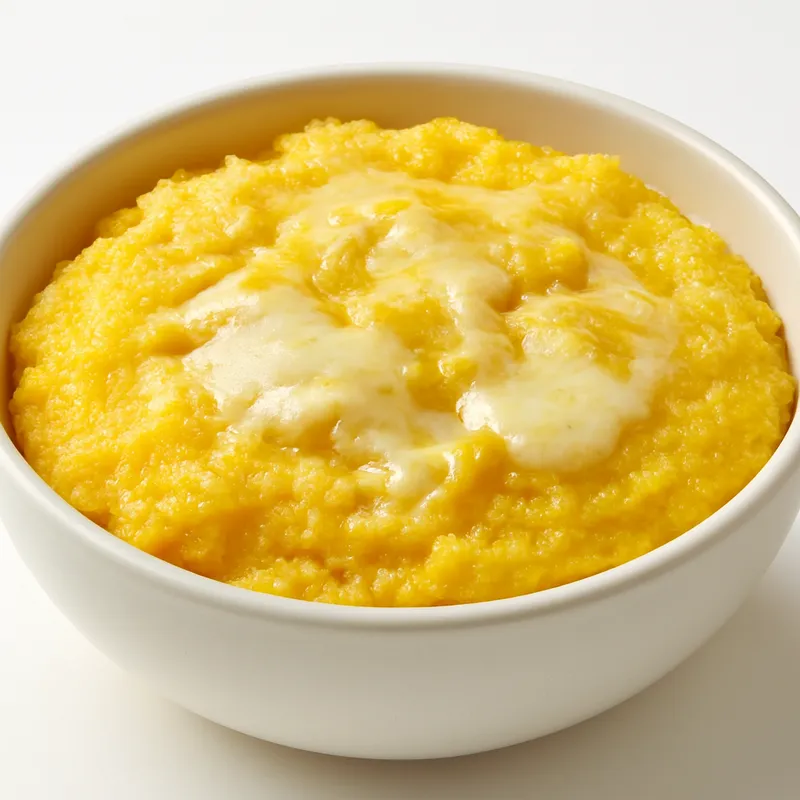
A Palermo winter classic of bucatini dressed with cauliflower mashed into a sweet-savoury cream. The green cauliflower Sicilians call broccolo is boiled, then stirred and crushed in the pan, the step called arriminata, with softened onion, anchovies, soaked raisins, pine nuts and saffron until it collapses into a rustic sauce. The pasta cooks in the cauliflower's own coloured water and is tossed through, then finished with toasted breadcrumbs, muddica atturrata, in place of cheese. Sweet, salty, faintly bitter and spiced, it is one of the clearest tastes of Arab Sicily on the modern table.


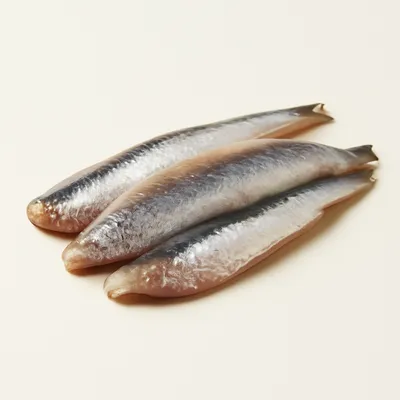
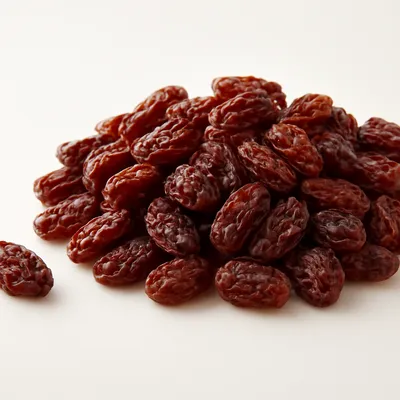
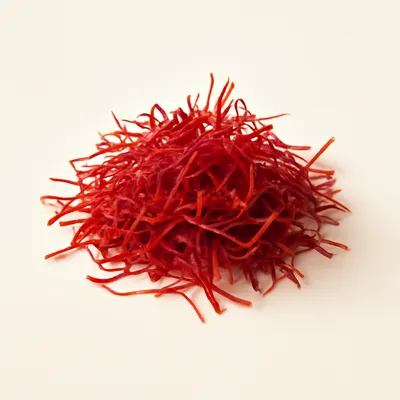

The dish belongs to Palermo and to the Sicilian winter, when the green cauliflower the island calls broccolo is in season from October to April. Its defining seasonings, saffron, raisins and pine nuts, sweet against the salt of the anchovy, are the legacy of Arab Sicily, the two and a half centuries from 827 to 1091 when the island was ruled as an Emirate and its cooks brought sugar, citrus, saffron and dried fruit into the local kitchen. The word arriminati is Palermitan dialect for 'stirred', the long mashing of the cauliflower in the pan. Traditionally a Lenten and winter dish eaten meat-free, it is finished with toasted breadcrumbs from the days when cheese was a luxury the poor did without.
The sauce is soft and creamy, the cauliflower cooked to the point of collapse, and it tastes of sweet golden onion and saffron laced with the deep savour of dissolved anchovy. Raisins give sudden bursts of sweetness, pine nuts a buttery bite, and the toasted breadcrumbs a nutty crunch over the top. It is a warming, layered plate, sweet and salty at once.
Two things build the sauce. Boiling the cauliflower first breaks down its cell walls and pectin so that the long stirring, the arriminata, mashes it into a creamy puree that coats the pasta; cooking the pasta afterwards in that same water dyes it gold with saffron and seasons it from within. The anchovies are melted into the warm oil, where gentle heat breaks their salt-cured proteins down into free glutamates, the source of the dish's deep savoury undertone, without any fishiness. Saffron is steeped in warm water first to dissolve its water-soluble crocin, which carries both the colour and the aroma. The sweetness of the raisins against the salt of the anchovy is a true agrodolce balance, and the breadcrumbs are toasted to trigger Maillard browning, giving a crunch and a nutty note that stands in for grated cheese.
Variations
Every Palermo family cooks it slightly differently. Some drop the anchovy for a vegetarian plate or add a spoon of tomato concentrate for colour; others enrich it with sausage. The pasta of choice is bucatini or maccheroncini, though short shapes such as anelletti appear, and the finished dish is sometimes baked, infornata, into a crusted timballo. Green sprouting broccoli, called sparacelli in Palermo, can stand in for the cauliflower, and like many such dishes it is often said to taste even better reheated the next day.
On the Palate
Where Pasta chi Vruoccoli Arriminati sits in the Italian flavor cloud
Ingredients
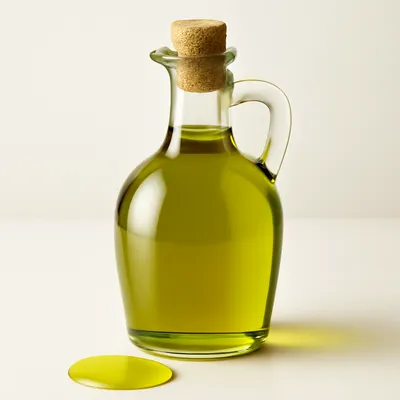
Serves 4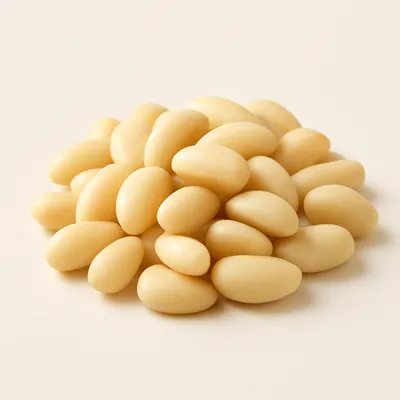

How it's made
8 steps · 20 min
- 115 min
Soak the raisins in warm water and steep the saffron in a little warm water separately; toast the breadcrumbs in a dry pan with a drop of oil until golden, then set aside.
- 215 min
Break the cauliflower into florets and boil in salted water until tender; lift out and keep the cooking water in the pot.
- 312 min
In a wide pan, soften the sliced onion in olive oil over low heat until sweet and golden.
- 44 min
Add the anchovies and stir until they melt into the oil, then add the drained raisins and the pine nuts.
Watch outStir the anchovies until they melt right into the oil — no fillet shape left, so they read as deep savour, not fish.
- 520 min
Add the boiled cauliflower and the saffron water, and stir and crush it against the pan until it collapses into a soft, creamy sauce, loosening with ladles of the cooking water.
Watch outCrush the boiled cauliflower against the pan as you stir until it collapses into a creamy sauce — that mashing, the arriminata, is what makes it coat the pasta.
- 610 min
Bring the reserved cauliflower water back to the boil and cook the bucatini in it until al dente.
Watch outCook the bucatini in the saved cauliflower water — it dyes the pasta gold with saffron and seasons it from the inside.
- 73 min
Drain the pasta and toss it thoroughly through the cauliflower sauce over the heat until well coated.
- 82 min
Serve hot, showered with the toasted breadcrumbs.