
Muset e brovade is the iconic winter plate of Friuli, eaten across the region from the depths of autumn through Carnival. Muset (musetto) is a fresh pork sausage in the cotechino family, built on the snout — muso, which gives it its name — along with rind, lard and tender trimmings, seasoned with cinnamon, nutmeg, pepper and cloves, then boiled slowly until soft and gelatinous. It is served sliced over brovade (brovada), red turnips that have been macerated for about a month in fermenting grape marc, then drained, grated and stewed with oil, bay and a little of the same pork. The dish sits squarely on the old Austro-Slovene-Italian crossroads of Friuli, frugal field-and-slaughter food turned into the regional standard for cold-weather feasts and the feast of Sant'Antonio Abate on 17 January. The fermented turnip itself, served alone as a side, is its own protected preparation; here it is the bed for the sausage.

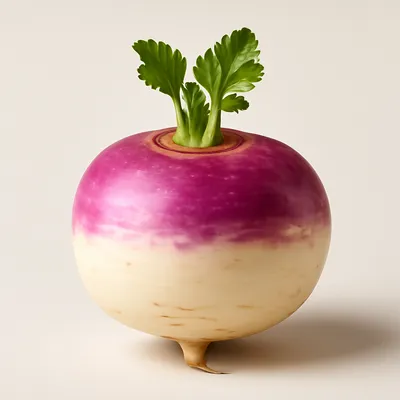


Both halves of the plate are products of the Friulian cold-weather economy, where preserving the autumn — the pig at slaughter and the turnip from the field — was the difference between eating and not eating through winter. Muset is the local cotechino: a way of using the snout, rind and lesser cuts that nothing be wasted on slaughter day, recorded in nineteenth-century Friulian and Veneto agricultural writing and still celebrated by the Confraternita del Musetto on Sant'Antonio Abate, 17 January. Brovada is older and stranger, a lactic ferment of red turnips buried in the marc left from pressing black grapes — a marriage of the region's vineyards and its kitchen gardens; it carries Italy's PAT (traditional food product) listing and was registered as a European protected designation of origin, generally dated to 2011, the only fermented vegetable in Italy to hold such a mark. The pairing belongs to no single town or cook; it is the shared table of a borderland that was for centuries part of the Habsburg world, where Italian, Slovenian and Austrian foodways overlapped and where smoke, cure and ferment were the grammar of winter eating.
The sausage comes to the plate soft and faintly wobbling, the rind and snout broken down to a gelatinous, lip-sticking richness, the spices reading sweet and warm rather than sharp. Against it the brovade is the whole point of contrast: pale gold to violet shreds, sour and savoury, with a clean acidic bite and a faint winey funk from the marc that cuts straight through the fat. The turnip keeps a slight grain and chew even after stewing, so each forkful sets the unctuous, collagen-heavy meat against something tart, mineral and alive. Hot from the pot it is hearty and round; the contrast of fat and ferment is what keeps it from feeling heavy.
Two slow biological processes do the heavy lifting before any heat is applied. Brovade is a lactic fermentation: lactic-acid bacteria, working in the oxygen-poor, sugar-rich grape marc, convert the turnip's sugars to lactic acid, which drops the pH, preserves the root and builds the sour backbone, while the marc adds tannin, residual alcohol and that vinous edge. Muset is bound by curing and cooking: salt and spice season the snout-and-rind mince while it rests, then a long, gentle boil — kept to a tremble, never a hard rolling boil — converts the abundant collagen of rind and snout into gelatin, which is what gives the sausage its soft, gluey, melting body; a violent boil would render and split the fat and burst the casing. Stewing the grated brovade in a little oil and pork fat with bay rounds the acid and lets the turnip soak up savour. On the plate, the meat's gelatin and fat coat the palate while the turnip's acid and the marc's alcohol-borne aromatics cut and lift it — a deliberate fat-versus-acid balance that is the logic of the whole regional table.
Variations
The meat side flexes most: where muset is scarce, cooks use cotechino, a piece of smoked pork rib or shoulder, or pork rind and trotter, and in lean kitchens the brovade is stewed with little more than oil and a soffritto. The brovade itself splits old from new — the slow marc ferment versus quicker versions soured with vinegar, which connoisseurs consider lesser — and is judged by how clean and winey, rather than merely sour, it tastes. Some cooks finish the stew with a spoon of the cooking marc or a little white wine; others keep it austere. Beyond the plate, the same two elements anchor the Friulian winter table: muset turns up boiled with mashed potato and horseradish, while brovade reappears as the older, Friulian base of jota in place of sauerkraut.
On the Palate
Where Muset e Brovade sits in the Italian flavor cloud
Ingredients
Serves 4
How it's made
8 steps · 40 min
- 10 min
If starting from raw turnips, layer red turnips with drained black-grape marc and salt in a crock, weight them under the acidic liquid, and let them ferment cool for about a month until sour and tender.
- 215 min
Lift the brovade from the marc, rinse, peel any tough skin, and grate it on the coarse side of a grater; squeeze out excess liquid.
- 35 min
Prick the muset all over with a needle so it will not burst, and set it in cold water to cover.
Watch outPrick the muset all over with a needle before poaching — an unpricked casing bursts and spills the sausage as the collagen swells.
- 4120 min
Bring the muset to a bare simmer and poach it gently for about two hours, keeping the water at a tremble and never a hard boil, topping up as needed.
Watch outKeep the water at a tremble, never a hard boil — a rolling boil bursts the casing and toughens the meat before the collagen turns to gelatin.
- 540 min
Meanwhile soften a little chopped onion in oil with a bay leaf, add the grated brovade and a ladle of the sausage water, and stew it slowly until tender and rounded.
- 65 min
Taste the brovade; it should be sour and savoury but clean, with no raw harshness, adjusting with a splash of white wine or a spoon of marc if you like.
- 75 min
Lift out the muset, let it settle a few minutes, then slice it thick.
- 85 min
Bed the hot brovade on warm plates, lay the sliced muset over it, and serve at once, with soft polenta alongside if wished.
Archive tool suggestions — not reviewed
These legacy suggestions have not been evidence-reviewed and are not presented as required tools.


