Hollow hand-rolled pasta of durum semolina and water, formed by pressing and rolling small dough pieces around a thin rod—traditionally a hollow rush stem called sa busa, now typically a knitting needle or umbrella ferrule—yielding a thick-walled tube similar to bucatini; the pastoral pasta of Barbagia and Campidano, paired with hearty lamb, sausage, or veal ragù and aged pecorino sardo.




Maccarrones de busa—also known as maccarrones de ferritu—are rooted in the pastoral interior of Barbagia, Sardinia's mountainous heart, and spread widely into the Campidano plain. The name busa refers to the hollow rush stem (sa busa, the hollow cane) that shepherds and home cooks once used as the shaping rod; modern practice substitutes a size-3 knitting needle or the metal ferrule of an umbrella, which the Sardinian name ferritu records. The pasta belongs to the same ancient Mediterranean rod-rolled tradition as the busiata of western Sicily (Trapani), sharing an identical shaping technique that suggests either parallel evolution within a common pasta culture or transmission across the sea routes long connecting Sardinia and mainland Italy. Like many interior Sardinian pastas, maccarrones de busa arose from the island's pastoral economy: a minimal recipe—durum semolina, water, salt—produced a sturdy, filling pasta capable of holding the thick meat sauces rendered from the flock.
A satisfying chew with substance but no heaviness: the thick durum semolina walls yield with firm resistance, while the hollow center collapses gently under the teeth, releasing trapped ragù in a burst of concentrated flavor. The hand-rolled surface is slightly rough, catching every drop of the fat-rich pecorino-dusted sauce.
Rolling dough around a thin rod aligns gluten strands circumferentially, creating tube walls with a directionality distinct from extruded pasta—the gluten fibers run both parallel to the tube's length and around its circumference, yielding a cohesive, non-crumbly bite that holds its shape through saucing and serving. During boiling, water penetrates from both the outer surface and the hollow interior simultaneously, reducing cook time relative to a solid pasta of similar wall thickness; starch gelatinization (60–70°C) sets the structure while residual gluten elasticity maintains the tube form. The hollow geometry traps sauce inside during plating; the hand-rolled rough outer surface—unlike smooth extruded pasta—creates micro-valleys that hold additional sauce, maximizing contact between pasta and the fat-rich, collagen-laden meat ragù.
Variations
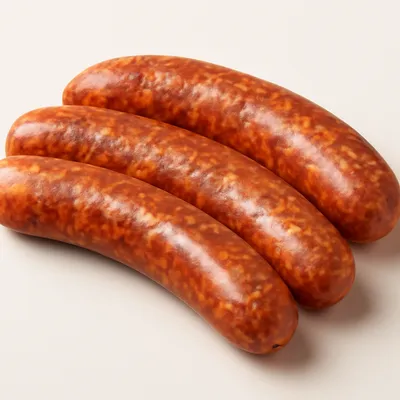
Barbagia mountain style: slow-braised lamb shoulder with rosemary and pecorino. Campidanese style: pork sausage and tomato ragù with a pinch of saffron and aged pecorino. Also paired with wild boar ragù or sautéed fresh mushrooms with garlic and parsley.
On the Palate
Where Maccarrones de Busa sits in the Italian flavor cloud
Ingredients
Serves 4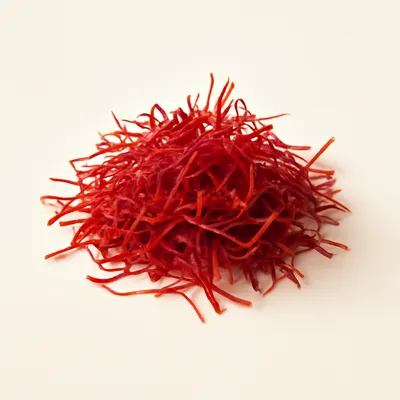

How it's made
6 steps · 1 hour 30 min active + 30 min waiting
- 140 min
Mix 300g durum wheat semolina with a pinch of salt; add warm water gradually (about 120ml) and knead for 10 minutes until the dough is smooth and firm. Wrap in a cloth and rest 30 minutes.
- 210 min
Pinch off a small piece of rested dough (about 10g) and roll it into a rope slightly thicker than the knitting needle.
- 330 min
Press one end of the rope against the needle. Apply gentle palm pressure and roll the needle back and forth on the work surface, stretching the dough into a thin hollow tube around the rod. Slide the tube off carefully. Repeat until all dough is shaped.
Watch outRoll the dough thin around the rod and press the seam — the walls need to be even; a thick patch stays chewy-raw at the centre while the rest cooks through.
- 430 min
Place formed tubes on a semolina-dusted surface and allow to dry at room temperature for 30 minutes before cooking (or leave to dry fully for 24 hours if storing).
- 530 min
Make the ragù: sauté sausage pieces and onion in olive oil over medium heat until the sausage is browned. Dissolve a pinch of saffron in 2 tbsp warm water and add to the pan along with tomato passata. Simmer uncovered for 25–30 minutes until the sauce thickens.
Watch outBloom the saffron in warm water first, then build the ragù — simmer uncovered 25–30 minutes until it thickens and the colour deepens; watery sauce won't cling to the tubes.
- 610 min
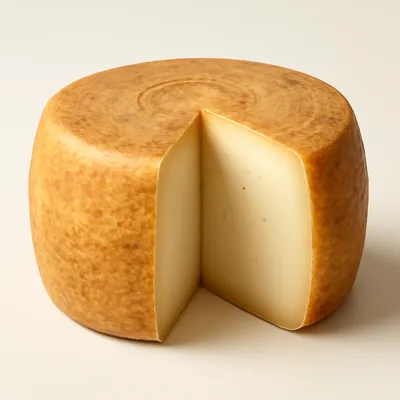
Cook maccarrones in well-salted boiling water for 8–10 minutes until al dente; drain and toss with the ragù. Serve topped with freshly grated aged pecorino sardo.
Watch outPull the maccarrones at al dente, 8–10 minutes — they keep softening in the hot ragù, so a touch firm off the water lands just right in the bowl.
Archive tool suggestions — not reviewed
These legacy suggestions have not been evidence-reviewed and are not presented as required tools.